
Is Your Mustard Oil Pure? Easy Ways to Detect Adulteration at Home

Mustard oil is a beloved kitchen staple in millions of Indian homes, treasured for its pungent aroma, sharp flavour, and versatility in cooking - from tadkas and curries to pickles and marinades. But a growing concern is making many rethink what’s in that familiar bottle: mustard oil adulteration . Recent studies and food safety alerts suggest that adulterated mustard oil has quietly made its way into crores of Indian kitchens , putting taste, nutrition, and health at risk. Knowing how to check your mustard oil for purity has never been more important.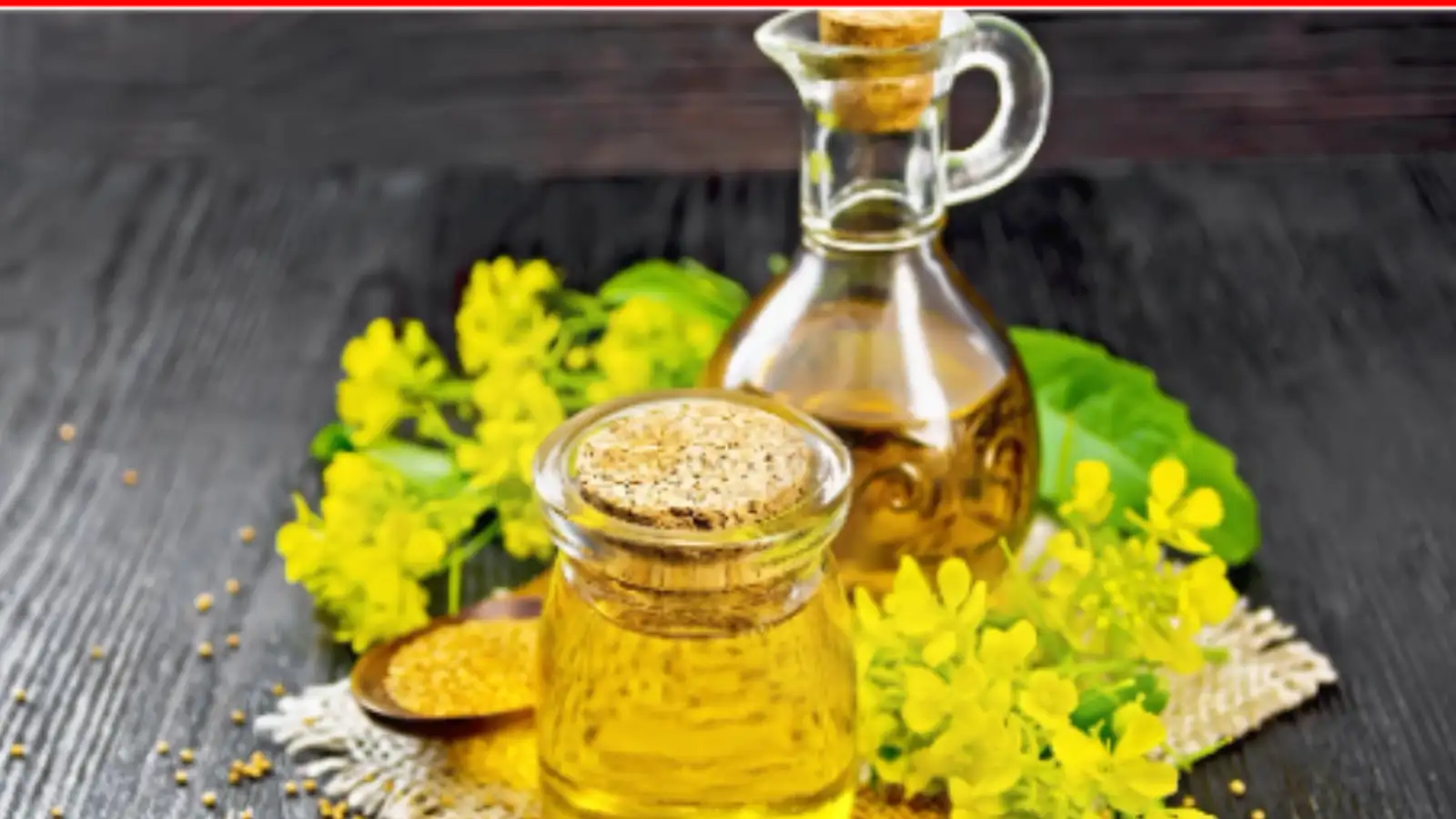
Why Mustard Oil Adulteration Is a Growing Concern
Pure mustard oil offers unique nutritional benefits, including healthy fats, antioxidants, and compounds that support heart health. However, adulteration - often involving cheaper vegetable oils, synthetic additives, or even non-edible oils - can alter its flavour, texture, and nutritional value.
Subtle changes may not always be noticeable at first, but repeated consumption of adulterated oil can pose long-term health risks such as digestive issues, inflammation, or metabolic strain. The characteristic sharpness and pungency of pure mustard oil are not just for taste - they are indicators of its authenticity. A dull aroma, muted flavour, or unusual texture can all be red flags.
How to Detect Mustard Oil Adulteration in 2 Minutes
Fortunately, there’s a simple home test that can quickly help you identify potential adulteration: the fridge test. You don’t need any equipment, and it only takes 1–2 hours.
While this test is not scientific, it serves as an immediate alert, allowing you to take caution before using the oil in cooking.
Other Signs to Identify Adulterated Mustard Oil
Apart from quick home tests, your senses can provide strong clues about oil quality. Here’s what to look for:
Consumers are increasingly seeking cold-pressed oils, smaller-batch producers, and traceable sourcing. These products often maintain better quality and purity, giving peace of mind in addition to flavour.
Why Choosing Pure Mustard Oil Matters
The importance of pure mustard oil goes beyond taste. Adulterated oils can affect your health silently over time. Opting for authentic mustard oil ensures that:
Being mindful of your cooking oil choices is part of a larger movement towards food transparency. In kitchens that are becoming increasingly ingredient-aware, the purity of mustard oil has become just as critical as the ingredients themselves.
Tips to Ensure Mustard Oil Purity
Don’t Ignore Mustard Oil Adulteration
Mustard oil is a staple that deserves careful attention. A simple 2-minute fridge test, awareness of sensory cues, and choosing trusted sources can help protect your family from adulterated oils. With food safety increasingly in focus, taking small precautions in your kitchen today can prevent significant health risks tomorrow.
Remember, what you don’t notice in your everyday cooking can sometimes matter the most. Make purity a priority - because real mustard oil isn’t just about flavour; it’s about health, safety, and trust in what you consume.
Why Mustard Oil Adulteration Is a Growing Concern
Pure mustard oil offers unique nutritional benefits, including healthy fats, antioxidants, and compounds that support heart health. However, adulteration - often involving cheaper vegetable oils, synthetic additives, or even non-edible oils - can alter its flavour, texture, and nutritional value.
Subtle changes may not always be noticeable at first, but repeated consumption of adulterated oil can pose long-term health risks such as digestive issues, inflammation, or metabolic strain. The characteristic sharpness and pungency of pure mustard oil are not just for taste - they are indicators of its authenticity. A dull aroma, muted flavour, or unusual texture can all be red flags.
How to Detect Mustard Oil Adulteration in 2 Minutes
Fortunately, there’s a simple home test that can quickly help you identify potential adulteration: the fridge test. You don’t need any equipment, and it only takes 1–2 hours.
- Pour a small amount of mustard oil into a clean, transparent glass bowl.
- Place it in your refrigerator for 1–2 hours.
- Observe the oil: pure mustard oil usually stays uniform and clear. If you notice cloudiness, separation, or solidified layers, it could indicate the presence of cheaper or non-pure oils.
While this test is not scientific, it serves as an immediate alert, allowing you to take caution before using the oil in cooking.
Other Signs to Identify Adulterated Mustard Oil
Apart from quick home tests, your senses can provide strong clues about oil quality. Here’s what to look for:
- Aroma: Pure mustard oil has a pungent, sharp smell. A weak or muted scent may indicate dilution.
- Colour: Authentic mustard oil ranges from golden yellow to deep amber. Very pale or unusually bright oils should raise suspicion.
- Texture: Mustard oil should feel consistent, not overly thin or greasy. Irregular viscosity may suggest the presence of other oils.
- Packaging and Labels: Trusted brands, proper labelling, FSSAI certification marks, and sealed packaging are additional signs of authenticity.
Consumers are increasingly seeking cold-pressed oils, smaller-batch producers, and traceable sourcing. These products often maintain better quality and purity, giving peace of mind in addition to flavour.
Why Choosing Pure Mustard Oil Matters
The importance of pure mustard oil goes beyond taste. Adulterated oils can affect your health silently over time. Opting for authentic mustard oil ensures that:
- You get the nutritional benefits of healthy fats and antioxidants.
- Your dishes retain the rich, sharp flavour traditional recipes demand.
- You reduce exposure to harmful synthetic additives or cheap oils.
Being mindful of your cooking oil choices is part of a larger movement towards food transparency. In kitchens that are becoming increasingly ingredient-aware, the purity of mustard oil has become just as critical as the ingredients themselves.
Tips to Ensure Mustard Oil Purity
- Buy from reputable brands or verified local producers.
- Prefer cold-pressed mustard oil for better quality.
- Check for FSSAI or other certification marks on packaging.
- Store oil in airtight containers away from direct sunlight to maintain freshness.
- Conduct the fridge test and trust your senses before using the oil in cooking.
Don’t Ignore Mustard Oil Adulteration
Mustard oil is a staple that deserves careful attention. A simple 2-minute fridge test, awareness of sensory cues, and choosing trusted sources can help protect your family from adulterated oils. With food safety increasingly in focus, taking small precautions in your kitchen today can prevent significant health risks tomorrow.
Remember, what you don’t notice in your everyday cooking can sometimes matter the most. Make purity a priority - because real mustard oil isn’t just about flavour; it’s about health, safety, and trust in what you consume.
Next Story