
Is Your Refrigerator Cluttered? Simple Cleaning and Organisation Tips to Make Everyday Food Storage Easier

A refrigerator is easier to use when ingredients are visible, shelves are clean and older items are not hidden behind new purchases. Regular attention can also help you notice spills, damaged packaging and food that needs using soon. Cleaning does not need to mean emptying the entire appliance every few days; a small routine is often more manageable. Before starting, check the manufacturer's instructions and plan where chilled food can be kept safely while you work. A tidy fridge should support safe storage and meal planning, not simply look organised for a photograph.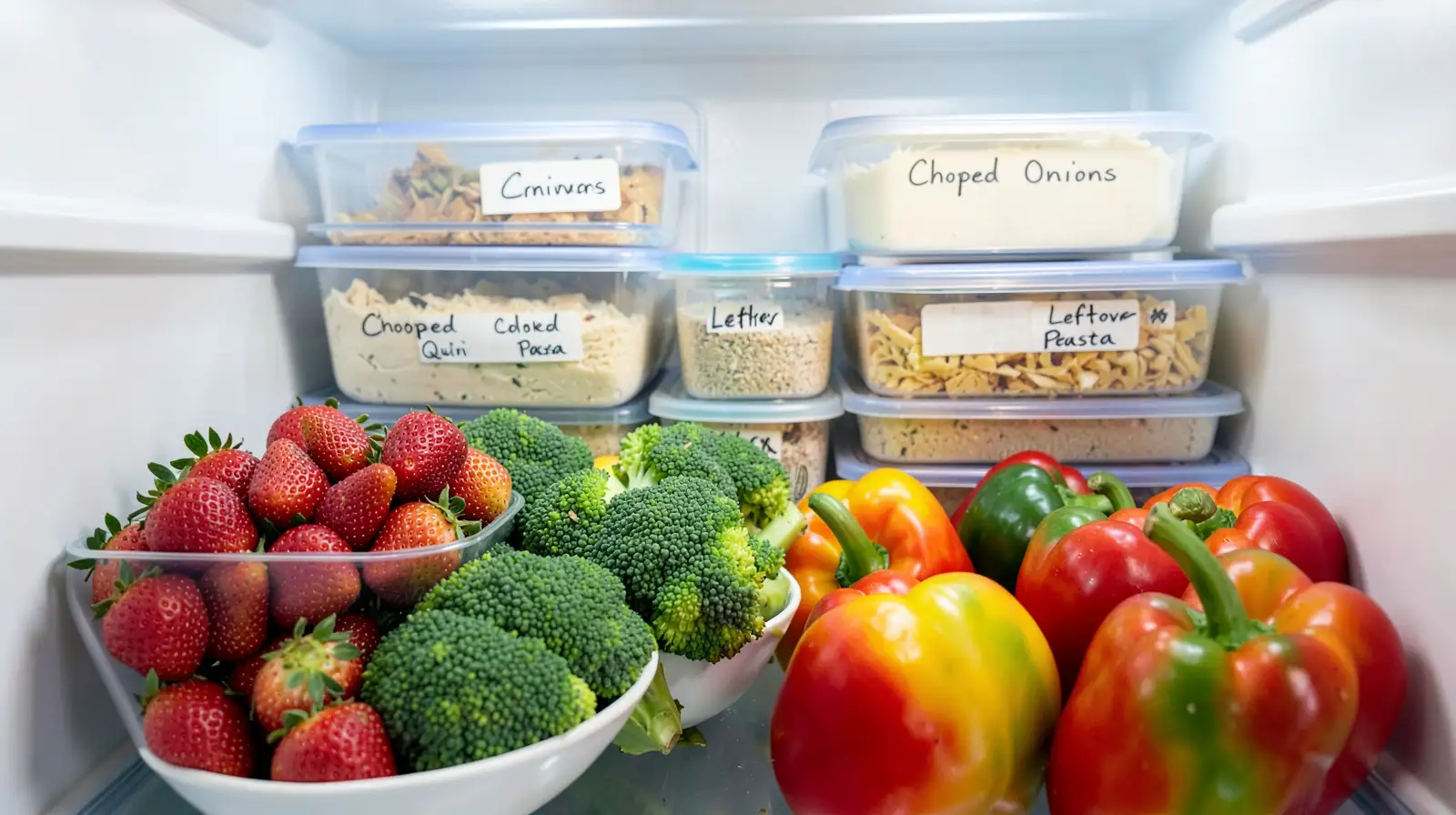
Work in small sections to avoid waste.
Switch off the appliance only if the manufacturer's instructions recommend it for the cleaning task. Remove shelves or drawers carefully and check the manual before attempting to detach parts that may be fixed in place.
Wipe spills as soon as practical rather than allowing sticky patches to accumulate. Inspect door seals for crumbs and residue, using a soft cloth to clean accessible areas. Avoid sharp tools that could damage the seals or interior lining.
Do not mix household cleaning products. Combining chemicals can produce dangerous reactions, and strong products may leave residues in areas used to store food. If you use a commercial refrigerator cleaner, follow the label instructions carefully.
Place older suitable items where they are easy to notice so you can consider using them first. This does not mean eating food beyond safe storage limits; check the relevant guidance and discard anything that may be unsafe. Keep an eye on fresh produce because different fruits and vegetables have different storage needs.
If the refrigerator is not cooling properly, develops persistent unusual odours despite cleaning or shows signs of a fault, consult the manufacturer's guidance or a qualified technician. Cleaning can improve hygiene and organisation, but it cannot fix every mechanical problem.
Work in small sections to avoid waste.
Prepare before cleaning
Check what is inside the refrigerator and identify items that need attention. Keep perishable food at a safe temperature while cleaning, using a suitable cool box or another properly chilled storage option if necessary. Avoid leaving chilled food out for extended periods.Switch off the appliance only if the manufacturer's instructions recommend it for the cleaning task. Remove shelves or drawers carefully and check the manual before attempting to detach parts that may be fixed in place.
Clean shelves, drawers and seals
Use a suitable cleaning method recommended by the manufacturer. Warm water and a mild cleaning solution may be appropriate for many removable surfaces, but check the instructions for your particular appliance. Rinse away any cleaning residue and dry surfaces before replacing the parts.You may also like
- 'This is not the India I remember': Foreign traveller compares road trips after 17 years, praises smoother highways, clean washrooms and coffee stops
- Folk and classical traditions unite at Navratri show
- Why Cellulite Creams May Never Reach the Real Problem
- Gardening Tips: 10 Vertical Botanical Decor Ideas To Bring Nature Into Small Apartments
- Japan once let women rent a handsome man to cry with when life got too stressed; the unusual 'handsome weeping boys' that made headlines
Wipe spills as soon as practical rather than allowing sticky patches to accumulate. Inspect door seals for crumbs and residue, using a soft cloth to clean accessible areas. Avoid sharp tools that could damage the seals or interior lining.
Do not mix household cleaning products. Combining chemicals can produce dangerous reactions, and strong products may leave residues in areas used to store food. If you use a commercial refrigerator cleaner, follow the label instructions carefully.
Arrange food for easier access
Keep food in suitable, covered containers where appropriate, and separate raw ingredients from ready-to-eat items to reduce the risk of cross-contamination. Follow package storage instructions and keep the refrigerator at a safe temperature, generally 5°C or below.Place older suitable items where they are easy to notice so you can consider using them first. This does not mean eating food beyond safe storage limits; check the relevant guidance and discard anything that may be unsafe. Keep an eye on fresh produce because different fruits and vegetables have different storage needs.
Maintain a simple routine
A brief weekly check can help you notice spills, nearly empty containers and ingredients that need using. Wipe small messes promptly and review what is available before shopping. These habits may reduce forgotten purchases and make meal planning more straightforward.If the refrigerator is not cooling properly, develops persistent unusual odours despite cleaning or shows signs of a fault, consult the manufacturer's guidance or a qualified technician. Cleaning can improve hygiene and organisation, but it cannot fix every mechanical problem.






Loving Newspoint? Download the app now
