
Is Your Watermelon Real? 5 Simple Ways to Identify Adulteration at Home

Watermelons are the ultimate summer staple - sweet, juicy, and refreshingly hydrating. Packed with essential vitamins and antioxidants, they’re a delicious way to beat the heat. But as demand rises with the temperature, so does the risk of adulterated or chemically ripened fruits hitting the market.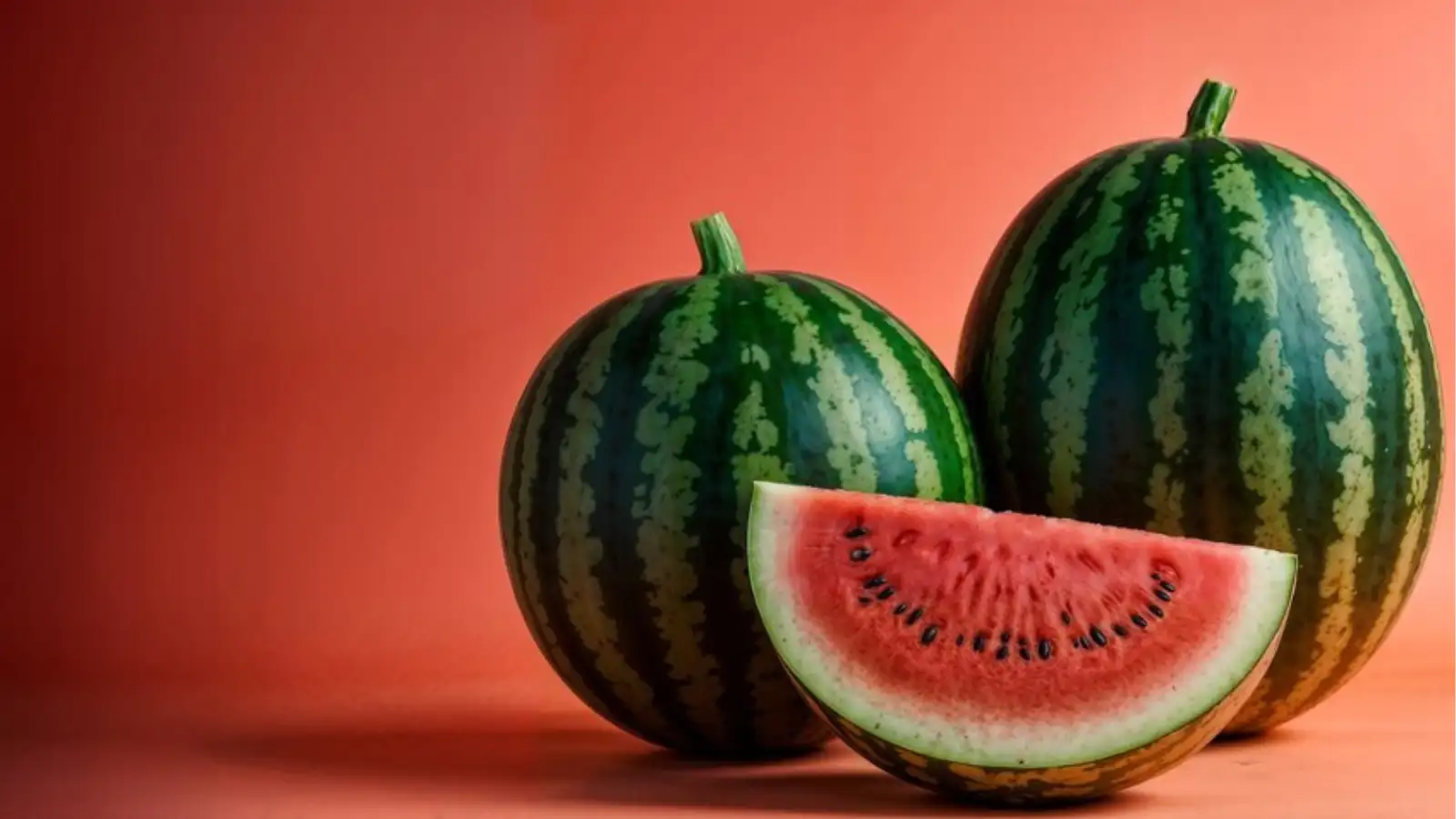
Don’t worry - you don’t need a lab to spot the difference. Here are five easy tricks to check if your watermelon is safe and natural, right from the comfort of your home.
1. Check the Skin's Shade and Shine
Genuine watermelons sport a consistent dark green color with well-defined stripes or patches. If it looks overly glossy or unusually bright, it could have been waxed or painted to fake freshness.
2. Find the Field Spot
Flip the watermelon and look for a creamy yellow or orange patch—that’s where it rested on the ground while ripening. A deep yellow mark suggests natural ripening, while a white or missing spot could signal early harvesting or chemical treatment.
3. Do the Tap Test
Give the watermelon a gentle tap. A naturally ripe one will respond with a deep, hollow sound. If it sounds dull or flat, the fruit might be overripe or tampered with.
4. Inspect for Cracks or Punctures
Look closely around the stem or bottom for tiny holes or cracks. These could be signs of injection with artificial sweeteners or ripening agents - a definite red flag.
5. Try the Water Test
Drop a small piece of the red flesh into a glass of water. If the water turns pink or red almost instantly, your watermelon may have been dyed with harmful synthetic colors.
Stay Safe, Stay Smart
Enjoying fresh watermelon should be worry-free. Use these quick checks before digging in to ensure you and your family are enjoying fruit that’s as real and healthy as it looks.
Don’t worry - you don’t need a lab to spot the difference. Here are five easy tricks to check if your watermelon is safe and natural, right from the comfort of your home.
1. Check the Skin's Shade and Shine
Genuine watermelons sport a consistent dark green color with well-defined stripes or patches. If it looks overly glossy or unusually bright, it could have been waxed or painted to fake freshness.
You may also like
- Oats and green vegetables help in weight loss by controlling appetite
- What Happens When You Eat 1 Pomegranate Daily, 6 Powerful Health Benefits
- Taking Medicines After Drinking Alcohol, Top Doctors Warn of Deadly Liver and Heart Risks
- Can Protein Shakes Alone Build Muscle, Bust Superfood Myths and Expensive Fitness Fads
- This country is paying people to read books for 15 minutes: Here's how the scheme works and why it was launched
2. Find the Field Spot
Flip the watermelon and look for a creamy yellow or orange patch—that’s where it rested on the ground while ripening. A deep yellow mark suggests natural ripening, while a white or missing spot could signal early harvesting or chemical treatment.
3. Do the Tap Test
Give the watermelon a gentle tap. A naturally ripe one will respond with a deep, hollow sound. If it sounds dull or flat, the fruit might be overripe or tampered with.
4. Inspect for Cracks or Punctures
Look closely around the stem or bottom for tiny holes or cracks. These could be signs of injection with artificial sweeteners or ripening agents - a definite red flag.
5. Try the Water Test
Drop a small piece of the red flesh into a glass of water. If the water turns pink or red almost instantly, your watermelon may have been dyed with harmful synthetic colors.
Stay Safe, Stay Smart
Enjoying fresh watermelon should be worry-free. Use these quick checks before digging in to ensure you and your family are enjoying fruit that’s as real and healthy as it looks.






Loving Newspoint? Download the app now
