
Is Your Watermelon Real? Simple Home Tests to Detect Adulteration

Watermelon is the ultimate summer refreshment—juicy, sweet, and packed with hydration. But as demand soars, so does the risk of adulteration. From synthetic dyes to chemical ripeners, some watermelons are tampered with to enhance appearance or ripeness, posing serious health risks. The good news? You don’t need a lab to spot a fake. Here are simple home tests to help you determine if your watermelon is the real deal.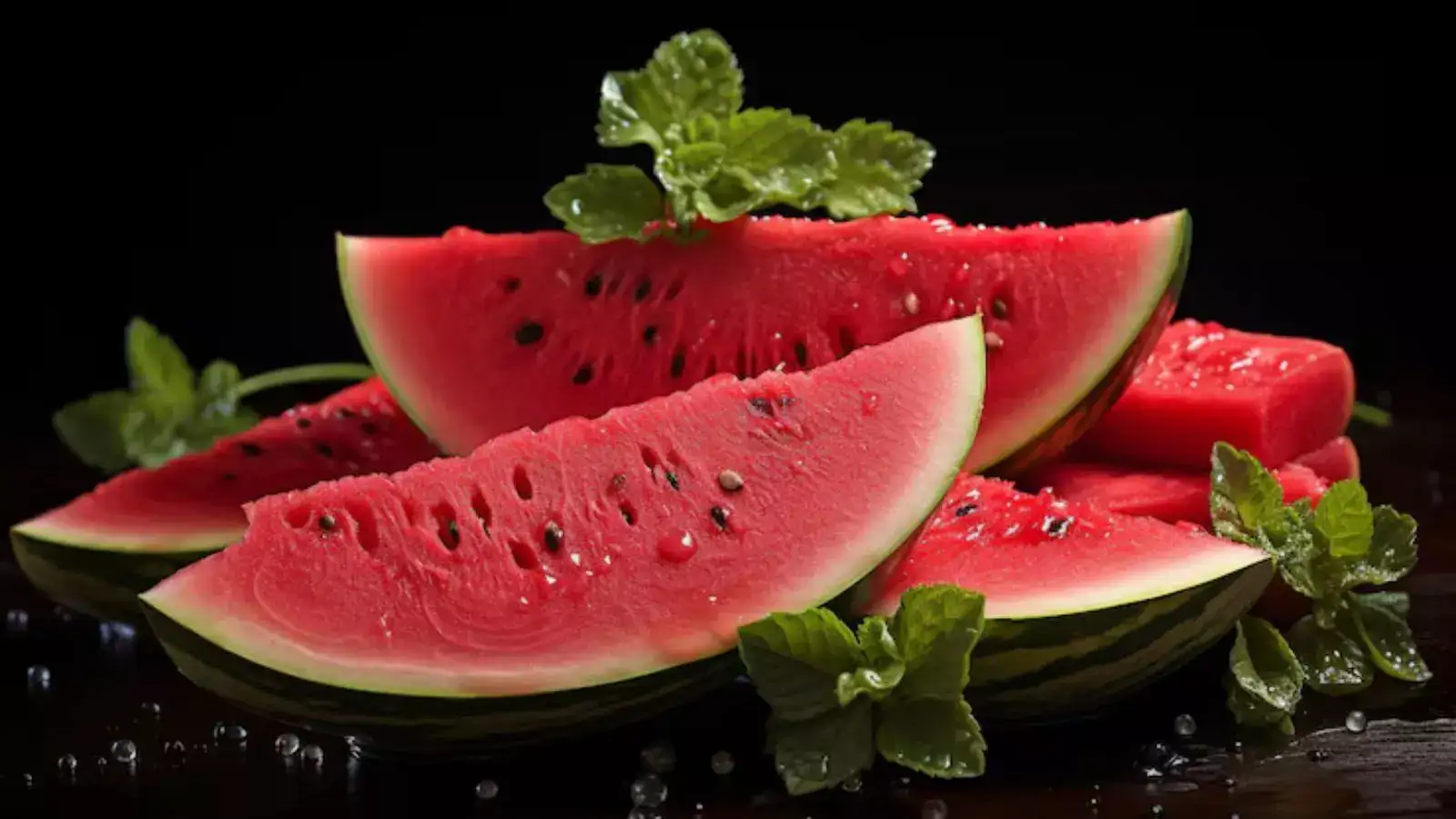
The Color Check: Is It Too Red to Be True?
Adulterant to Watch Out For: Artificial coloring agents like erythrosine (Red No. 3)
How to Test:
The Water Test: Detecting Dye Leakage
Quick DIY Method:
The Peel Test: Examine the Rind
The Taste Test: Trust Your Palate
Foam Test: Check for Chemical Ripening
Black Seeds vs. White Seeds
Why Adulteration Matters
Consuming adulterated watermelon can lead to:
Tips to Stay Safe
That bright, beautiful watermelon might be hiding more than just seeds. With these easy tests, you can protect yourself and your family from harmful adulterants. After all, good health is sweeter than any fruit.
You may also like
- Oats and green vegetables help in weight loss by controlling appetite
- What Happens When You Eat 1 Pomegranate Daily, 6 Powerful Health Benefits
- Taking Medicines After Drinking Alcohol, Top Doctors Warn of Deadly Liver and Heart Risks
- Can Protein Shakes Alone Build Muscle, Bust Superfood Myths and Expensive Fitness Fads
- This country is paying people to read books for 15 minutes: Here's how the scheme works and why it was launched
The Color Check: Is It Too Red to Be True?
Adulterant to Watch Out For: Artificial coloring agents like erythrosine (Red No. 3)
How to Test:
- Cut a slice and observe the inner flesh.
- If the red is unnaturally bright or glossy, it could be a sign of dye.
- Rub the flesh with a piece of cotton or a tissue. If the tissue turns red, that’s a major red flag.
The Water Test: Detecting Dye Leakage
Quick DIY Method:
- Drop a piece of watermelon pulp into a glass of water.
- Wait for a few minutes.
- If the water turns reddish, it's likely colored artificially.
- Real watermelon juice is usually clear to slightly pink, not bright red.
The Peel Test: Examine the Rind
- A healthy, natural watermelon will have a uniform green peel with light stripes.
- If the color appears too intense or overly shiny, it may have been polished with wax or chemical coatings.
- Run your fingers on the surface. If it feels greasy or leaves a residue, it could be tampered with.
The Taste Test: Trust Your Palate
- An overly sweet or bitter taste could indicate chemical additives.
- Natural watermelon should taste fresh, mildly sweet, and watery.
- If you detect any chemical-like flavor, spit it out and avoid consuming further.
Foam Test: Check for Chemical Ripening
- Chemicals to Watch Out For: Carbide or ethephon
- Mash a bit of watermelon and add it to water.
- Observe if it releases any foam or froth.
- Natural watermelon won't foam—this reaction could suggest chemical presence.
Black Seeds vs. White Seeds
- Natural watermelons generally have a mix of black, brown, and white seeds.
- Watermelons with only white seeds might be immature or genetically modified. While not always harmful, it's worth noting.
Why Adulteration Matters
Consuming adulterated watermelon can lead to:
- Stomach pain and indigestion
- Nausea and vomiting
- Long-term liver and kidney issues from chemical buildup
Tips to Stay Safe
- Buy from trusted vendors or local farmers.
- Choose watermelons with dull rinds and uniform shape—shiny ones are often chemically treated.
- Wash the outer rind thoroughly before cutting.
- Store cut pieces in a clean container in the fridge.
That bright, beautiful watermelon might be hiding more than just seeds. With these easy tests, you can protect yourself and your family from harmful adulterants. After all, good health is sweeter than any fruit.






Loving Newspoint? Download the app now
