
What Makes Jaipur Blue Pottery Different from Ordinary Ceramics?

A decorative plate, vase or tile can become a striking feature in a home when its colours and patterns have a story behind them. Jaipur blue pottery is one such craft, recognised for its vivid blue designs and distinctive production methods.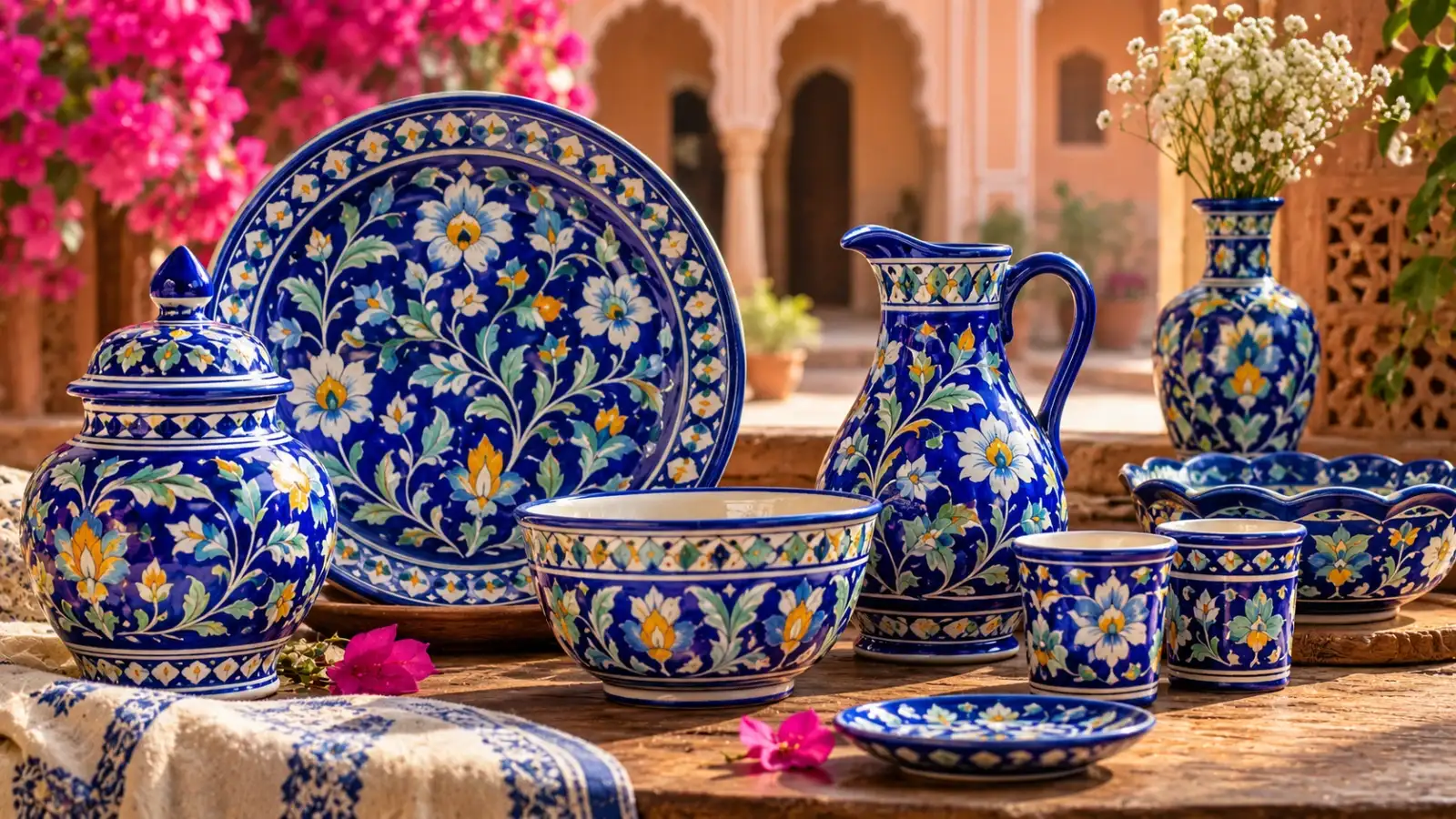
Unlike conventional pottery made primarily from clay, the traditional craft uses a specialised mixture of materials. Rajasthan Tourism describes a combination that includes powdered quartz, borax, fuller’s earth, glue and water. The resulting objects are fired at relatively low temperatures, contributing to their characteristic finish.
Blue remains a prominent colour, although pieces may also incorporate other shades. The contrast between the background and the painted motifs gives many products their recognisable appearance.
The range extends beyond decorative plates. Depending on the maker, buyers may find bowls, vases, tiles, small boxes and other home accessories.
Each object can differ in pattern and finish, especially when designs are painted by hand.
Because the material composition differs from conventional clay pottery, the process requires specialised knowledge. Shaping, drying, decoration and firing all influence the final result.
Traditional techniques can vary between workshops, so it is better not to assume that every blue pottery item follows an identical method.
The decorative stage is particularly important. Fine lines, repeated motifs and balanced colour placement contribute to the appearance of the finished piece.
Inspect the surface for visible cracks, chips and uneven finishing. Look carefully at painted details, especially around the edges and base.
Ask the seller whether the item is suitable for food contact, water storage or outdoor use. Decorative pottery should not automatically be assumed safe for serving food or holding drinking water.
If you plan to display the piece on a shelf, check that its base sits securely. For wall tiles, ask about installation requirements and whether the item is designed for that purpose.
Small vases and boxes can add colour to a neutral room. Blue pottery may also complement wooden furniture, plain textiles and understated table settings.
Avoid placing fragile pieces where they could be knocked over easily, particularly in homes with young children or active pets.
Buying from established workshops or craft outlets can provide a clearer understanding of the product's origin. If you are purchasing several pieces, compare the finish and construction rather than relying only on size or colour.
For travellers and home décor enthusiasts, choosing a well-made item can be a way to appreciate Rajasthan's craft heritage while bringing a small part of that tradition into everyday surroundings.
Unlike conventional pottery made primarily from clay, the traditional craft uses a specialised mixture of materials. Rajasthan Tourism describes a combination that includes powdered quartz, borax, fuller’s earth, glue and water. The resulting objects are fired at relatively low temperatures, contributing to their characteristic finish.
A distinctive ceramic tradition
Jaipur blue pottery is associated with a blend of artistic influences and local craftsmanship. Its designs often feature floral patterns, birds, animals and decorative borders.Blue remains a prominent colour, although pieces may also incorporate other shades. The contrast between the background and the painted motifs gives many products their recognisable appearance.
The range extends beyond decorative plates. Depending on the maker, buyers may find bowls, vases, tiles, small boxes and other home accessories.
Each object can differ in pattern and finish, especially when designs are painted by hand.
How the craft is made
The production process begins with preparing the material mixture. It is shaped into the desired form, decorated and finished before firing.Because the material composition differs from conventional clay pottery, the process requires specialised knowledge. Shaping, drying, decoration and firing all influence the final result.
Traditional techniques can vary between workshops, so it is better not to assume that every blue pottery item follows an identical method.
The decorative stage is particularly important. Fine lines, repeated motifs and balanced colour placement contribute to the appearance of the finished piece.
How to choose a piece
Start by deciding whether you want a functional object or something intended mainly for decoration.Inspect the surface for visible cracks, chips and uneven finishing. Look carefully at painted details, especially around the edges and base.
Ask the seller whether the item is suitable for food contact, water storage or outdoor use. Decorative pottery should not automatically be assumed safe for serving food or holding drinking water.
If you plan to display the piece on a shelf, check that its base sits securely. For wall tiles, ask about installation requirements and whether the item is designed for that purpose.
You may also like
- Why Flight Attendants Keep Their Hands Under Their Thighs During Flights
- When the Gut Speaks Up: Understanding IBS, the Everyday Struggle Few Talk About
- Reusing Old Diyas for Diwali Puja: Traditions, Cleaning Tips and DIY Ideas
- Exploring Puducherry: 5 Lesser-Known Places Every Traveller Should Visit
- Kiara Advani's Italy Holiday Inspires These Family Vacation Ideas
Styling blue pottery at home
A single decorative plate can work as part of a display on a shelf or wall, provided it is mounted securely.Small vases and boxes can add colour to a neutral room. Blue pottery may also complement wooden furniture, plain textiles and understated table settings.
Avoid placing fragile pieces where they could be knocked over easily, particularly in homes with young children or active pets.
Shopping thoughtfully in Jaipur
When shopping, ask whether the item is handmade, where it was produced and what materials were used.Buying from established workshops or craft outlets can provide a clearer understanding of the product's origin. If you are purchasing several pieces, compare the finish and construction rather than relying only on size or colour.
Why the craft remains distinctive
Jaipur blue pottery offers a combination of decorative artistry and specialised material knowledge. Its appeal lies not only in the blue-and-white palette but also in the skill required to shape, decorate and finish each piece.For travellers and home décor enthusiasts, choosing a well-made item can be a way to appreciate Rajasthan's craft heritage while bringing a small part of that tradition into everyday surroundings.






Loving Newspoint? Download the app now
