
Janmashtami 2026: Explore the Unique Krishna Birth Celebrations Across India

Janmashtami is celebrated across India to mark the birth of Lord Krishna, but the festival takes on a different character in every region. From midnight prayers in Mathura and Vrindavan to high-energy Dahi Handi events in Maharashtra, the celebrations bring together devotion, music, dance and local traditions.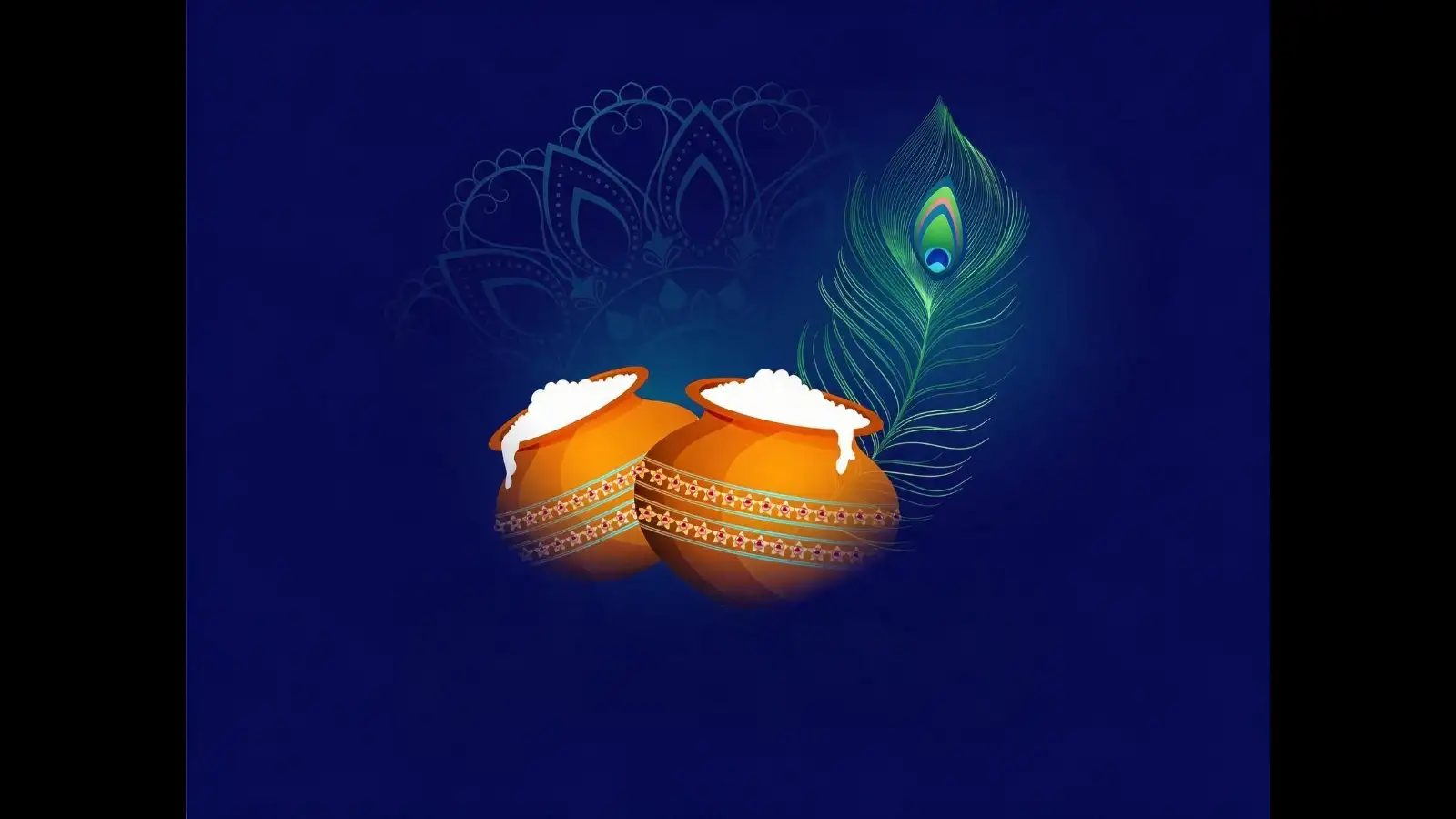
In 2026, Janmashtami will be observed on September 4, with devotees preparing for fasting, prayers and midnight celebrations.
The celebrations reach their peak around midnight, when devotees mark the birth of Krishna with special rituals. The following day is associated with Nandotsav, celebrating the joy in Nanda's household.
Mathura is also preparing special programmes for Janmashtami 2026 , including a proposed 500-drone show as part of the festivities.
Teams known as Govindas form human pyramids to reach and break a pot filled with curd, butter and other festive treats. The tradition recalls Krishna's childhood attempts to reach pots of butter and curd kept out of his reach.
The celebration turns streets into lively gathering points, with music, cheering crowds and teams competing to reach the handi.
The Dwarkadhish Temple becomes an important centre of worship during the festival. Devotees also visit other prominent Krishna temples across the state, while local celebrations include prayers and festive gatherings.
Dahi Handi and matki-breaking traditions are also seen in parts of Gujarat, adding a more playful dimension to the celebrations.
Special ceremonies, devotional singing, processions and cultural programmes form part of the festivities. The celebration also highlights Krishna's association with Jagannath, along with Balarama and Subhadra.
Bhajans, kirtans and cultural performances add to the festive atmosphere, while devotees observe the occasion through prayer and worship.
Janmashtami celebrations include prayers, devotional music and readings, while Ras Leela brings together spirituality and classical Manipuri dance. The performances portray the divine relationship between Krishna and Radha and form an important part of the state's cultural expression.
One of the distinctive traditions is creating kolams, often using rice flour or batter. Families also mark Krishna's arrival with devotional decorations and rituals, reflecting the importance of Krishna worship in the region.
Janmashtami is observed with special temple rituals, prayers and celebrations. The occasion draws devotees who come to participate in worship and experience the festive atmosphere surrounding Krishna's temple.
Families observe the festival with prayers, devotional activities and traditional food, giving the celebration a strong community and family character.
The celebration reflects the state's distinctive calendar traditions while retaining the central theme of remembering Krishna's birth and his childhood stories.
Across India, the common thread remains devotion to Krishna. Music, dance, temple rituals, fasting, processions and family traditions come together to make Janmashtami one of the country's most colourful and widely celebrated festivals.
In 2026, Janmashtami will be observed on September 4, with devotees preparing for fasting, prayers and midnight celebrations.
Uttar Pradesh: The heartland of Krishna celebrations
Mathura and Vrindavan are at the centre of Janmashtami celebrations because of their close association with Krishna's childhood and birth. Temples and streets are decorated, devotees gather for prayers and devotional singing, while Krishna Leela and Ras Leela performances bring stories from his life to the stage.The celebrations reach their peak around midnight, when devotees mark the birth of Krishna with special rituals. The following day is associated with Nandotsav, celebrating the joy in Nanda's household.
Mathura is also preparing special programmes for Janmashtami 2026 , including a proposed 500-drone show as part of the festivities.
Maharashtra: Dahi Handi takes centre stage
In Maharashtra, particularly Mumbai, Thane and Pune, Janmashtami is closely associated with the energetic Dahi Handi tradition.Teams known as Govindas form human pyramids to reach and break a pot filled with curd, butter and other festive treats. The tradition recalls Krishna's childhood attempts to reach pots of butter and curd kept out of his reach.
The celebration turns streets into lively gathering points, with music, cheering crowds and teams competing to reach the handi.
Gujarat: Krishna's connection with Dwarka
Gujarat celebrates Janmashtami with strong devotion, particularly in Dwarka, which is traditionally associated with Krishna's kingdom.The Dwarkadhish Temple becomes an important centre of worship during the festival. Devotees also visit other prominent Krishna temples across the state, while local celebrations include prayers and festive gatherings.
Dahi Handi and matki-breaking traditions are also seen in parts of Gujarat, adding a more playful dimension to the celebrations.
Odisha: Devotion around Jagannath tradition
In Odisha, Janmashtami celebrations are closely connected with the state's Vaishnavite traditions and the Jagannath Temple in Puri.Special ceremonies, devotional singing, processions and cultural programmes form part of the festivities. The celebration also highlights Krishna's association with Jagannath, along with Balarama and Subhadra.
West Bengal: Devotional music and processions
West Bengal marks Janmashtami with temple rituals, devotional songs and processions. Kolkata sees decorated celebrations depicting episodes from Krishna's life.Bhajans, kirtans and cultural performances add to the festive atmosphere, while devotees observe the occasion through prayer and worship.
Manipur: Ras Leela and classical tradition
Manipur has a distinctive connection with Krishna worship through its strong Vaishnavite traditions.Janmashtami celebrations include prayers, devotional music and readings, while Ras Leela brings together spirituality and classical Manipuri dance. The performances portray the divine relationship between Krishna and Radha and form an important part of the state's cultural expression.
Tamil Nadu: Kolams, prayers and Krishna traditions
In Tamil Nadu, Janmashtami is observed with fasting, prayers and devotional activities at home and in temples.One of the distinctive traditions is creating kolams, often using rice flour or batter. Families also mark Krishna's arrival with devotional decorations and rituals, reflecting the importance of Krishna worship in the region.
You may also like
- Nvidia CEO Jensen Huang was asked to name the smartest person he has ever met; he refused to answer, but then explained why it's complicated as AI changes the definition of 'smart'
- Recruitment for Anganwadi Helpers in UP for Women Who Have Passed Class 12; Opportunity to Apply for Thousands of Posts
- How to get the Pink Saheli Smart Card for free bus travel in Delhi? Know the process
- Local Police to Issue e-Challans; Crackdown on Traffic Violations in Delhi
- Timely premium payment is mandatory; customer denied claim even by the Supreme Court
Karnataka: Temple worship and Udupi traditions
Karnataka, particularly Udupi, has a strong Krishna tradition centred around the famous Sri Krishna Matha.Janmashtami is observed with special temple rituals, prayers and celebrations. The occasion draws devotees who come to participate in worship and experience the festive atmosphere surrounding Krishna's temple.
Andhra Pradesh: Children dressed as Krishna
In Andhra Pradesh, Janmashtami celebrations also include a charming tradition involving children. Young boys may dress up as Krishna and visit relatives and friends.Families observe the festival with prayers, devotional activities and traditional food, giving the celebration a strong community and family character.
Kerala: Ashtami Rohini celebrations
Kerala observes Krishna's birth as Ashtami Rohini. The festival is marked by temple worship and devotional activities dedicated to Krishna.The celebration reflects the state's distinctive calendar traditions while retaining the central theme of remembering Krishna's birth and his childhood stories.
One festival, many traditions
From the sacred midnight celebrations of Mathura to Maharashtra's towering human pyramids, Janmashtami shows how one festival can take many cultural forms.Across India, the common thread remains devotion to Krishna. Music, dance, temple rituals, fasting, processions and family traditions come together to make Janmashtami one of the country's most colourful and widely celebrated festivals.






Loving Newspoint? Download the app now
