
Japan's centenarian population has crossed 100,000: A glimpse into the habits behind remarkable longevity and the growing challenges of an aging nation


Japan has quietly crossed a remarkable milestone. For the first time, more than 100,000 of its citizens have lived to see their 100th birthday. The latest figures from the health ministry show 107,677 people aged 100 or older, nearly 8,000 more than a year ago.
It is another reminder of the country’s extraordinary longevity, even as it faces deep questions about how to care for so many elders in a shrinking population.
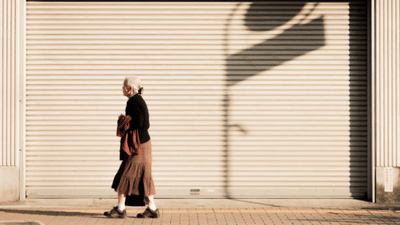
A growing circle of centenariansThe numbers keep rising. Women make up the overwhelming majority of Japan’s centenarians, at 88 percent. The oldest woman, Fuyo Kishimoto from Kyoto, is 114. The oldest man, Hikaru Kato from Kumamoto, is 112. The New York Times reported that the Health Minister of Japan, Kenichiro Ueno welcomed the news with genuine warmth, saying he was “very happy that so many people have been able to stay active for so long.” He also pledged to keep strengthening the social security system so older people can live not just longer, but healthier lives.
One of those people is Tetsuo Sato, 106, who lives in a quiet rice-growing village of Osonogo in the mountains of Niigata Prefecture. He shares a home with his son, daughter-in-law, a dog and a cat. Hard of hearing and struggling with his eyesight, he still fills his days making notebooks from old calendars and wrapping paper.
He also tells stories from the Battle of Imphal in World War II. His daughter-in-law, Kuniko Sato, 68, said he insists on staying as independent as possible. When she hurt her leg last year, he started washing his own rice bowls. “We ended up caring for each other in our old age,” she said as the New York Times reported.
What helps people reach 100Stuart Gietel-Basten, a professor of social science at the Hong Kong University of Science and Technology, points to several everyday factors that help explain Japan’s long lives. A healthy diet, active daily routines, and an affordable health system that encourages regular check-ups all play a part. Many older Japanese still walk, garden, or stay involved in their communities well into their later years.
The sharp difference between men and women has deeper roots. Many men of that generation died in World War II. Those who survived often smoked and drank more than women, and many spent years in industrial jobs that took a toll on their bodies. After retirement or the loss of a spouse, some men became isolated. Women, by contrast, tended to stay more connected to neighbours and local groups, which supported their mental health over the decades.
The bigger picture of an aging nationWhile the rise in centenarians is something to celebrate, it sits inside a larger demographic challenge. Japan’s population peaked at 128 million in 2008 and is projected to fall to around 87 million by 2070. The country now has roughly the same number of people it had in 1989. For every new baby born, two people die. Prime Minister Sanae Takaichi has called the low birthrate a “quiet emergency.”
A smaller workforce means a heavier tax burden on those still working. For years the government has tried to encourage couples to have more children, with limited success. Some experts say Japan needs more immigration to ease the pressure, yet a wave of nationalist feeling has grown stronger, with calls for tighter controls under a “Japan First” banner. Balancing care for the old with support for the young remains one of the country’s toughest long-term tasks.
Still looking forwardDespite the challenges, many of Japan’s oldest citizens refuse to slow down. Some are still working. Mr. Sato’s original goal was to reach 100. Now he is aiming for 110.
His daughter-in-law believes he feels a quiet sense of duty: a parent should stay strong enough to look out for the next generation. That determination, repeated across tens of thousands of households, is part of what keeps Japan’s longevity story alive.
It is another reminder of the country’s extraordinary longevity, even as it faces deep questions about how to care for so many elders in a shrinking population.
A growing circle of centenariansThe numbers keep rising. Women make up the overwhelming majority of Japan’s centenarians, at 88 percent. The oldest woman, Fuyo Kishimoto from Kyoto, is 114. The oldest man, Hikaru Kato from Kumamoto, is 112. The New York Times reported that the Health Minister of Japan, Kenichiro Ueno welcomed the news with genuine warmth, saying he was “very happy that so many people have been able to stay active for so long.” He also pledged to keep strengthening the social security system so older people can live not just longer, but healthier lives.
One of those people is Tetsuo Sato, 106, who lives in a quiet rice-growing village of Osonogo in the mountains of Niigata Prefecture. He shares a home with his son, daughter-in-law, a dog and a cat. Hard of hearing and struggling with his eyesight, he still fills his days making notebooks from old calendars and wrapping paper.
He also tells stories from the Battle of Imphal in World War II. His daughter-in-law, Kuniko Sato, 68, said he insists on staying as independent as possible. When she hurt her leg last year, he started washing his own rice bowls. “We ended up caring for each other in our old age,” she said as the New York Times reported.
What helps people reach 100Stuart Gietel-Basten, a professor of social science at the Hong Kong University of Science and Technology, points to several everyday factors that help explain Japan’s long lives. A healthy diet, active daily routines, and an affordable health system that encourages regular check-ups all play a part. Many older Japanese still walk, garden, or stay involved in their communities well into their later years.
The sharp difference between men and women has deeper roots. Many men of that generation died in World War II. Those who survived often smoked and drank more than women, and many spent years in industrial jobs that took a toll on their bodies. After retirement or the loss of a spouse, some men became isolated. Women, by contrast, tended to stay more connected to neighbours and local groups, which supported their mental health over the decades.
The bigger picture of an aging nationWhile the rise in centenarians is something to celebrate, it sits inside a larger demographic challenge. Japan’s population peaked at 128 million in 2008 and is projected to fall to around 87 million by 2070. The country now has roughly the same number of people it had in 1989. For every new baby born, two people die. Prime Minister Sanae Takaichi has called the low birthrate a “quiet emergency.”
A smaller workforce means a heavier tax burden on those still working. For years the government has tried to encourage couples to have more children, with limited success. Some experts say Japan needs more immigration to ease the pressure, yet a wave of nationalist feeling has grown stronger, with calls for tighter controls under a “Japan First” banner. Balancing care for the old with support for the young remains one of the country’s toughest long-term tasks.
Still looking forwardDespite the challenges, many of Japan’s oldest citizens refuse to slow down. Some are still working. Mr. Sato’s original goal was to reach 100. Now he is aiming for 110.
His daughter-in-law believes he feels a quiet sense of duty: a parent should stay strong enough to look out for the next generation. That determination, repeated across tens of thousands of households, is part of what keeps Japan’s longevity story alive.
Next Story