
Jiuzhaigou Valley: 8 Must-Visit Lakes and Waterfalls at China’s UNESCO World Heritage Site

In northern Sichuan province, Jiuzhaigou Valley is a remarkable natural destination known for its clear lakes, cascading waterfalls, dense forests and dramatic mountain scenery. The water shifts between shades of turquoise, emerald, deep blue and green, creating striking contrasts with the surrounding woodland and pale mineral deposits.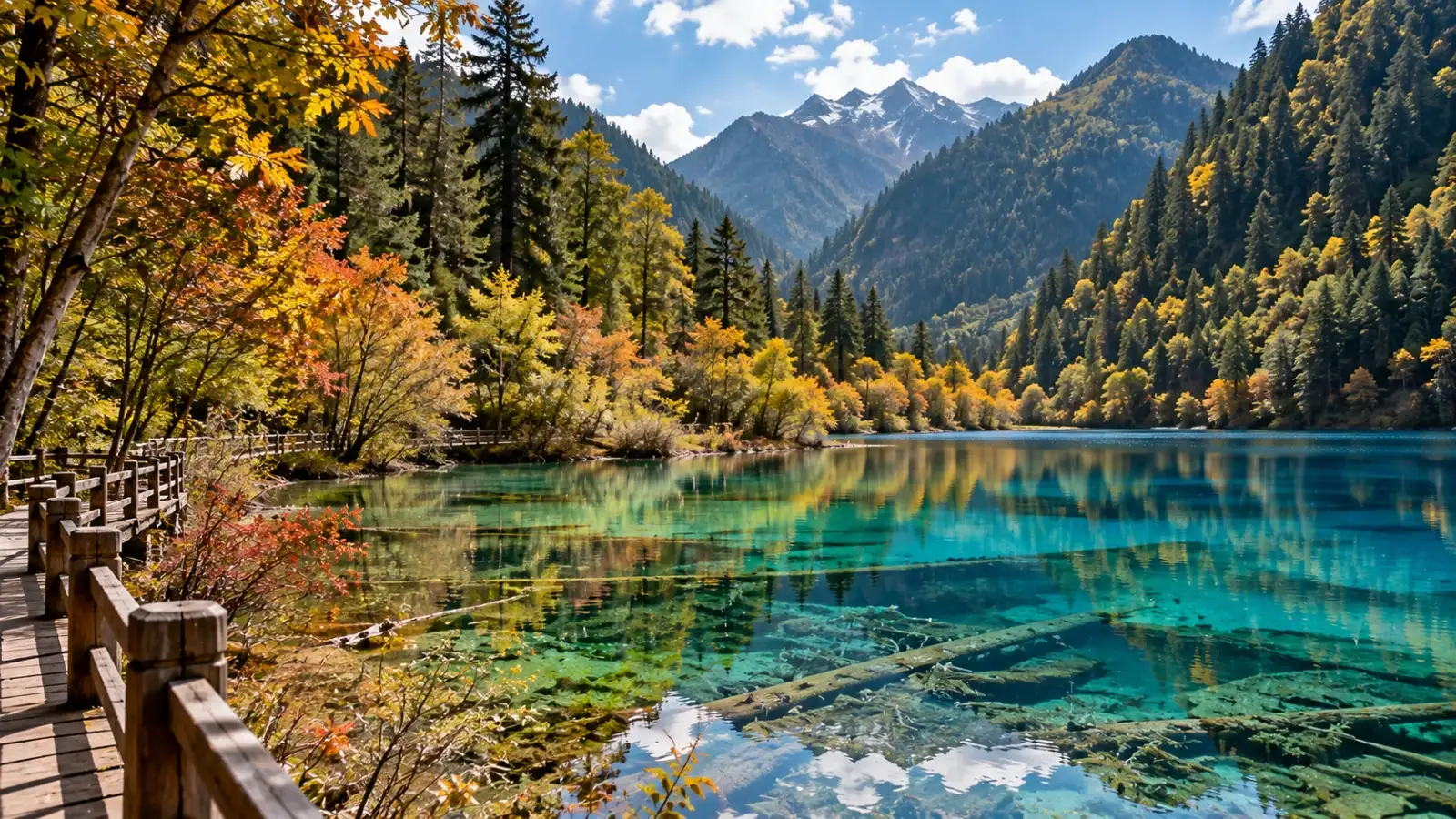
Recognised as a UNESCO World Heritage Site in 1992, the valley protects a landscape shaped by geological processes, freshwater systems and diverse forest ecosystems. Its name means Valley of Nine Villages, reflecting the area's historic Tibetan villages and cultural heritage.
Although its colourful lakes are the main attraction, Jiuzhaigou offers much more than scenic viewpoints. Walking along wooden boardwalks, exploring quieter sections of the valley and learning about local Tibetan traditions can make a visit more rewarding. With some planning, travellers can experience its natural beauty without rushing from one photograph stop to another.
The lake's appearance is influenced by several natural factors, including water clarity, dissolved minerals, the lakebed and surrounding vegetation. The result is a landscape that can look different depending on the season, weather and viewing angle.
Take time to observe the lake from its designated viewing areas rather than relying on a single photograph. The surrounding forest provides a contrasting backdrop, while the water's transparency reveals details beneath the surface.
Five Flower Lake is a popular stop, so arriving early can help you enjoy the scenery before the busiest visitor periods. Stay on marked paths and avoid entering the water, as the lake is part of a protected natural environment.
The waterfall is particularly attractive when water levels are high, although the strength of the flow varies with seasonal conditions and rainfall. Its surrounding vegetation also changes throughout the year, creating different photographic opportunities.
Designated walkways allow visitors to appreciate the waterfall from different perspectives. Follow the marked route and allow enough time to enjoy the sound of the rushing water rather than treating the stop as a quick photo opportunity.
Comfortable footwear is useful because boardwalks and paths may be damp. During colder weather, take extra care around wet surfaces.
Rather than appearing as one enormous body of water, the landscape is made up of connected pools and channels. Vegetation, mineral deposits and changing water levels create variations in colour and texture from one section to another.
Shuzheng Waterfall is another notable feature in this part of the park. The surrounding scenery combines water, woodland and mountain slopes, offering a different experience from the more famous lakes.
The best way to explore this area is to walk along the designated boardwalks and pause at viewpoints that interest you. Some stretches are particularly rewarding for photography because the water reflects trees and nearby hills.
Its appearance changes with the weather. On a clear day, the water and surrounding mountains can create striking reflections, while cloudier conditions lend the area a quieter atmosphere.
The higher elevation means temperatures can be lower than near the park entrance, even during warmer months. Carry an extra layer of clothing and avoid assuming that conditions will remain comfortable throughout the day.
Long Lake is a useful reminder that Jiuzhaigou is not only a collection of colourful pools. Its appeal also lies in the relationship between water, elevation, forest and mountain terrain.
Walking through these wooded sections offers a change of pace from the open lakeside viewpoints. The forest floor, tree trunks and filtered sunlight create opportunities to appreciate smaller natural details, including mosses, fallen leaves and seasonal growth.
Autumn is particularly popular because foliage turns shades of gold, orange and red, contrasting with the blue and turquoise water. Spring brings fresh growth, while summer offers greener woodland and often stronger waterfall flows.
Stay on designated routes and do not collect plants, disturb wildlife or leave litter. Jiuzhaigou's forests are part of a protected ecosystem, so responsible behaviour helps preserve the landscape for future visitors.
The waterfall's appearance varies according to water flow, which can be stronger during wetter periods. In autumn, colourful foliage adds another layer to the landscape, while cooler weather can create a different atmosphere around the surrounding forest.
Because the waterfall is a popular stopping point, it is worth checking your park route in advance so you can allow sufficient time to explore the area.
Take photographs from the permitted viewing points and avoid crossing barriers for a better angle. The natural setting is impressive enough without putting yourself or the environment at risk.
The effect depends on conditions. Wind, rain and movement on the water can alter the reflections, so a visit does not guarantee a perfectly mirrored landscape. Early in the day may offer favourable conditions, although the weather is never entirely predictable.
For photographers, the attraction lies in observing the relationship between the real landscape and its reflection. Even when the surface is disturbed, the combination of water and forest remains visually interesting.
Keep your camera or phone secure near the water and remain on marked walkways. There is no need to approach the lake edge to enjoy its scenery.
Visitors may encounter traditional architecture, local handicrafts and regional food around the wider destination. These cultural experiences provide context for understanding the relationship between people and the environment.
If you visit a village or a community-run business, approach it respectfully. Ask permission before photographing residents, religious objects or ceremonies, and follow any local guidance about access.
Do not assume that every cultural activity is arranged for tourists. A more meaningful visit often comes from learning about local traditions without interrupting everyday life.
Summer brings greener forests and potentially stronger waterfalls, although rainfall and visitor numbers can be higher. Spring offers fresh vegetation, while winter can transform parts of the valley with snow and ice, depending on conditions.
The park lies at a considerable elevation, so temperatures can change throughout the day. Pack layers, sun protection and comfortable walking shoes regardless of the season.
China's National Day holiday in early October can be exceptionally busy. If your schedule is flexible, consider travelling outside the busiest holiday dates and book transport and accommodation well ahead.
Travellers can consider high-speed rail services towards Huanglong Jiuzhai railway station, followed by a road transfer to the park. The railway station is not directly beside the entrance, so the onward journey needs to be included in your plans.
Flights to nearby regional airports may also be an option, depending on schedules and seasonal availability. Road journeys can be scenic but may take longer than expected because of mountain terrain and changing conditions.
Check current transport timetables, transfer arrangements and park entry requirements before departure. For international visitors, confirm passport details and ticket-booking procedures carefully.
The park has a branching valley layout, and sightseeing buses generally help visitors travel between major sections. A practical approach is to prioritise the lakes and waterfalls that interest you most, then use the designated boardwalks to explore on foot.
If you have two days available, you can take a slower approach, spend more time photographing the scenery and explore additional sections without rushing. Confirm whether your ticket permits the planned duration of entry, as admission rules can vary by season.
Start early, keep your route flexible and allow breaks. The combination of walking and elevation can be tiring, particularly for visitors who are not accustomed to mountain environments.
Carry drinking water, snacks where permitted, a light waterproof layer and warm clothing. Mobile connectivity can be unreliable in some mountain areas, so keep important booking details available offline.
Jiuzhaigou's elevation can affect some visitors. Walk at a comfortable pace, avoid unnecessary exertion and seek medical advice before travel if you have concerns about altitude exposure.
Most importantly, respect the park's conservation rules. Stay on boardwalks, do not enter lakes or feed wildlife, and take all rubbish with you.
Jiuzhaigou Valley is a destination where water, forests and mountains create a constantly changing landscape. Its colourful lakes may first attract visitors, but the waterfalls, woodland trails, alpine views and local cultural heritage make the experience more complete. With thoughtful planning and enough time to explore at a relaxed pace, the valley offers a memorable introduction to one of China's most distinctive natural landscapes.
Recognised as a UNESCO World Heritage Site in 1992, the valley protects a landscape shaped by geological processes, freshwater systems and diverse forest ecosystems. Its name means Valley of Nine Villages, reflecting the area's historic Tibetan villages and cultural heritage.
Although its colourful lakes are the main attraction, Jiuzhaigou offers much more than scenic viewpoints. Walking along wooden boardwalks, exploring quieter sections of the valley and learning about local Tibetan traditions can make a visit more rewarding. With some planning, travellers can experience its natural beauty without rushing from one photograph stop to another.
1. Visit Five Flower Lake for Its Remarkable Colours
Five Flower Lake, one of Jiuzhaigou's most famous attractions, is known for its unusually clear water and changing shades of blue, green and turquoise. The colours become especially striking when sunlight reaches the lake and illuminates submerged tree trunks, aquatic vegetation and mineral-rich deposits.The lake's appearance is influenced by several natural factors, including water clarity, dissolved minerals, the lakebed and surrounding vegetation. The result is a landscape that can look different depending on the season, weather and viewing angle.
Take time to observe the lake from its designated viewing areas rather than relying on a single photograph. The surrounding forest provides a contrasting backdrop, while the water's transparency reveals details beneath the surface.
Five Flower Lake is a popular stop, so arriving early can help you enjoy the scenery before the busiest visitor periods. Stay on marked paths and avoid entering the water, as the lake is part of a protected natural environment.
2. Admire the Multi-Level Waterfalls at Pearl Shoal
Pearl Shoal Waterfall is among the valley's most memorable natural features. Water flows over a broad, uneven limestone surface, breaking into countless small streams and droplets that resemble scattered pearls.The waterfall is particularly attractive when water levels are high, although the strength of the flow varies with seasonal conditions and rainfall. Its surrounding vegetation also changes throughout the year, creating different photographic opportunities.
Designated walkways allow visitors to appreciate the waterfall from different perspectives. Follow the marked route and allow enough time to enjoy the sound of the rushing water rather than treating the stop as a quick photo opportunity.
Comfortable footwear is useful because boardwalks and paths may be damp. During colder weather, take extra care around wet surfaces.
3. Explore the Shuzheng Lakes and Waterfalls
The Shuzheng Valley section contains a series of lakes, smaller cascades and forested surroundings that make it an excellent area for a leisurely walk.Rather than appearing as one enormous body of water, the landscape is made up of connected pools and channels. Vegetation, mineral deposits and changing water levels create variations in colour and texture from one section to another.
Shuzheng Waterfall is another notable feature in this part of the park. The surrounding scenery combines water, woodland and mountain slopes, offering a different experience from the more famous lakes.
The best way to explore this area is to walk along the designated boardwalks and pause at viewpoints that interest you. Some stretches are particularly rewarding for photography because the water reflects trees and nearby hills.
4. Discover Long Lake and the High-Mountain Scenery
Long Lake, situated in the Zechawa Valley section, is known for its elongated shape and mountain setting. Surrounded by forested slopes and higher peaks, it provides a more expansive view of Jiuzhaigou's alpine landscape.Its appearance changes with the weather. On a clear day, the water and surrounding mountains can create striking reflections, while cloudier conditions lend the area a quieter atmosphere.
The higher elevation means temperatures can be lower than near the park entrance, even during warmer months. Carry an extra layer of clothing and avoid assuming that conditions will remain comfortable throughout the day.
Long Lake is a useful reminder that Jiuzhaigou is not only a collection of colourful pools. Its appeal also lies in the relationship between water, elevation, forest and mountain terrain.
5. Walk Through Forests That Change with the Seasons
Jiuzhaigou's forests are an essential part of its natural character. Coniferous woodland, mixed forests and other vegetation types occupy different elevations, providing habitat for a wide range of plant and animal species.Walking through these wooded sections offers a change of pace from the open lakeside viewpoints. The forest floor, tree trunks and filtered sunlight create opportunities to appreciate smaller natural details, including mosses, fallen leaves and seasonal growth.
Autumn is particularly popular because foliage turns shades of gold, orange and red, contrasting with the blue and turquoise water. Spring brings fresh growth, while summer offers greener woodland and often stronger waterfall flows.
Stay on designated routes and do not collect plants, disturb wildlife or leave litter. Jiuzhaigou's forests are part of a protected ecosystem, so responsible behaviour helps preserve the landscape for future visitors.
6. Visit Nuorilang Waterfall
Nuorilang Waterfall is one of the valley's major landmarks. Its broad curtain of water spreads across a rocky face, creating a powerful visual contrast with the surrounding greenery.The waterfall's appearance varies according to water flow, which can be stronger during wetter periods. In autumn, colourful foliage adds another layer to the landscape, while cooler weather can create a different atmosphere around the surrounding forest.
Because the waterfall is a popular stopping point, it is worth checking your park route in advance so you can allow sufficient time to explore the area.
Take photographs from the permitted viewing points and avoid crossing barriers for a better angle. The natural setting is impressive enough without putting yourself or the environment at risk.
7. Look for Reflections at Mirror Lake
Mirror Lake is known for its reflective surface, which can produce clear images of the surrounding forest and mountains when the water is calm.The effect depends on conditions. Wind, rain and movement on the water can alter the reflections, so a visit does not guarantee a perfectly mirrored landscape. Early in the day may offer favourable conditions, although the weather is never entirely predictable.
For photographers, the attraction lies in observing the relationship between the real landscape and its reflection. Even when the surface is disturbed, the combination of water and forest remains visually interesting.
Keep your camera or phone secure near the water and remain on marked walkways. There is no need to approach the lake edge to enjoy its scenery.
8. Learn About Tibetan Culture in the Region
Jiuzhaigou's natural landscape is closely connected to the cultural history of the local Tibetan communities. The name of the valley refers to nine villages, reflecting the settlements that have long been associated with this mountain region.Visitors may encounter traditional architecture, local handicrafts and regional food around the wider destination. These cultural experiences provide context for understanding the relationship between people and the environment.
If you visit a village or a community-run business, approach it respectfully. Ask permission before photographing residents, religious objects or ceremonies, and follow any local guidance about access.
Do not assume that every cultural activity is arranged for tourists. A more meaningful visit often comes from learning about local traditions without interrupting everyday life.
Best Time to Visit Jiuzhaigou Valley
Late September to October is often considered one of the most rewarding periods for visiting Jiuzhaigou, especially for travellers hoping to see autumn foliage reflected in the lakes. The exact timing of peak colours varies with weather and elevation.Summer brings greener forests and potentially stronger waterfalls, although rainfall and visitor numbers can be higher. Spring offers fresh vegetation, while winter can transform parts of the valley with snow and ice, depending on conditions.
The park lies at a considerable elevation, so temperatures can change throughout the day. Pack layers, sun protection and comfortable walking shoes regardless of the season.
China's National Day holiday in early October can be exceptionally busy. If your schedule is flexible, consider travelling outside the busiest holiday dates and book transport and accommodation well ahead.
How to Reach Jiuzhaigou Valley
Jiuzhaigou is located in northern Sichuan, and Chengdu is a common starting point for visitors travelling from other parts of China or arriving internationally.Travellers can consider high-speed rail services towards Huanglong Jiuzhai railway station, followed by a road transfer to the park. The railway station is not directly beside the entrance, so the onward journey needs to be included in your plans.
Flights to nearby regional airports may also be an option, depending on schedules and seasonal availability. Road journeys can be scenic but may take longer than expected because of mountain terrain and changing conditions.
Check current transport timetables, transfer arrangements and park entry requirements before departure. For international visitors, confirm passport details and ticket-booking procedures carefully.
How to Explore the Park in One or Two Days
A full day can cover several of Jiuzhaigou's main highlights, but the valley is extensive and the number of places you can visit depends on transport queues, walking pace and operating arrangements.The park has a branching valley layout, and sightseeing buses generally help visitors travel between major sections. A practical approach is to prioritise the lakes and waterfalls that interest you most, then use the designated boardwalks to explore on foot.
If you have two days available, you can take a slower approach, spend more time photographing the scenery and explore additional sections without rushing. Confirm whether your ticket permits the planned duration of entry, as admission rules can vary by season.
Start early, keep your route flexible and allow breaks. The combination of walking and elevation can be tiring, particularly for visitors who are not accustomed to mountain environments.
Practical Tips Before You Travel
Book park admission and accommodation in advance during busy periods, and check current visitor limits, opening times and transport arrangements through official channels. Do not rely solely on old online information for ticket prices or operating schedules.Carry drinking water, snacks where permitted, a light waterproof layer and warm clothing. Mobile connectivity can be unreliable in some mountain areas, so keep important booking details available offline.
Jiuzhaigou's elevation can affect some visitors. Walk at a comfortable pace, avoid unnecessary exertion and seek medical advice before travel if you have concerns about altitude exposure.
Most importantly, respect the park's conservation rules. Stay on boardwalks, do not enter lakes or feed wildlife, and take all rubbish with you.
Jiuzhaigou Valley is a destination where water, forests and mountains create a constantly changing landscape. Its colourful lakes may first attract visitors, but the waterfalls, woodland trails, alpine views and local cultural heritage make the experience more complete. With thoughtful planning and enough time to explore at a relaxed pace, the valley offers a memorable introduction to one of China's most distinctive natural landscapes.
Next Story