
Keep Your Elderly Parents Safe At Home With These Practical Ways To Reduce The Risk Of Falls And Injuries

Falls are one of the most common causes of injury among older adults, often leading to serious complications that can affect independence and quality of life. As parents age, even familiar spaces inside the home can become risky due to reduced balance, weaker muscles, and slower reflexes. Creating a safer environment does not always require major renovations. With thoughtful adjustments, regular monitoring, and a proactive approach, families can significantly reduce the chances of accidents and help elderly parents live confidently and comfortably in their own homes.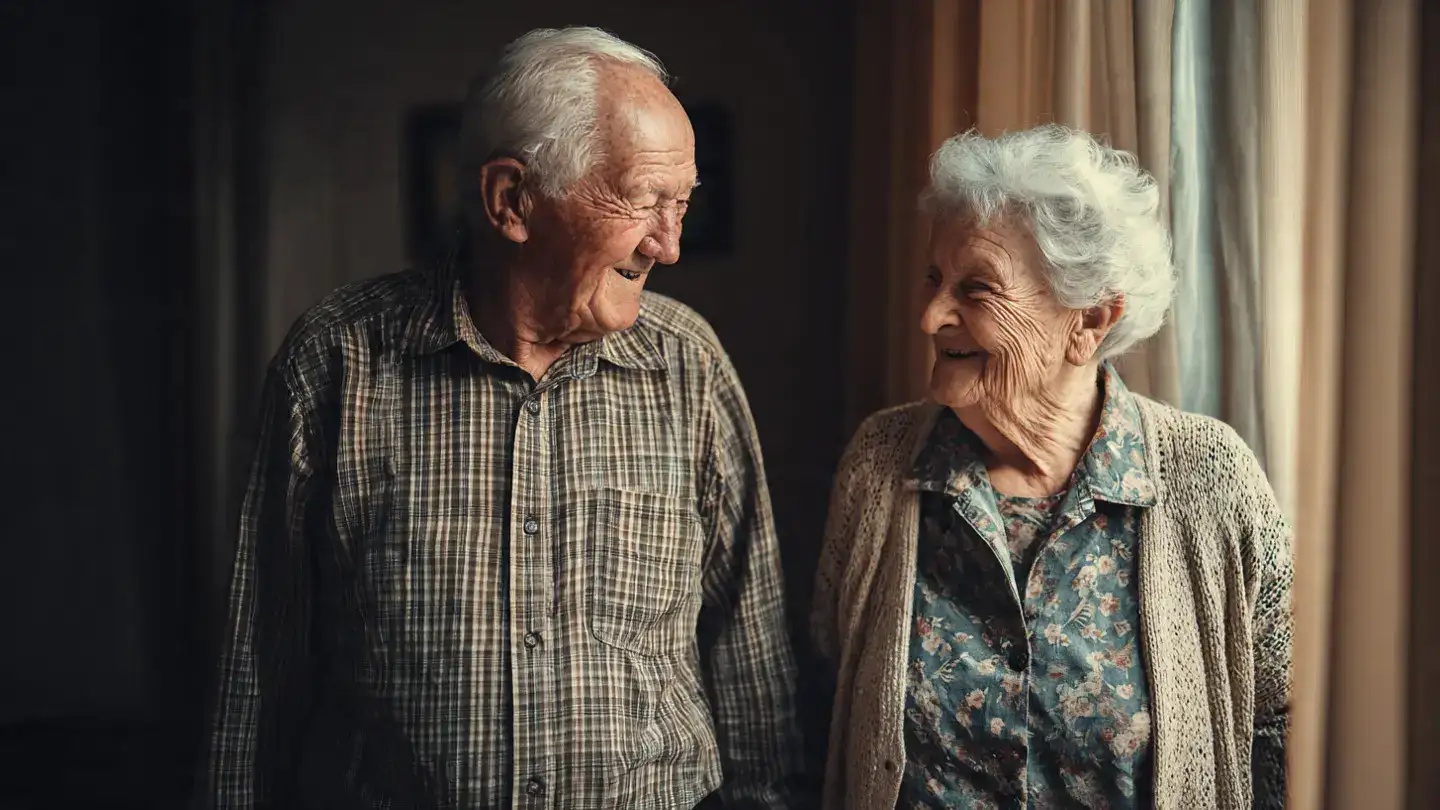
Homes that once felt completely safe can suddenly pose hazards. Slippery floors, poor lighting, loose rugs, and cluttered pathways are common risk factors. Recognising these issues is the first step towards effective fall prevention for elderly family members.
Ensure all rooms, hallways, and staircases are well lit. Install brighter bulbs where needed and consider motion sensor lights in areas like bathrooms and corridors. Night lamps near the bed can help avoid accidents during late-night movements.
Switches should be easily accessible, ideally near doorways and beds, so that lights can be turned on without walking in the dark.
Keep floors clear and organised. Remove unnecessary furniture and ensure walking paths are wide and unobstructed. Secure or remove loose rugs, as they can slip underfoot. If rugs are necessary, use anti-slip backing to keep them firmly in place.
Pay attention to small details such as curled carpet edges or uneven tiles, which may seem harmless but can pose real risks.
Handrails on both sides of staircases provide additional support. Non-slip mats in bathrooms and kitchens help prevent slipping on wet surfaces.
If possible, consider installing a shower chair and a hand-held shower to reduce the need for standing for long periods. These simple changes can greatly improve overall home safety for seniors .
Encourage the use of well-fitting footwear with non-slip soles, even inside the house. Avoid walking barefoot on smooth or wet surfaces, as this can reduce stability.
Proper footwear supports balance and reduces the chances of unexpected slips, especially on tiled or polished floors.
Regular medical check-ups help identify and manage these issues early. Review medications with a doctor to ensure they are not causing side effects such as dizziness.
Simple exercises, as recommended by a healthcare professional, can improve strength, flexibility, and balance. Staying physically active is one of the most effective ways to reduce elderly fall risk.
In the kitchen, store essentials at waist height. In bedrooms, ensure that the bed is at a comfortable height for getting in and out easily. Chairs with armrests can provide extra support when sitting or standing.
Encourage slow and steady movements, especially when transitioning from sitting to standing. Sudden movements can cause dizziness and lead to falls.
Open communication helps in understanding their needs and concerns. Encourage them to speak up about any discomfort or difficulty they experience while moving around the house.
Technology can also play a helpful role. Emergency alert systems or wearable devices can provide reassurance and quick assistance if a fall does occur.
Inspect the home periodically for new hazards. Replace worn-out mats, fix loose fixtures, and ensure lighting remains adequate. Consistency is key to maintaining a safe and comfortable living space.
Small, thoughtful actions can go a long way in preventing falls at home . By combining practical adjustments with attentive care, families can protect their elderly parents from unnecessary injuries while allowing them to retain their independence and dignity.
Image Courtesy: Meta AI
Understanding Why Falls Happen at Home
Ageing brings natural physical changes that increase the likelihood of falls. Vision may decline, making it harder to notice obstacles. Muscle strength and joint flexibility can reduce, affecting stability. In some cases, medications may cause dizziness or drowsiness.Homes that once felt completely safe can suddenly pose hazards. Slippery floors, poor lighting, loose rugs, and cluttered pathways are common risk factors. Recognising these issues is the first step towards effective fall prevention for elderly family members.
Improve Lighting Across the House
Good lighting plays a crucial role in preventing falls. Dim or uneven lighting can make it difficult for elderly individuals to spot obstacles, especially at night.Ensure all rooms, hallways, and staircases are well lit. Install brighter bulbs where needed and consider motion sensor lights in areas like bathrooms and corridors. Night lamps near the bed can help avoid accidents during late-night movements.
Switches should be easily accessible, ideally near doorways and beds, so that lights can be turned on without walking in the dark.
Remove Tripping Hazards
Clutter is one of the biggest contributors to falls at home. Loose wires, scattered items, and uneven surfaces can easily cause someone to trip.Keep floors clear and organised. Remove unnecessary furniture and ensure walking paths are wide and unobstructed. Secure or remove loose rugs, as they can slip underfoot. If rugs are necessary, use anti-slip backing to keep them firmly in place.
Pay attention to small details such as curled carpet edges or uneven tiles, which may seem harmless but can pose real risks.
Install Supportive Safety Features
Adding supportive fixtures can make a significant difference in maintaining balance and preventing falls. Grab bars are especially useful in bathrooms near toilets and inside showers.Handrails on both sides of staircases provide additional support. Non-slip mats in bathrooms and kitchens help prevent slipping on wet surfaces.
If possible, consider installing a shower chair and a hand-held shower to reduce the need for standing for long periods. These simple changes can greatly improve overall home safety for seniors .
Encourage Safe Footwear
What elderly parents wear on their feet matters more than many people realise. Slippers without proper grip or shoes that are too loose can increase the risk of slipping.Encourage the use of well-fitting footwear with non-slip soles, even inside the house. Avoid walking barefoot on smooth or wet surfaces, as this can reduce stability.
Proper footwear supports balance and reduces the chances of unexpected slips, especially on tiled or polished floors.
Focus on Regular Health Check-ups
Health plays a direct role in fall prevention. Vision and hearing issues can affect awareness of surroundings, while conditions like arthritis or low blood pressure can impact mobility.Regular medical check-ups help identify and manage these issues early. Review medications with a doctor to ensure they are not causing side effects such as dizziness.
Simple exercises, as recommended by a healthcare professional, can improve strength, flexibility, and balance. Staying physically active is one of the most effective ways to reduce elderly fall risk.
Make Daily Activities Safer
Daily routines should be adjusted to reduce strain and improve safety. Frequently used items should be kept within easy reach to avoid climbing or bending excessively.You may also like
- Why Your Stomach Feels Stuck And the Foods That Fix It Fast
- Natural Skincare Solutions for Summer: Harnessing the Power of Tulsi
- Digital addiction in children: How concerned should parents be, and what are the early warning signs?
- Endometriosis and fertility: Understanding the link, pregnancy risks, and treatment options
- Why Even Lord Ram Stayed Silent When Sita Was Accused
In the kitchen, store essentials at waist height. In bedrooms, ensure that the bed is at a comfortable height for getting in and out easily. Chairs with armrests can provide extra support when sitting or standing.
Encourage slow and steady movements, especially when transitioning from sitting to standing. Sudden movements can cause dizziness and lead to falls.
Create a Supportive Living Environment
Beyond physical changes, emotional support and awareness are equally important. Elderly parents may hesitate to ask for help or admit they feel unsteady.Open communication helps in understanding their needs and concerns. Encourage them to speak up about any discomfort or difficulty they experience while moving around the house.
Technology can also play a helpful role. Emergency alert systems or wearable devices can provide reassurance and quick assistance if a fall does occur.
Stay Consistent with Safety Practices
Making the home safer is not a one-time effort. Regular checks and updates are necessary as needs change over time.Inspect the home periodically for new hazards. Replace worn-out mats, fix loose fixtures, and ensure lighting remains adequate. Consistency is key to maintaining a safe and comfortable living space.
Small, thoughtful actions can go a long way in preventing falls at home . By combining practical adjustments with attentive care, families can protect their elderly parents from unnecessary injuries while allowing them to retain their independence and dignity.
Image Courtesy: Meta AI






More from our partners


Loving Newspoint? Download the app now
