
How To Arrange Your Kitchen For Easier Reaching, Safer Prep And Less Standing Fatigue

Standing for long periods while cooking can become tiring, particularly when counters, tools and frequently used ingredients are arranged awkwardly. Kitchen changes may reduce reaching and make meal preparation easier. No single posture suits everyone.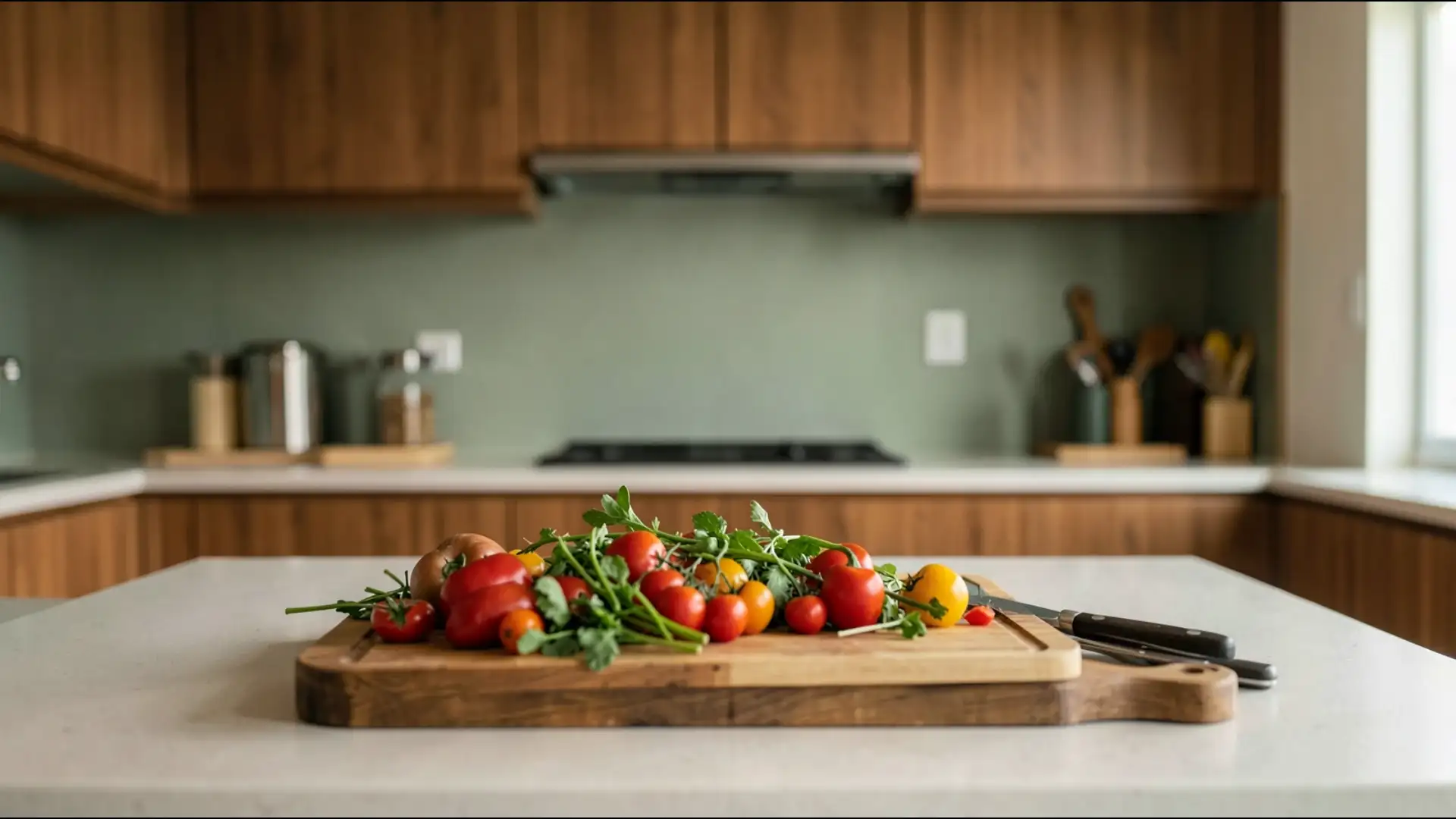
The aim is to alternate tasks and positions where possible, rather than remain fixed for the entire cooking session. Short pauses, sensible storage and a stable working surface can help. Persistent pain, numbness or other symptoms should not be dismissed as ordinary kitchen fatigue and may warrant professional advice. A cushioned mat may help, if it stays stable and does not create a trip hazard.
If the work surface is too high or low for comfortable use, consider a different task position or a stable work area.
A cushioned mat may feel more comfortable on a hard floor, but it must lie flat and remain stable. Wear footwear that fits well and provides secure support. Do not assume a particular shoe or mat will resolve pain for everyone.
Kitchen ergonomics is about adapting the space and routine to the person, not forcing the body into a perfect posture. Small changes to storage, task order and movement can make cooking more comfortable. Review the setup occasionally as household needs or physical abilities change.
The aim is to alternate tasks and positions where possible, rather than remain fixed for the entire cooking session. Short pauses, sensible storage and a stable working surface can help. Persistent pain, numbness or other symptoms should not be dismissed as ordinary kitchen fatigue and may warrant professional advice. A cushioned mat may help, if it stays stable and does not create a trip hazard.
Arrange frequently used items within reach
Place the chopping board, utensils and ingredients used most often where they can be reached without repeated twisting or leaning. Store heavier cookware at a height that allows it to be lifted safely, rather than above shoulder level or close to the floor. A clear counter also reduces the need to work around clutter while handling hot pans or sharp tools.If the work surface is too high or low for comfortable use, consider a different task position or a stable work area.
Vary the way you stand
Keep your weight balanced and avoid locking the knees for long periods. Where practical, shift between standing, sitting for preparation tasks and moving briefly around the kitchen. A footrest may allow one foot to rest briefly, if it does not obstruct movement.A cushioned mat may feel more comfortable on a hard floor, but it must lie flat and remain stable. Wear footwear that fits well and provides secure support. Do not assume a particular shoe or mat will resolve pain for everyone.
Break up long cooking sessions
While a pot simmers safely, you might sit to peel vegetables or organise the next step. Reorganising the workflow can reduce the amount of time spent standing in one fixed position.Notice symptoms rather than pushing through
Ordinary tiredness may ease after changing position or resting, but persistent pain, numbness, swelling or weakness deserves attention. Avoid diagnosing the cause based only on where discomfort appears. If symptoms continue, worsen or interfere with daily activities, seek advice from a qualified health professional.Kitchen ergonomics is about adapting the space and routine to the person, not forcing the body into a perfect posture. Small changes to storage, task order and movement can make cooking more comfortable. Review the setup occasionally as household needs or physical abilities change.
Next Story