
Laser Resurfacing on Old Scars: What It Can and Cannot Fix

Old scars are not frozen tissue. Even years after a wound closes, the collagen inside a scar continues to remodel slowly, and laser resurfacing works by accelerating that process in a controlled way. Understanding what the laser actually does to scar tissue is the fastest route to realistic expectations.
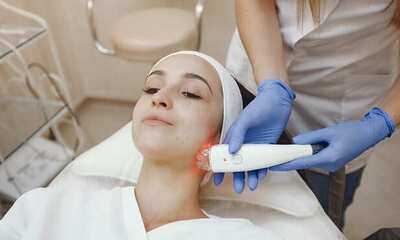
What the Laser Is Actually DoingAblative and fractional lasers work by delivering precise thermal energy to the dermis, the deeper structural layer of skin beneath the surface. In fractional delivery, thousands of microscopic columns of heat are driven into the tissue while leaving surrounding skin intact. The controlled injury triggers the wound-healing cascade: fibroblasts are recruited, collagen synthesis restarts, and the disorganised, cross-linked collagen that gives scar tissue its rigid texture begins to be broken down and replaced with more organised fibres. The process is not instant. Collagen remodelling after a laser session continues for three to six months, which is why results are assessed at the six-month mark, not at six weeks.
Which Scars Respond and WhyAtrophic scars, the depressed, pitted type most commonly associated with acne, respond best. Because the scar sits below the surrounding skin surface, the thermal stimulation of new collagen can partially fill the depression from below. Rolling scars, which have a broad, undulating base, tend to show more improvement than icepick scars, which are narrow, deep, and extend into the lower dermis or subcutaneous fat. Icepick scars often need a different approach, punch excision or subcision, before or alongside laser treatment, because the laser's remodelling effect cannot reach the full depth of the defect. Hypertrophic scars, which are raised and remain within the original wound boundary, also respond to laser, though the mechanism differs: here, the goal is to reduce excess collagen deposition rather than stimulate new formation. Keloid scars are a separate category. Laser on a keloid carries a real risk of stimulating further growth. Any treatment of a keloid requires specialist assessment, and laser is not a first-line option.
What the Session Involves and What Recovery Looks LikeFractional ablative laser, CO2 or erbium:YAG are the most commonly used in Indian dermatology clinics, typically requires topical anaesthetic applied thirty to sixty minutes before the procedure. The session itself runs between fifteen and forty-five minutes depending on the area. Immediately after, the skin looks red and feels like a moderate sunburn. Swelling peaks at forty-eight to seventy-two hours. Peeling follows over the next week. Most people are comfortable returning to work within seven to ten days after fractional ablative treatment; fully ablative resurfacing carries a longer recovery of two to three weeks. Sun exposure during the recovery window is a meaningful risk for post-inflammatory hyperpigmentation, which is more common in Indian skin tones. A dermatologist should discuss this specifically before any session is booked. Most scar-remodelling protocols involve three to five sessions spaced six to eight weeks apart, though the number varies by scar type, depth, and how the skin responds after the first session.
Who Should Not Have This TreatmentActive acne is a contraindication: laser on inflamed skin can spread bacterial infection and worsen scarring. Anyone on isotretinoin, or who has stopped it within the past six to twelve months, depending on the dermatologist's assessment, is typically advised to wait, because isotretinoin alters wound healing. People with a personal or family history of keloids should discuss that history before any laser procedure. Darker skin tones require a conservative approach and an experienced practitioner, because the risk of post-inflammatory hyperpigmentation and uneven pigmentation increases with aggressive settings. This is not a reason to avoid the treatment; it is a reason to choose a dermatologist with documented experience treating Indian skin phototypes. Laser resurfacing is also not appropriate for anyone with active cold sores around the mouth, as the procedure can trigger a herpes simplex outbreak in the treated area, antiviral prophylaxis is standard practice for people with a history of oral herpes.
The Honest CeilingImprovement, not erasure, is the realistic frame. Clinical evidence supports meaningful reduction in scar depth and texture, most people with atrophic acne scarring see somewhere between thirty and seventy percent improvement across a full course of treatment, with wide individual variation. The range is that wide because scar depth, skin type, age of the scar, and the specific laser protocol all interact. A scar that has been present for decades has more disorganised collagen to remodel, but it is not beyond reach, older scars can still respond, just more gradually. What laser cannot do is restore the original skin architecture. The hair follicles and sweat glands that were destroyed when the wound formed do not regenerate. The treated area will look and feel smoother, but it will not be identical to unscarred skin. That distinction matters before committing to the cost and the recovery time. A dermatologist who shows you a spectrum of outcomes rather than only the best results is giving you the more useful consultation.
Discover expert advice and the latest updates in Skin Care, Hair Care, Wellness, Dermatology, and more at Stay Young guide to lasting beauty and holistic health!
What the Laser Is Actually DoingAblative and fractional lasers work by delivering precise thermal energy to the dermis, the deeper structural layer of skin beneath the surface. In fractional delivery, thousands of microscopic columns of heat are driven into the tissue while leaving surrounding skin intact. The controlled injury triggers the wound-healing cascade: fibroblasts are recruited, collagen synthesis restarts, and the disorganised, cross-linked collagen that gives scar tissue its rigid texture begins to be broken down and replaced with more organised fibres. The process is not instant. Collagen remodelling after a laser session continues for three to six months, which is why results are assessed at the six-month mark, not at six weeks.
Which Scars Respond and WhyAtrophic scars, the depressed, pitted type most commonly associated with acne, respond best. Because the scar sits below the surrounding skin surface, the thermal stimulation of new collagen can partially fill the depression from below. Rolling scars, which have a broad, undulating base, tend to show more improvement than icepick scars, which are narrow, deep, and extend into the lower dermis or subcutaneous fat. Icepick scars often need a different approach, punch excision or subcision, before or alongside laser treatment, because the laser's remodelling effect cannot reach the full depth of the defect. Hypertrophic scars, which are raised and remain within the original wound boundary, also respond to laser, though the mechanism differs: here, the goal is to reduce excess collagen deposition rather than stimulate new formation. Keloid scars are a separate category. Laser on a keloid carries a real risk of stimulating further growth. Any treatment of a keloid requires specialist assessment, and laser is not a first-line option.
What the Session Involves and What Recovery Looks LikeFractional ablative laser, CO2 or erbium:YAG are the most commonly used in Indian dermatology clinics, typically requires topical anaesthetic applied thirty to sixty minutes before the procedure. The session itself runs between fifteen and forty-five minutes depending on the area. Immediately after, the skin looks red and feels like a moderate sunburn. Swelling peaks at forty-eight to seventy-two hours. Peeling follows over the next week. Most people are comfortable returning to work within seven to ten days after fractional ablative treatment; fully ablative resurfacing carries a longer recovery of two to three weeks. Sun exposure during the recovery window is a meaningful risk for post-inflammatory hyperpigmentation, which is more common in Indian skin tones. A dermatologist should discuss this specifically before any session is booked. Most scar-remodelling protocols involve three to five sessions spaced six to eight weeks apart, though the number varies by scar type, depth, and how the skin responds after the first session.
Who Should Not Have This TreatmentActive acne is a contraindication: laser on inflamed skin can spread bacterial infection and worsen scarring. Anyone on isotretinoin, or who has stopped it within the past six to twelve months, depending on the dermatologist's assessment, is typically advised to wait, because isotretinoin alters wound healing. People with a personal or family history of keloids should discuss that history before any laser procedure. Darker skin tones require a conservative approach and an experienced practitioner, because the risk of post-inflammatory hyperpigmentation and uneven pigmentation increases with aggressive settings. This is not a reason to avoid the treatment; it is a reason to choose a dermatologist with documented experience treating Indian skin phototypes. Laser resurfacing is also not appropriate for anyone with active cold sores around the mouth, as the procedure can trigger a herpes simplex outbreak in the treated area, antiviral prophylaxis is standard practice for people with a history of oral herpes.
The Honest CeilingImprovement, not erasure, is the realistic frame. Clinical evidence supports meaningful reduction in scar depth and texture, most people with atrophic acne scarring see somewhere between thirty and seventy percent improvement across a full course of treatment, with wide individual variation. The range is that wide because scar depth, skin type, age of the scar, and the specific laser protocol all interact. A scar that has been present for decades has more disorganised collagen to remodel, but it is not beyond reach, older scars can still respond, just more gradually. What laser cannot do is restore the original skin architecture. The hair follicles and sweat glands that were destroyed when the wound formed do not regenerate. The treated area will look and feel smoother, but it will not be identical to unscarred skin. That distinction matters before committing to the cost and the recovery time. A dermatologist who shows you a spectrum of outcomes rather than only the best results is giving you the more useful consultation.
Discover expert advice and the latest updates in Skin Care, Hair Care, Wellness, Dermatology, and more at Stay Young guide to lasting beauty and holistic health!
Next Story