
Late-night Diwali parties and delayed dinners: How to enjoy festive indulgence without disrupting your daily eating routine


Diwali celebrations rarely follow the clock. Dinner may get delayed, conversations stretch into the night, and one festive sweet can easily turn into several. Between visiting friends, attending parties and enjoying elaborate meals, regular eating habits often take a back seat. The bigger problem is not eating festive food but how people respond to disrupted meal timings. Skipping breakfast, starving through the day or overeating before bedtime can make the festive season harder on the body. A little planning can help maintain a comfortable balance without taking away the joy of celebrations.
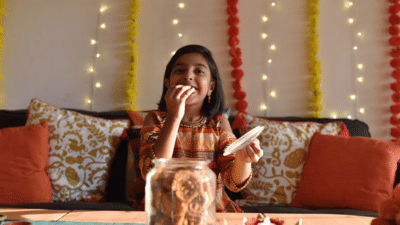
Don't skip meals to make room for a late dinnerSkipping breakfast or lunch to compensate for a heavy Diwali dinner may seem like a sensible adjustment. However, it can leave the body excessively hungry by evening, making it harder to control portions at a party.
Dr Pratyaksha Bhardwaj , world record holder in weight management, advises continuing with regular meals instead of deliberately saving calories for the night. Meals containing protein, fibre and healthy fats can help maintain energy and keep hunger manageable.
Have a small snack before leaving homeWhen dinner gets pushed several hours beyond its usual time, arriving at a party hungry can encourage mindless eating. A light snack before leaving home can help bridge that gap.
A bowl of curd with fruit, a handful of nuts, sprouts or roasted chana are practical options. The idea is not to eat a second dinner but to avoid reaching the celebration feeling ravenous.
Enjoy festive food, but pay attention to portionsCompletely avoiding sweets and traditional Diwali dishes can make celebrations unnecessarily restrictive. But eating continuously throughout the evening can leave the stomach uncomfortable, particularly when bedtime follows soon after.
Dr Bhardwaj recommends enjoying favourite festive dishes in smaller portions and eating slowly. A balanced plate with vegetables, protein and a little of the festive food being served can offer a more practical approach than choosing between strict dieting and overeating.
Keep water close and limit late-night caffeineLong conversations and celebrations can make people forget to drink water. Sugary beverages may also become an easy choice during parties. Water is a sensible everyday option for staying hydrated.
Caffeine deserves attention too. Coffee, strong tea and other caffeinated drinks late in the evening may interfere with sleep, particularly in people who are sensitive to caffeine.
Return to routine without punishing the bodyA late dinner or an extra serving of sweets does not undo an otherwise balanced lifestyle. There is little value in responding to one indulgent evening with prolonged fasting or extreme exercise the following day.
Dr Bhardwaj advises returning to nutritious, balanced meals and regular physical activity without unnecessary guilt. Restoring a healthy sleep schedule is equally important after a late night.
Diwali is meant to bring people together, not turn every meal into a test of discipline. Planning snacks, maintaining regular meals and enjoying festive dishes mindfully can make celebrations more comfortable. The goal is not a perfect eating schedule but a routine that can accommodate occasional celebrations without becoming a source of stress.
Disclaimer: This article is for general health awareness and does not replace personalised dietary advice. People with diabetes, digestive conditions or other medical concerns should follow their healthcare professional's dietary recommendations.
Next Story