
10 Leafy Green Vegetables That Are Perfect for Healthy Winter Meals

Winter is an excellent time to enjoy a variety of fresh leafy green vegetables. Many greens become widely available in Indian markets during the cooler months, offering plenty of options for everyday cooking. From traditional sarson ka saag and methi parathas to simple spinach curries and vegetable soups, these ingredients can make seasonal meals both nutritious and flavourful. Leafy greens provide important nutrients, including fibre, vitamins and minerals, while adding colour and variety to the plate. Here are ten leafy green vegetables worth including in your winter meal routine.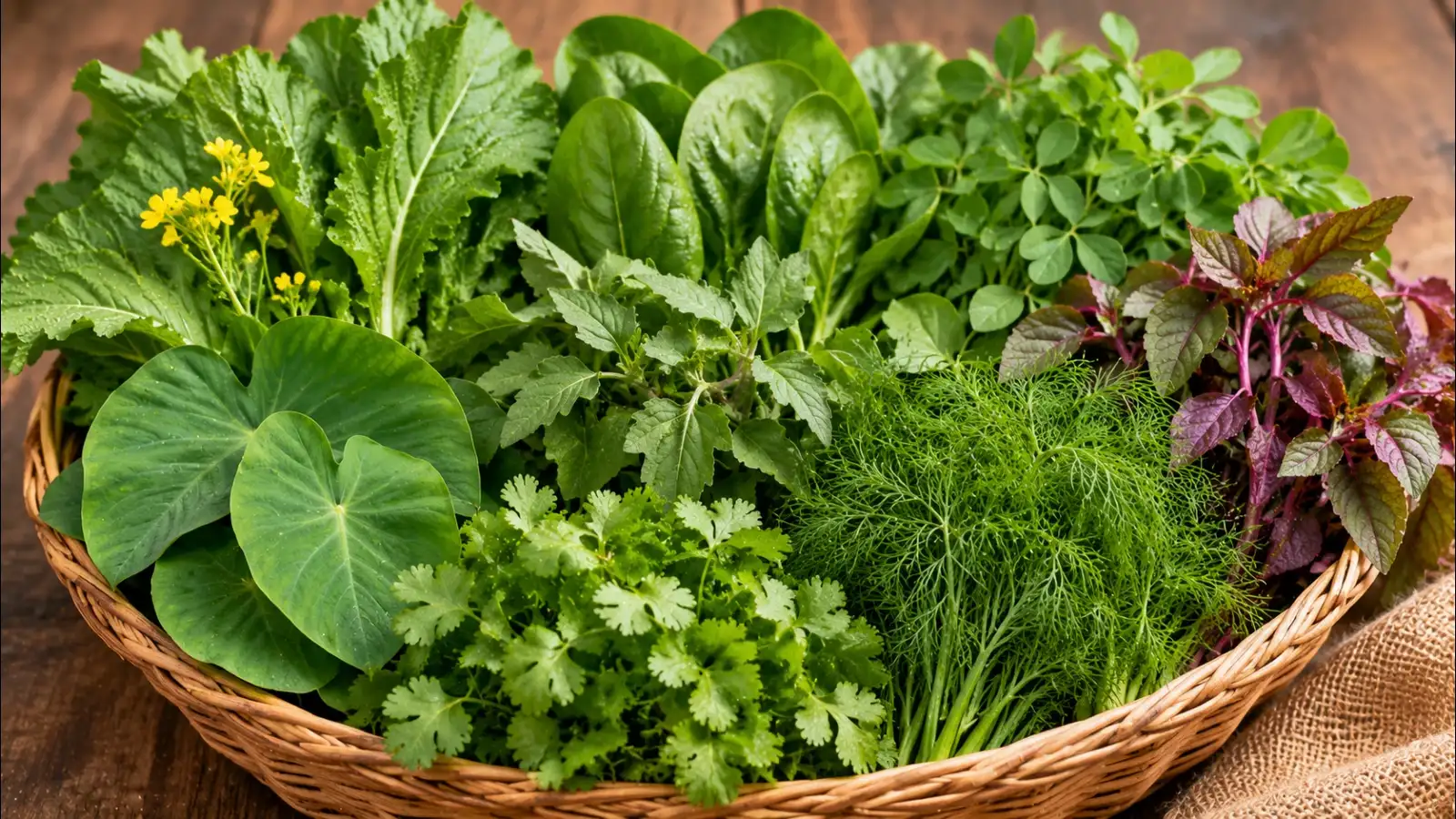
They contain vitamins A, C and K, along with fibre and other nutrients. Cook them with spinach, bathua and mild spices for a flavourful preparation. They also pair well with makki ki roti.
It provides folate, iron, vitamin K and other nutrients. Pairing spinach with ingredients rich in vitamin C, such as tomatoes or lemon juice, can help the body absorb its plant-based iron more effectively.
Fenugreek leaves provide fibre and several vitamins and minerals. Their strong flavour works particularly well with potatoes, peas, yoghurt and Indian spices.
The leaves provide fibre, vitamins and minerals. Their mild earthy flavour makes them suitable for combining with spinach or mustard greens. Bathua can also be added to lentil-based dishes for extra variety.
These leaves contain fibre, folate and minerals. Cook them with garlic, cumin and a little chilli for an easy side dish that complements roti and rice.
They work well with peas, potatoes and paneer. Use moderate quantities if you prefer a milder taste, as fenugreek has a naturally strong flavour.
They contain fibre and vitamins, including vitamin C and vitamin K. Wash them thoroughly to remove soil, remove damaged portions and cook them until tender before serving.
Dill adds flavour without requiring heavy seasoning. It can be cooked with potatoes, moong dal or peas to create a simple winter side dish.
They also form the base of green chutney and can be mixed into paratha dough. Although usually used in smaller quantities, coriander leaves add flavour and some vitamins to everyday meals.
These leaves should never be eaten raw. Proper preparation and thorough cooking are important because raw or inadequately cooked colocasia leaves contain irritating calcium oxalate crystals.
Leafy green vegetables offer an easy way to bring seasonal variety and nutrition to winter meals. From mustard greens and spinach to bathua, methi and radish leaves, each vegetable has its own flavour and culinary uses. Including different greens throughout the week can make everyday meals more interesting while helping you enjoy the seasonal produce available during winter. Choose fresh leaves, wash them properly and prepare them in ways that suit your regular food preferences.
1. Mustard Greens (Sarson)
Mustard greens are among the most popular winter vegetables in North India. Their slightly sharp flavour makes them an essential ingredient in the traditional Punjabi dish, sarson ka saag.They contain vitamins A, C and K, along with fibre and other nutrients. Cook them with spinach, bathua and mild spices for a flavourful preparation. They also pair well with makki ki roti.
2. Spinach (Palak)
Spinach is a versatile leafy vegetable that can be used in several winter recipes. It is commonly added to palak paneer, dal palak, soups, parathas and vegetable pulao.It provides folate, iron, vitamin K and other nutrients. Pairing spinach with ingredients rich in vitamin C, such as tomatoes or lemon juice, can help the body absorb its plant-based iron more effectively.
3. Fenugreek Leaves (Methi)
Fresh methi leaves are widely available during winter and have a distinctive slightly bitter taste. They are commonly used in methi parathas, theplas, aloo methi and mixed vegetable preparations.Fenugreek leaves provide fibre and several vitamins and minerals. Their strong flavour works particularly well with potatoes, peas, yoghurt and Indian spices.
4. Bathua
Bathua, also known as Chenopodium or lamb's quarters, is a popular seasonal leafy green in North India. It is often used to prepare bathua raita, saag, parathas and traditional curries.The leaves provide fibre, vitamins and minerals. Their mild earthy flavour makes them suitable for combining with spinach or mustard greens. Bathua can also be added to lentil-based dishes for extra variety.
5. Amaranth Leaves (Chaulai)
Amaranth leaves, commonly called chaulai, are used in many Indian regional cuisines. They come in green and reddish varieties and can be prepared as a simple stir-fry, dal or curry.These leaves contain fibre, folate and minerals. Cook them with garlic, cumin and a little chilli for an easy side dish that complements roti and rice.
6. Fenugreek Sprouts and Tender Greens
Tender fenugreek greens are especially useful for adding a fresh, aromatic flavour to everyday meals. While mature methi leaves are more commonly used in traditional recipes, younger leaves can also be added to vegetable dishes and parathas.They work well with peas, potatoes and paneer. Use moderate quantities if you prefer a milder taste, as fenugreek has a naturally strong flavour.
7. Radish Leaves (Mooli Ke Patte)
Radish leaves are often discarded, although they can be used in several nutritious preparations. Their slightly peppery flavour makes them suitable for saag, parathas, stir-fries and dal.They contain fibre and vitamins, including vitamin C and vitamin K. Wash them thoroughly to remove soil, remove damaged portions and cook them until tender before serving.
8. Dill Leaves (Suva)
Dill leaves, known as suva in several parts of India, have a fresh, distinctive aroma. They are used in regional dishes such as suva bhaji, lentil preparations and vegetable stir-fries.Dill adds flavour without requiring heavy seasoning. It can be cooked with potatoes, moong dal or peas to create a simple winter side dish.
9. Coriander Leaves (Dhania)
Coriander leaves are available throughout much of the year, but they are especially useful in winter cooking. Their fresh aroma makes them a popular finishing ingredient for soups, dals, curries and vegetable dishes.They also form the base of green chutney and can be mixed into paratha dough. Although usually used in smaller quantities, coriander leaves add flavour and some vitamins to everyday meals.
10. Colocasia Leaves (Arbi Ke Patte)
Colocasia leaves are used in traditional preparations across several Indian regions. They are commonly made into patra or alu vadi, where the leaves are layered with a spiced gram flour mixture, rolled and cooked.These leaves should never be eaten raw. Proper preparation and thorough cooking are important because raw or inadequately cooked colocasia leaves contain irritating calcium oxalate crystals.
How to Include More Leafy Greens in Winter Meals
Adding leafy vegetables to everyday meals does not require complicated recipes. You can follow a few simple ideas:- Add chopped spinach or bathua to dal and khichdi.
- Prepare methi or radish leaf parathas for breakfast.
- Combine mustard greens, spinach and bathua to make mixed saag.
- Add dill or coriander leaves to vegetable soups.
- Prepare simple stir-fries using amaranth or radish leaves.
Leafy green vegetables offer an easy way to bring seasonal variety and nutrition to winter meals. From mustard greens and spinach to bathua, methi and radish leaves, each vegetable has its own flavour and culinary uses. Including different greens throughout the week can make everyday meals more interesting while helping you enjoy the seasonal produce available during winter. Choose fresh leaves, wash them properly and prepare them in ways that suit your regular food preferences.
Next Story