
Bid Farewell to Sticky Idlis: 4 Simple Tips for Effortlessly Removing Idlis from Idli Plates

Idlis, the beloved steamed rice cakes from South India, are not only a culinary delight but also a staple in many households worldwide. However, one common challenge faced by cooks when preparing idlis is the struggle to remove them from the idli plates without sticking or breaking apart. Sticky idlis can be frustrating to deal with and may not present the perfect presentation you desire. But fear not! With a few easy tips and tricks, you can ensure that your idlis slide out of the plates effortlessly , leaving you with perfectly formed and intact delicacies. Here are four simple tips to bid farewell to sticky idlis: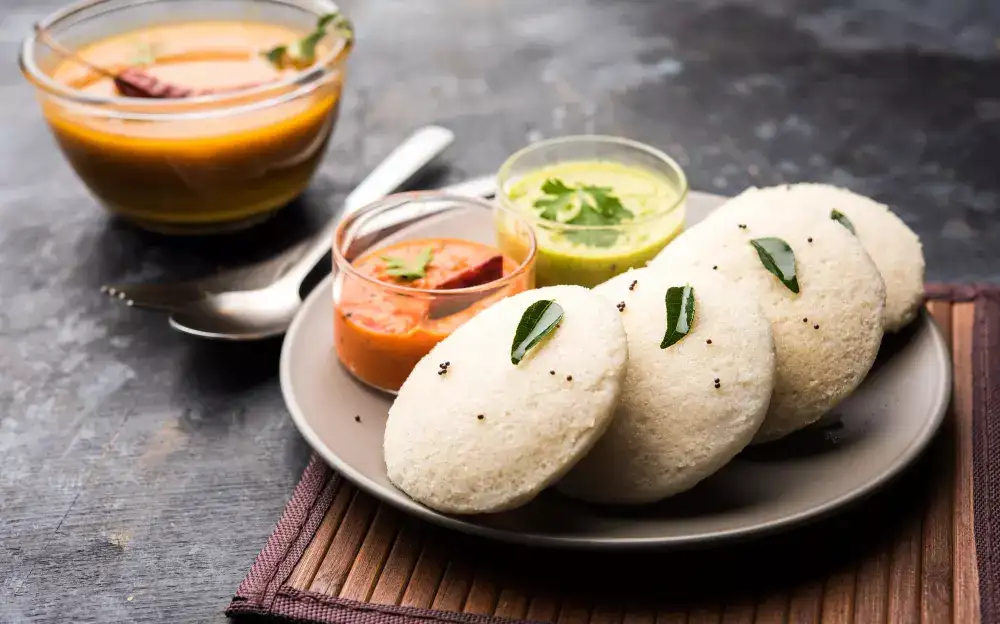
Proper Greasing :
Before pouring the idli batter into the plates, ensure that they are adequately greased to prevent sticking. You can use oil or ghee to grease the idli molds thoroughly. Pay special attention to the corners and edges where the idlis tend to stick the most. A well-greased surface forms a protective barrier, allowing the idlis to release smoothly after steaming.
Use a Non-Stick Cooking Spray :
If you find traditional greasing methods insufficient, consider using a non-stick cooking spray for added convenience. Simply spray a light coating of the cooking spray onto the idli plates before pouring the batter. Non-stick cooking sprays are specifically formulated to prevent food from sticking to the surface, making it easier to remove the idlis without any residue.
Allow Sufficient Cooling Time :
After steaming the idlis to perfection, resist the urge to remove them from the plates immediately. Allow the idlis to cool down slightly within the plates for a few minutes. This brief cooling period helps the idlis to firm up and loosen from the sides of the molds, making them easier to unmold without sticking. Patience is key here, as rushing the process may result in sticky idlis.
Gentle Removal Technique:
When it's time to remove the idlis from the plates, adopt a gentle and careful approach to prevent them from breaking or sticking. Use a flat spoon or butter knife to loosen the edges of the idlis gently. Start from the outer edges and work your way towards the center, ensuring that each idli is free from the mold before lifting it out. Avoid applying excessive force, as this may cause the idlis to lose their shape or stick to the plates.
Proper Greasing :
Before pouring the idli batter into the plates, ensure that they are adequately greased to prevent sticking. You can use oil or ghee to grease the idli molds thoroughly. Pay special attention to the corners and edges where the idlis tend to stick the most. A well-greased surface forms a protective barrier, allowing the idlis to release smoothly after steaming.
Use a Non-Stick Cooking Spray :
If you find traditional greasing methods insufficient, consider using a non-stick cooking spray for added convenience. Simply spray a light coating of the cooking spray onto the idli plates before pouring the batter. Non-stick cooking sprays are specifically formulated to prevent food from sticking to the surface, making it easier to remove the idlis without any residue.
Allow Sufficient Cooling Time :
After steaming the idlis to perfection, resist the urge to remove them from the plates immediately. Allow the idlis to cool down slightly within the plates for a few minutes. This brief cooling period helps the idlis to firm up and loosen from the sides of the molds, making them easier to unmold without sticking. Patience is key here, as rushing the process may result in sticky idlis.
Gentle Removal Technique:
When it's time to remove the idlis from the plates, adopt a gentle and careful approach to prevent them from breaking or sticking. Use a flat spoon or butter knife to loosen the edges of the idlis gently. Start from the outer edges and work your way towards the center, ensuring that each idli is free from the mold before lifting it out. Avoid applying excessive force, as this may cause the idlis to lose their shape or stick to the plates.
Next Story