
Life-Saving Medical Skills Everyone Must Know: What to Do If Someone Suddenly Faints or Suffers a Heart Attack


Medical emergencies rarely come with advance warning, and when a health crisis strikes away from the immediate reach of a hospital, every second counts. Whether it is a sudden cardiac arrest, an unexpected fainting spell, a stroke, or a severe accident, the actions taken by bystanders during those crucial first few minutes often mean the difference between life and death.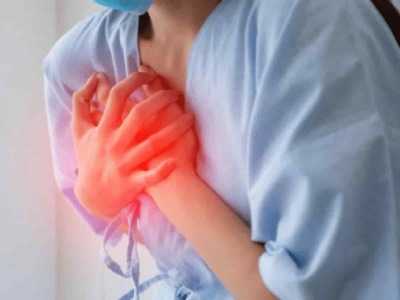 Medical experts emphasize that basic emergency response is no longer just for doctors and paramedics; possessing fundamental first aid and life-saving medical skills should be an essential life competency for every individual.Understanding the Golden Hour and the Critical Importance of "Door-to-Balloon Time"When a person experiences severe chest pain or sudden cardiac symptoms, rapid medical intervention is paramount. According to clinical protocols, minimizing "door-to-balloon time"—the duration from a patient arriving at a hospital to undergoing an emergency angiography to open blocked coronary arteries—minimizes permanent damage to the heart muscle.Dr. Monica Mahajan, Principal Director of Internal Medicine at Max Hospital in New Delhi, notes that even if symptoms do not immediately point to a heart attack, early hospital evaluation allows doctors to diagnose underlying causes, run ECGs, and avert catastrophic emergencies before they escalate.Basic Life Support (BLS): How to Administer Chest Compressions and Handle Sudden UnconsciousnessIf someone collapses or loses consciousness in public or at home, waiting passively for an ambulance can prove fatal.Learning Basic Life Support (BLS) empowers everyday citizens to step in. If a patient is unstable or unresponsive, administering immediate chest compressions and rescue breathing, when necessary, maintains blood flow to vital organs. Furthermore, bystanders must know how to safely stabilize someone who has collapsed on a roadside to prevent aggravating potential spinal or neck injuries, ensuring proper body alignment during transport while waiting for professional medical help to arrive.Recognizing Stroke and Seizure Symptoms: Crucial First Aid StepsMedical crises extend far beyond heart attacks.In cases of stroke—signaled by slurred speech, sudden confusion, vision changes, or limb weakness—the initial few hours form a critical window where prompt intervention limits permanent brain damage. Similarly, when handling an epileptic seizure, bystanders should clear the area, gently place the individual in a safe posture to prevent physical injury, and turn them slightly to the side if vomiting occurs to prevent choking or aspiration into the lungs. Knowing how to react calmly during burns, electric shocks, choking incidents, heat strokes, or severe allergic reactions ensures you remain an asset rather than a bystander in distress.Essential Components of a Home First Aid Kit: What Every Family NeedsPreparedness begins at home.Every household should maintain a well-stocked first aid kit tailored to the ages and medical needs of family members. A standard emergency kit should include antiseptic lotions, antibiotic creams, sterile bandages, gauze pads, medical tape, and basic over-the-counter medications such as paracetamol and anti-allergic tablets. For households with elderly members or individuals with known cardiovascular conditions, keeping emergency medications like aspirin or doctor-prescribed heart tablets readily accessible is vital.By educating ourselves through online tutorials, community workshops, and school-level first aid training, we can transform our communities into safer, more resilient environments capable of handling unexpected medical emergencies.
Next Story