
Which Lake Is Known As The Lake Of Tears? Here’s The Answer

Loktak Lake , located in the north-eastern state of Manipur, is widely known as the “Lake of Tears”. This poetic name reflects not only its natural beauty but also the deep emotional and cultural connection it holds for the local people.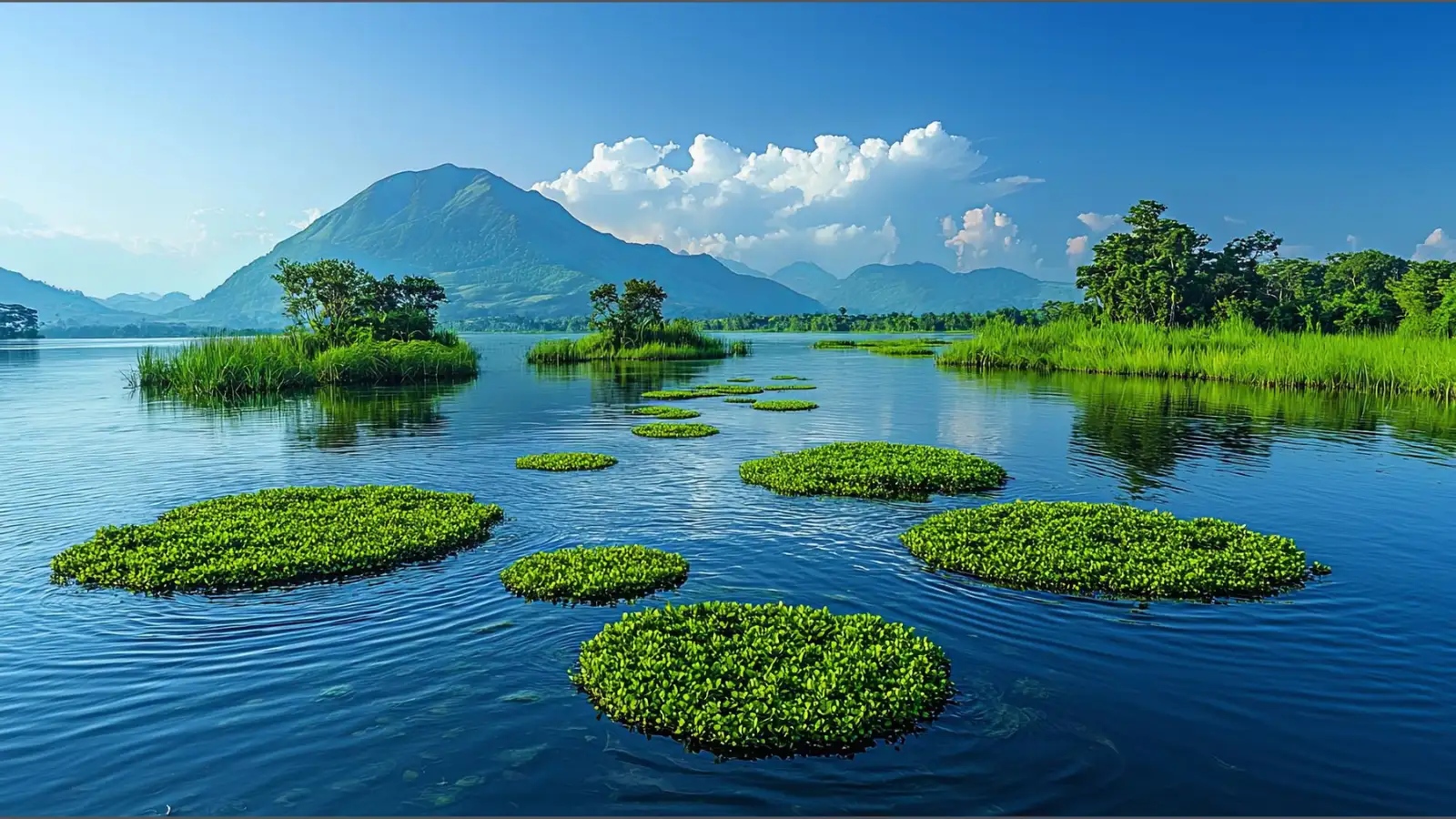
The title “Lake of Tears” comes from ancient legends and stories passed down through generations. According to local folklore, the lake symbolises grief, love, and resilience. It is believed that people once mourned their loved ones lost in wars and natural calamities along its shores, and over time, the lake came to represent their silent sorrow. Even today, Loktak Lake is seen as more than just a water body, it is a living memory of the region’s emotional history.
Read More: Which Stunning Lake Is Called The Jewel Of Kashmir?
Beyond its cultural significance, Loktak Lake is an ecological wonder. It is the largest freshwater lake in Northeast India and is famous for its floating islands , known as phumdis. These masses of vegetation, soil, and organic matter drift across the water, creating a landscape that constantly changes with the seasons. This unique feature makes Loktak Lake one of the most remarkable freshwater lake India destinations.
Adding to its global importance is Keibul Lamjao National Park , the world’s only floating national park, located within the lake. This extraordinary ecosystem rests entirely on phumdis and is home to the endangered Sangai deer , often called the “dancing deer”. The presence of such rare wildlife highlights the lake’s role in biodiversity and conservation.
Read More: The Five Flower Lake: Find Out Which Lake It Is
Loktak Lake is also known as the lifeline of Manipur. Thousands of people depend on it for fishing, agriculture, and daily water needs. Its importance extends to hydropower generation and tourism, making it a crucial natural resource for the region.
Loktak Lake beautifully blends emotion, ecology, and livelihood. Its identity as the Lake of Tears reflects not just sorrow, but also strength and survival. From its floating islands to its cultural depth, Loktak Lake stands as one of India’s most fascinating and meaningful natural treasures.
The title “Lake of Tears” comes from ancient legends and stories passed down through generations. According to local folklore, the lake symbolises grief, love, and resilience. It is believed that people once mourned their loved ones lost in wars and natural calamities along its shores, and over time, the lake came to represent their silent sorrow. Even today, Loktak Lake is seen as more than just a water body, it is a living memory of the region’s emotional history.
Read More: Which Stunning Lake Is Called The Jewel Of Kashmir?
You may also like
- Chaitra Purnima 2026: Key Dates and Rituals Explained
- Celebrating Hanuman Jayanti 2026: Significance and Rituals
- From watering plants to packing bags: Raising kids who take ownership
- Shweta Tiwari Stuns Fans with Gorgeous New Photos
- Full list of people with disabilities who qualify automatically for Motability car
Beyond its cultural significance, Loktak Lake is an ecological wonder. It is the largest freshwater lake in Northeast India and is famous for its floating islands , known as phumdis. These masses of vegetation, soil, and organic matter drift across the water, creating a landscape that constantly changes with the seasons. This unique feature makes Loktak Lake one of the most remarkable freshwater lake India destinations.
Adding to its global importance is Keibul Lamjao National Park , the world’s only floating national park, located within the lake. This extraordinary ecosystem rests entirely on phumdis and is home to the endangered Sangai deer , often called the “dancing deer”. The presence of such rare wildlife highlights the lake’s role in biodiversity and conservation.
Read More: The Five Flower Lake: Find Out Which Lake It Is
Loktak Lake is also known as the lifeline of Manipur. Thousands of people depend on it for fishing, agriculture, and daily water needs. Its importance extends to hydropower generation and tourism, making it a crucial natural resource for the region.
Loktak Lake beautifully blends emotion, ecology, and livelihood. Its identity as the Lake of Tears reflects not just sorrow, but also strength and survival. From its floating islands to its cultural depth, Loktak Lake stands as one of India’s most fascinating and meaningful natural treasures.






More from our partners


Loving Newspoint? Download the app now
