
Long-Term Health Effects of Heat Waves: How Extreme Heat Impacts Your Body Over Time

As global temperatures climb, heat waves are no longer rare events. But beyond sunburns and sweat, extreme heat is taking a serious toll on our health - not just in the moment, but in ways that linger far longer. Medical experts warn that repeated exposure to high temperatures can cause complications ranging from mild discomfort to life-threatening conditions, especially for those already battling chronic illnesses.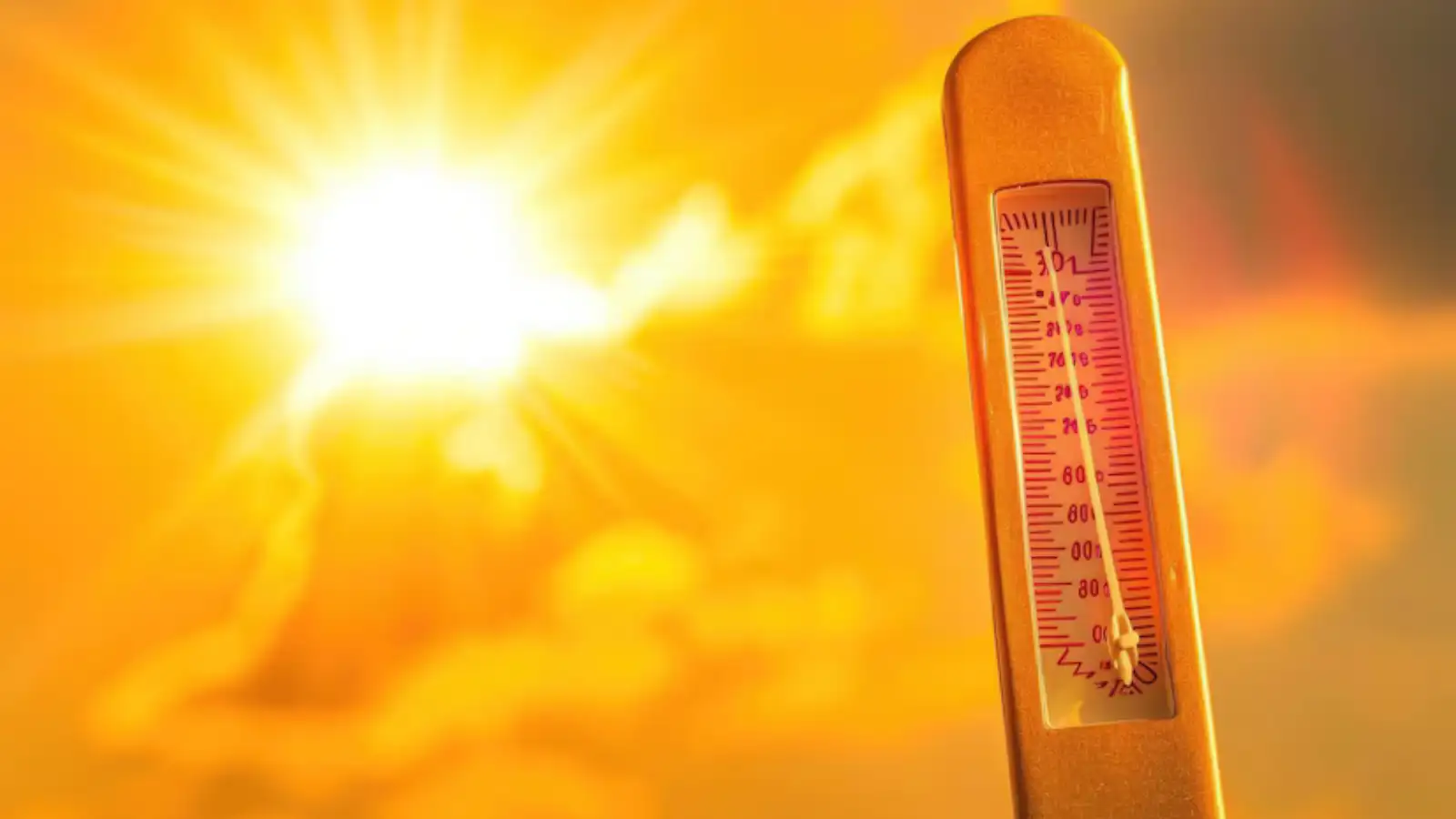
The Body’s Struggle with Heat
When temperatures soar, our bodies work overtime to stay cool. But if the heat overwhelms the body's cooling systems, trouble begins.
Long-Term Health Risks You Can’t Ignore
It’s not just about feeling faint or fatigued. Heat waves can quietly worsen many chronic health issues:
Serious Neurological and Muscular Complications
Heat can affect your brain and muscles in dangerous ways.
Spot the Danger Early
Knowing when your body is in distress can save your life.
If someone shows signs of confusion, collapse, or has a temperature above 104°F, seek emergency medical help immediately. Medical care may include IV fluids and close monitoring of vital signs.
How to Beat the Heat Safely
Stay one step ahead of heat-related illnesses with these preventive steps:
💧 Keep Hydrated: Drink water regularly. Skip alcohol and caffeine.
👕 Dress Light: Wear airy, breathable fabrics.
🌇 Avoid Peak Heat Hours: Schedule outdoor work or workouts during early mornings or evenings.
🚗 Stay Out of Hot Cars: Never sit in enclosed, poorly ventilated areas.
🚨 Know the Warning Signs: Act fast if you feel unwell.
Heat waves aren’t just a seasonal nuisance - they’re a growing health threat. Being informed, staying alert, and acting quickly can make all the difference. For those with underlying health conditions, caution during extreme heat is not optional - it’s essential.
The Body’s Struggle with Heat
When temperatures soar, our bodies work overtime to stay cool. But if the heat overwhelms the body's cooling systems, trouble begins.
- Initial signs include skin rashes, swelling, dizziness, heavy sweating, or muscle cramps.
- As exposure continues, heat exhaustion or heat stroke can follow, marked by headaches, breathlessness, confusion, or dangerously high body temperatures.
- Heat stroke, in particular, is a medical emergency and needs immediate care.
Long-Term Health Risks You Can’t Ignore
It’s not just about feeling faint or fatigued. Heat waves can quietly worsen many chronic health issues:
You may also like
- Quote of the day by Helen Keller: “Life is either a daring adventure or nothing”; the travel lesson from a woman who travelled across 35 countries without sight or sound
- At 92, Hyderabad gynaecologist Dr Suri Srimathi still performs surgeries after six decades in medicine: 'We cannot refuse to treat people when they need help', she says
- How Will the Mumbai-Ahmedabad Bullet Train Stop Safely at 320 km/h During an Earthquake?
- Kitchen Cleaning Tips: How to clean the gap between the gas stove and the stove? Note this 1 trick.
- Rubella Virus in Jharkhand: Rubella virus found in Jharkhand; learn about its symptoms and prevention methods
- Heart Conditions: Heat puts added stress on the heart, increasing the risk of heart attacks and strokes.
- Respiratory Issues: People with asthma or COPD may experience flare-ups, especially when heat is combined with air pollution.
- Kidney Problems: Dehydration can strain the kidneys, making existing issues worse.
- Diabetes: Blood sugar regulation becomes tougher, raising the risk of complications.
Serious Neurological and Muscular Complications
Heat can affect your brain and muscles in dangerous ways.
- Symptoms like headaches, nausea, blurred vision, or fatigue may progress into severe conditions such as seizures, brain swelling, or even muscle breakdown (rhabdomyolysis).
- In extreme cases, this can lead to acute kidney injury if not treated promptly.
Spot the Danger Early
Knowing when your body is in distress can save your life.
- Watch for signs like dry mouth, dark-colored urine, weakness, or dizziness.
- Move to a cooler place, hydrate with water or electrolyte drinks, and cool the body with fans or cold compresses.
If someone shows signs of confusion, collapse, or has a temperature above 104°F, seek emergency medical help immediately. Medical care may include IV fluids and close monitoring of vital signs.
How to Beat the Heat Safely
Stay one step ahead of heat-related illnesses with these preventive steps:
💧 Keep Hydrated: Drink water regularly. Skip alcohol and caffeine.
👕 Dress Light: Wear airy, breathable fabrics.
🌇 Avoid Peak Heat Hours: Schedule outdoor work or workouts during early mornings or evenings.
🚗 Stay Out of Hot Cars: Never sit in enclosed, poorly ventilated areas.
🚨 Know the Warning Signs: Act fast if you feel unwell.
Heat waves aren’t just a seasonal nuisance - they’re a growing health threat. Being informed, staying alert, and acting quickly can make all the difference. For those with underlying health conditions, caution during extreme heat is not optional - it’s essential.






Loving Newspoint? Download the app now
