
Growing Lucky Bamboo at Home? Simple Care Tips to Keep It Green and Healthy

Lucky bamboo is a popular indoor plant known for its slender green stems, attractive leaves and ability to grow in relatively small spaces. It is often placed on office desks, shelves, bedside tables and living room corners because it adds a touch of greenery without requiring a large garden. Many people also associate lucky bamboo with good fortune and positive energy, making it a popular choice for home decor and gifting. Despite its reputation as an easy-care plant, it still needs the right growing conditions to remain healthy. Understanding its light, water and maintenance requirements can help you avoid yellow leaves, weak growth and other common problems.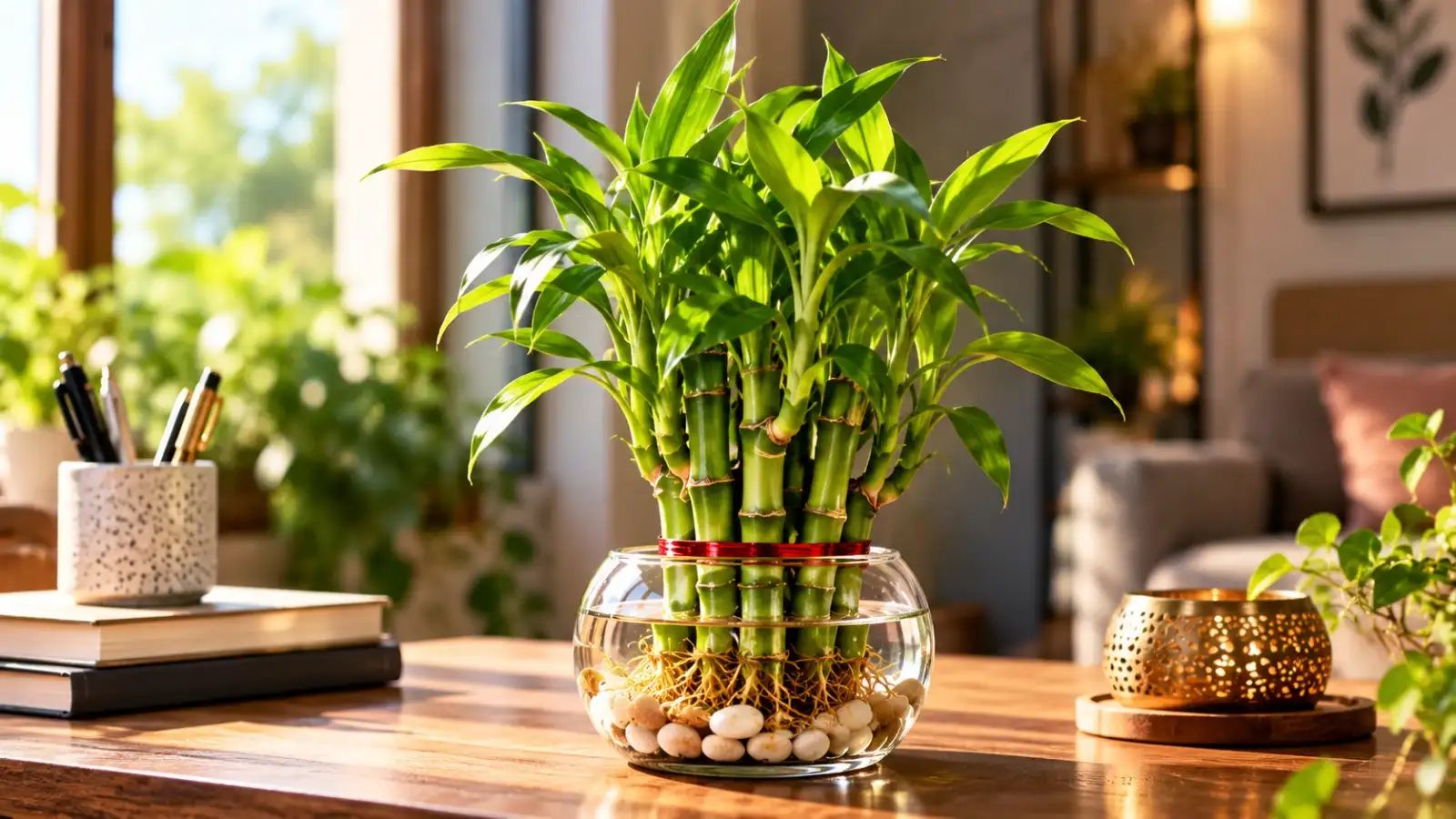
One important detail to know is that lucky bamboo is not actually a true bamboo plant. Its botanical name is Dracaena sanderiana, and it belongs to the Dracaena family. It can grow in water or soil, depending on how it is cultivated. Although it is generally suitable for indoor environments, unsuitable water, excessive sunlight and poor maintenance can affect its health. If you already have this plant or are planning to bring one home, these simple lucky bamboo care tips will help you maintain its appearance and encourage healthy growth.
A spot near a window with filtered light can work well. You can also place it on a bright desk or shelf away from harsh afternoon sunshine. If the leaves begin to look pale or growth becomes weak, the plant may not be receiving enough light.
Direct sunlight can scorch the leaves, leaving them yellow or brown at the edges. On the other hand, keeping lucky bamboo in a very dark corner for extended periods can slow its growth.
Care tip: Rotate the container occasionally so that different sides receive light more evenly. If natural light is limited, a suitable grow light can help support growth.
Change the water approximately every one to two weeks, or sooner if it becomes cloudy, develops an unpleasant smell or contains visible debris. Rinse the container and gently wash the roots when changing the water.
The soil should remain lightly moist but never waterlogged. Constantly wet soil can damage the roots and encourage root rot.
Care tip: Lucky bamboo can be sensitive to chemicals and mineral build-up in tap water. Filtered water or distilled water is often a useful choice, particularly if the leaf tips repeatedly turn brown. If you use tap water, letting it stand overnight does not reliably remove fluoride.
Keep the plant away from cold draughts, air-conditioning vents and sudden temperature changes. Avoid placing it directly beside heaters or other sources of intense heat, as these can dry out the leaves.
Average indoor humidity is often sufficient, although very dry air can contribute to leaf-tip browning. If your room is particularly dry, you can group plants together or use a room humidifier.
Misting the leaves is not essential for healthy growth and should not replace proper watering or suitable environmental conditions.
Growing in water: This method is popular because the roots and stems are visible through a glass container. It is convenient for decorative arrangements, provided the water is changed regularly and the roots remain healthy.
Growing in soil: Soil-grown lucky bamboo can develop more substantial root systems and may grow more vigorously when its watering and growing conditions are suitable. Choose a container with drainage holes and avoid heavy, compacted soil.
If you transfer a water-grown plant into soil, keep the potting mix evenly moist while the plant adjusts. Avoid moving it repeatedly between water and soil, as this can place unnecessary stress on the roots.
Lucky bamboo is also considered toxic to cats and dogs if eaten, so place it somewhere pets cannot chew on the leaves or stems.
If your plant grows in soil, consider repotting it when the roots become crowded or begin emerging from the drainage holes. Choose a pot only slightly larger than the existing one to avoid keeping excess soil wet for too long.
For water-grown plants, repotting is unnecessary in the usual sense, but the container may need cleaning or replacing if it becomes stained or too small for the root system.
Avoid cutting the main stem unnecessarily, as this can permanently change the plant's shape. If you want to propagate lucky bamboo, healthy side shoots can sometimes be rooted separately under suitable conditions.
Lucky bamboo can be a practical choice for anyone looking to add greenery to a home or office without taking on a complicated gardening routine. The key to successful lucky bamboo care is providing bright, indirect light, maintaining suitable water quality and avoiding conditions that leave the roots constantly wet or exposed to harsh sunlight.
Whether you grow it in water or soil, regular observation will help you recognise problems before they become severe. Check the leaves, roots and growing environment whenever you notice a change in appearance. With a clean container, appropriate watering and a suitable indoor location, lucky bamboo can remain an attractive part of your space for a long time.
One important detail to know is that lucky bamboo is not actually a true bamboo plant. Its botanical name is Dracaena sanderiana, and it belongs to the Dracaena family. It can grow in water or soil, depending on how it is cultivated. Although it is generally suitable for indoor environments, unsuitable water, excessive sunlight and poor maintenance can affect its health. If you already have this plant or are planning to bring one home, these simple lucky bamboo care tips will help you maintain its appearance and encourage healthy growth.
1. Choose the Right Light for Lucky Bamboo
Lucky bamboo grows best in bright, indirect light. This means placing it somewhere that receives plenty of natural light without exposing the plant to strong, direct sunlight for long periods.A spot near a window with filtered light can work well. You can also place it on a bright desk or shelf away from harsh afternoon sunshine. If the leaves begin to look pale or growth becomes weak, the plant may not be receiving enough light.
Direct sunlight can scorch the leaves, leaving them yellow or brown at the edges. On the other hand, keeping lucky bamboo in a very dark corner for extended periods can slow its growth.
Care tip: Rotate the container occasionally so that different sides receive light more evenly. If natural light is limited, a suitable grow light can help support growth.
2. How Often Should You Water Lucky Bamboo?
The watering routine depends on whether your lucky bamboo grows in water or soil. Understanding this difference is essential because the two growing methods require different care.If you are growing lucky bamboo in water
Keep the roots submerged, but avoid covering too much of the stem. Use a clean container and add enough water to cover the roots comfortably.Change the water approximately every one to two weeks, or sooner if it becomes cloudy, develops an unpleasant smell or contains visible debris. Rinse the container and gently wash the roots when changing the water.
If you are growing lucky bamboo in soil
Use a pot with drainage holes and a well-draining potting mix. Water when the upper layer of soil begins to feel dry, rather than following a rigid daily schedule.The soil should remain lightly moist but never waterlogged. Constantly wet soil can damage the roots and encourage root rot.
Care tip: Lucky bamboo can be sensitive to chemicals and mineral build-up in tap water. Filtered water or distilled water is often a useful choice, particularly if the leaf tips repeatedly turn brown. If you use tap water, letting it stand overnight does not reliably remove fluoride.
3. Maintain the Right Temperature and Humidity
Lucky bamboo generally prefers warm indoor conditions and does well at typical room temperatures. A range of approximately 18°C to 30°C is suitable for many indoor growing environments.Keep the plant away from cold draughts, air-conditioning vents and sudden temperature changes. Avoid placing it directly beside heaters or other sources of intense heat, as these can dry out the leaves.
Average indoor humidity is often sufficient, although very dry air can contribute to leaf-tip browning. If your room is particularly dry, you can group plants together or use a room humidifier.
Misting the leaves is not essential for healthy growth and should not replace proper watering or suitable environmental conditions.
4. Should You Grow Lucky Bamboo in Water or Soil?
Both methods can work, but each has different maintenance requirements.Growing in water: This method is popular because the roots and stems are visible through a glass container. It is convenient for decorative arrangements, provided the water is changed regularly and the roots remain healthy.
Growing in soil: Soil-grown lucky bamboo can develop more substantial root systems and may grow more vigorously when its watering and growing conditions are suitable. Choose a container with drainage holes and avoid heavy, compacted soil.
If you transfer a water-grown plant into soil, keep the potting mix evenly moist while the plant adjusts. Avoid moving it repeatedly between water and soil, as this can place unnecessary stress on the roots.
5. Common Lucky Bamboo Care Mistakes to Avoid
Even an easy-care plant can struggle when its basic needs are overlooked. Here are some common mistakes to watch out for.Keeping it in direct sunlight
Strong sunlight can scorch the leaves and cause discolouration. Move the plant to a brighter spot with filtered light if the leaves develop dry, brown patches.Using poor-quality water
Water containing high levels of fluoride or dissolved minerals may contribute to brown leaf tips. Try filtered or distilled water if this problem persists, and clean the container regularly.Allowing the water to become dirty
Stagnant, dirty water can encourage bacterial growth and unpleasant smells. Replace the water regularly and remove any decaying plant material.Overwatering soil-grown plants
Lucky bamboo does not need constantly saturated soil. Excess water can reduce the oxygen available to the roots and cause them to rot. Check the soil before watering and ensure excess water can drain away.Ignoring yellow leaves
Yellowing may indicate excessive light, unsuitable water, overwatering, temperature stress or other problems. Examine the plant's growing conditions before making changes rather than assuming that one cause is responsible.Using too much fertiliser
Lucky bamboo generally needs little fertiliser, particularly when grown in water. Excessive feeding can damage the roots and leaves. If fertiliser is necessary, use a suitable product sparingly and follow its label instructions.6. How to Keep Lucky Bamboo Green and Healthy
A few simple habits can make routine care easier.- Remove yellow or dead leaves using clean scissors.
- Keep the container clean and inspect the roots regularly.
- Use filtered light instead of placing the plant in harsh sunshine.
- Check the water level and quality if you grow the plant in a container without soil.
- Use a pot with drainage holes for soil-grown plants.
- Trim excessively long or unwanted shoots with clean tools when necessary.
Lucky bamboo is also considered toxic to cats and dogs if eaten, so place it somewhere pets cannot chew on the leaves or stems.
7. Does Lucky Bamboo Need Frequent Repotting or Trimming?
Lucky bamboo is not a particularly demanding plant when it comes to pruning. Remove damaged leaves as they appear and trim unwanted shoots if the arrangement becomes uneven.If your plant grows in soil, consider repotting it when the roots become crowded or begin emerging from the drainage holes. Choose a pot only slightly larger than the existing one to avoid keeping excess soil wet for too long.
For water-grown plants, repotting is unnecessary in the usual sense, but the container may need cleaning or replacing if it becomes stained or too small for the root system.
Avoid cutting the main stem unnecessarily, as this can permanently change the plant's shape. If you want to propagate lucky bamboo, healthy side shoots can sometimes be rooted separately under suitable conditions.
Lucky bamboo can be a practical choice for anyone looking to add greenery to a home or office without taking on a complicated gardening routine. The key to successful lucky bamboo care is providing bright, indirect light, maintaining suitable water quality and avoiding conditions that leave the roots constantly wet or exposed to harsh sunlight.
Whether you grow it in water or soil, regular observation will help you recognise problems before they become severe. Check the leaves, roots and growing environment whenever you notice a change in appearance. With a clean container, appropriate watering and a suitable indoor location, lucky bamboo can remain an attractive part of your space for a long time.
Next Story