
Luxury Foods Of The Past That Are Now Everyday Staples

In today’s world, a quick trip to the supermarket brings us access to foods that were once reserved only for the elite. From spices to seafood, many ingredients that were once symbols of status, wealth, and exclusivity are now everyday items in our kitchens. These food items have undergone remarkable transformations—thanks to global trade, agricultural innovation, and mass production—turning rare delicacies into household staples.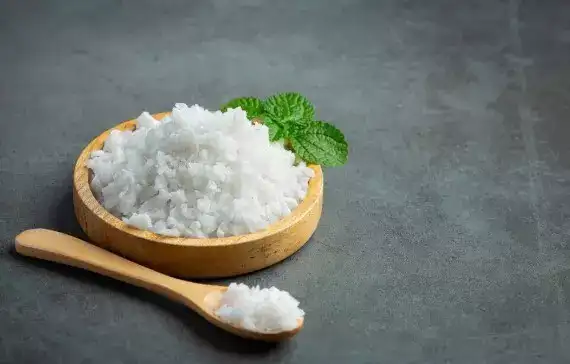
This journey through culinary history reveals how much our relationship with food has changed, and how ingredients once prized like gold are now part of our daily meals.
The transformation of food from rare luxury to common staple is a reflection of social, technological, and economic evolution. What was once confined to royal banquets or aristocratic kitchens is now enjoyed by people from all walks of life. These changes remind us that food is not only about sustenance—it’s also a rich tapestry of history, trade, culture, and shifting values.
This journey through culinary history reveals how much our relationship with food has changed, and how ingredients once prized like gold are now part of our daily meals.
Salt – Once A Precious Commodity, Now A Table Staple
Today, salt is one of the cheapest and most widely available condiments. But centuries ago, it was so valuable that it was used as currency. Roman soldiers were partly paid in salt, and it played a crucial role in food preservation before refrigeration. Entire economies and trade routes were built around it. Today, from iodised salt to Himalayan pink crystals, salt comes in various forms and is accessible to almost everyone.Sugar – The Sweet Symbol Of Wealth
Long before sugar became a pantry essential, it was a rare luxury item used by the rich to sweeten desserts and beverages. In the 17th and 18th centuries, sugar was expensive and often kept locked in ornate containers. It was so prized that it was seen as a status symbol. However, the rise of sugarcane plantations and industrial processing made it widely available—leading to its use in everything from breakfast cereals to fast food.Potatoes – Once Feared, Then Fashionable
Although now a staple in diets across the globe, the humble potato was once considered suspicious and even poisonous when first introduced in Europe. It eventually gained popularity, especially in France and Ireland, where it became an essential food source. Today, potatoes are one of the most consumed foods in the world, appearing in countless forms—from mashed and fried to baked and curried.You may also like
- Brain Health in Your 30s and 40s: Steps That May Support Future Memory
- Why Hindus ring temple bells before praying: The reason goes beyond “waking up God”
- Cluttercore trend: How to embrace personal collections and curated clutter in your home decor
- The Paradise Ticket Prices Hiked in Telangana Ahead of Nani's Release
- How much does it cost to stream everything in UAE? What you need to know
Lobster – From Prison Food To Fine Dining
It may sound hard to believe, but lobster was once so abundant in the American northeast that it was fed to prisoners and servants. In the 18th century, it was considered cheap, undesirable, and often used as fertiliser. Over time, as lobster populations declined and culinary tastes shifted, it transformed into a luxurious delicacy. Today, it graces the menus of high-end restaurants worldwide.Tea – From Royal Ritual To Daily Sip
Tea was once an exotic and expensive beverage, imported at great cost from China to Europe. In 17th-century England, it was consumed by the aristocracy and kept under lock and key. Over time, thanks to the British Empire’s expansion and large-scale tea plantations in India and Sri Lanka, tea became more affordable. Now, it’s a daily ritual for billions—from street-side chai stalls in India to office kettles in the UK.Chocolate – Exclusive Treat Turned Global Favourite
When chocolate first arrived in Europe from the Americas, it was an elite drink consumed by nobility, often mixed with spices and served in high society. Solid chocolate bars came much later, and only after the invention of milk chocolate and modern processing methods did it become widely accessible. Today, from supermarket shelves to vending machines, chocolate is a beloved treat across all classes.Black Pepper – The Original Spice Of Kings
Known as “black gold,” pepper was once so rare and coveted that it was used to pay taxes and rent. In the Middle Ages, it symbolised power and wealth, often locked away in spice cabinets. As global trade expanded, particularly with the opening of sea routes to India, black pepper became more common and eventually landed in nearly every kitchen in the world.Caviar – Not Always A High-Class Treat
While caviar is now synonymous with fine dining, its origins were far more humble. In Russia and parts of Eastern Europe, it was once served as a cheap snack, even fed to workers and peasants. As sturgeon populations decreased and demand rose among elite circles, caviar became a premium item. Still, today you’ll find both luxury and affordable versions on grocery shelves.Bananas – From Exotic Fruit To Lunchbox Staple
Bananas were once considered an exotic delicacy in many Western countries, imported at high cost and reserved for special occasions. With improved transportation, refrigeration, and large-scale cultivation in tropical nations, bananas became one of the most accessible fruits in the world. Today, they’re a daily item in households, lunchboxes, and smoothie bowls.





Loving Newspoint? Download the app now
