
Majuli, Assam: What Travellers Should Know Before Exploring Its River-Island Culture

Set amid the mighty Brahmaputra River, Majuli offers a different kind of travel experience in Assam. Instead of crowded tourist attractions and busy city streets, visitors find open fields, quiet villages, traditional crafts and centuries-old religious institutions. The island is particularly known for its satras, which preserve Assamese spiritual traditions, performing arts, music and theatre.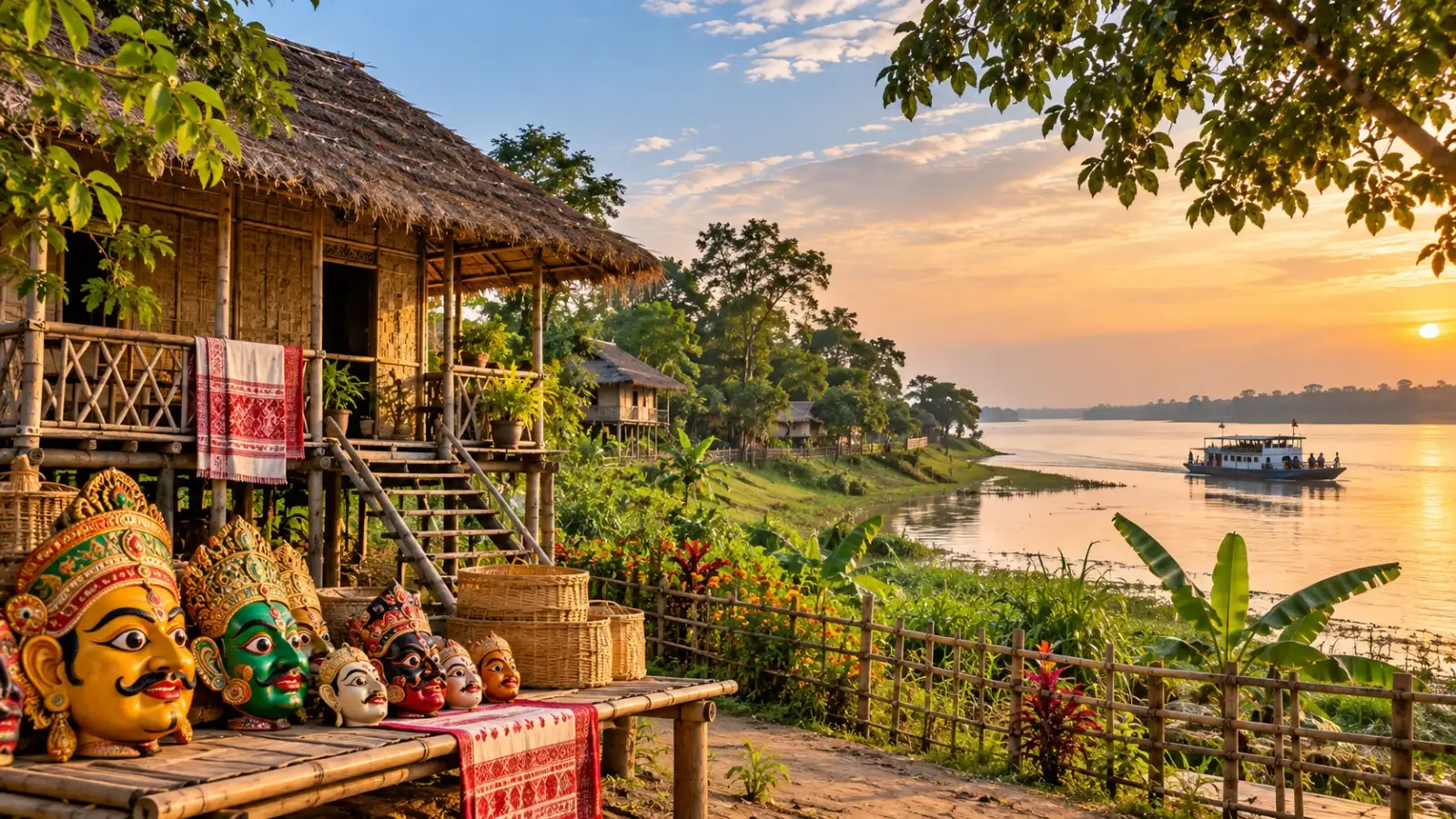
A visit to Majuli is not simply about sightseeing. It is an opportunity to understand how the river, local communities and cultural traditions shape everyday life. From watching artisans create expressive masks to exploring villages associated with indigenous communities, the island rewards travellers who take their time.
Before planning a trip, however, it helps to understand how to reach Majuli , which places deserve attention and what visitors should know about its local customs and changing river conditions.
Unlike destinations where heritage survives mainly in museums, Majuli's cultural traditions remain part of community life. Monasteries continue to support religious practices and artistic learning, while craftspeople pass their skills from one generation to another.
The island is also home to communities including the Mising, Deori and Sonowal Kachari, each with distinct cultural practices. Visitors can learn about traditional housing, weaving, pottery and local food while exploring the rural landscape.
Majuli is also environmentally vulnerable. Riverbank erosion and flooding have affected the island over time, making its landscape and settlement patterns closely connected to the changing Brahmaputra.
Auniati Satra is known for its religious practices, traditional performances and collections of historical objects. Kamalabari Satra has a strong association with Assamese arts and cultural learning, while Dakhinpat Satra is particularly connected with Raas Leela celebrations.
Garamur Satra is another notable institution, especially during the autumn festival season. Each satra has its own history and character, so visitors should avoid treating them as interchangeable tourist attractions.
Remember that these are functioning religious institutions rather than conventional museums. Dress modestly, speak quietly in prayer areas and ask permission before photographing residents, monks or religious activities. Some spaces may have restrictions on photography or visitor access.
Artisans create masks representing characters from stories drawn from Hindu epics and devotional literature. Bamboo, clay, cloth and other materials may be used to build different forms, depending on the design and purpose. Some masks cover the face, while larger creations can represent elaborate characters for theatrical performances.
Watching this work offers a glimpse into the skill and patience involved in traditional craftsmanship. The masks are not merely decorative souvenirs. They have an important role in performances that communicate religious stories and cultural values.
If you wish to purchase a mask or another handmade object, ask about its materials, how it was made and whether the proceeds support local artisans. Buying directly from craftspeople, where possible, can help sustain these traditions.
Mising settlements are particularly associated with traditional stilt houses, commonly known as chang ghar. Raised above the ground, these homes reflect practical responses to local conditions, including seasonal flooding. Their construction, design and use of bamboo and timber offer insights into the relationship between architecture and the environment.
Depending on the village and the people you meet, you may also learn about handloom weaving, agriculture, fishing and the preparation of traditional food. These activities are part of everyday life, not performances arranged solely for visitors.
Arrange village visits respectfully, preferably with local guidance or through a host who has permission to welcome guests. Ask before entering homes, taking photographs or recording conversations. A little patience and genuine interest can make these encounters more meaningful than a rushed sightseeing stop.
A visit to a pottery community can reveal how everyday objects are made, from preparing the clay to shaping and finishing the final product. The experience is especially interesting for travellers who want to understand the practical skills behind traditional handicrafts.
Handloom weaving is another important aspect of local life. Visitors may encounter textiles made using traditional methods and patterns associated with communities across the island. If you plan to buy souvenirs, consider useful handmade products rather than mass-produced items marketed as local crafts.
Always ask before photographing artisans at work. If you want to try a craft yourself, check whether a demonstration or workshop is available and whether a fee applies.
November is particularly interesting for visitors hoping to experience the Raas Mahotsav, a major cultural and religious festival associated with the life of Krishna. Performances, devotional activities and community celebrations make this an important time in the island's calendar. Dates and programmes can vary, so check local arrangements before travelling.
The monsoon season requires more careful planning. Heavy rainfall, flooding and changing river conditions can affect roads, ferry services and access to some areas. This does not mean every visit during the rainy season is impossible, but flexibility becomes especially important.
For most first-time visitors, the best approach is to choose dates with relatively stable travel conditions and confirm transport arrangements shortly before departure.
Jorhat is accessible by road, rail and air. Travellers arriving by train can continue towards Neamati Ghat by taxi or other local transport. Those flying should check the availability of suitable connections to Jorhat and plan enough time to reach the ferry terminal.
Ferry schedules and operating conditions can change according to the season, water levels and local circumstances. Do not rely on an old timetable without checking it again. If you are travelling with a vehicle, confirm whether vehicle transport is available on your chosen service and whether advance booking is required.
Try to arrive at the ghat well before your intended departure. Avoid planning a tight connection between a ferry crossing and a flight or train, particularly during the monsoon or festival periods.
On the first day, focus on the island's cultural heritage. Visit one or two satras and learn about their histories, religious practices and artistic traditions. On the second day, explore mask-making, pottery or a village with the help of a local guide. Leave time for a relaxed walk, a cycle ride on suitable roads or a visit to a riverside area.
If you have a third day, use it to explore places you missed or spend longer with a local host or craft community. This slower approach is particularly suitable for Majuli, where travel distances, local activities and ferry schedules can make an overpacked itinerary frustrating.
Carry enough cash for small purchases and local transport, as digital payment facilities may not be available everywhere. Mobile connectivity can also vary by location. Pack comfortable walking shoes, insect repellent, sun protection and clothing suitable for changing weather.
Food is another way to experience local culture. Try regional Assamese dishes and ask your host about seasonal or community-specific specialities. If you follow a vegetarian diet or have food allergies, explain your requirements clearly before ordering or booking meals.
Most importantly, keep your itinerary flexible. Ferry disruptions, heavy rain or local events may affect your plans. Respect religious spaces, seek consent before taking photographs and avoid leaving litter in villages, wetlands or along the riverbanks.
Majuli is best approached with curiosity rather than a checklist of attractions. Its satras, traditional crafts, village communities and river landscapes reveal a distinctive part of Assam's cultural life. By allowing enough time and travelling respectfully, visitors can gain a deeper appreciation of the island and the people who continue to preserve its heritage.
A visit to Majuli is not simply about sightseeing. It is an opportunity to understand how the river, local communities and cultural traditions shape everyday life. From watching artisans create expressive masks to exploring villages associated with indigenous communities, the island rewards travellers who take their time.
Before planning a trip, however, it helps to understand how to reach Majuli , which places deserve attention and what visitors should know about its local customs and changing river conditions.
Why Is Majuli Different From Other Destinations in Assam?
Majuli is one of India's most distinctive river-island destinations, located in the Brahmaputra river system in Upper Assam. Its landscape includes agricultural fields, wetlands, waterways and settlements connected by local roads. The island is also an important centre of Assamese Neo-Vaishnavite culture, a religious and cultural tradition that developed under the influence of the saint and reformer Srimanta Sankardeva and his disciple Madhavdeva.Unlike destinations where heritage survives mainly in museums, Majuli's cultural traditions remain part of community life. Monasteries continue to support religious practices and artistic learning, while craftspeople pass their skills from one generation to another.
The island is also home to communities including the Mising, Deori and Sonowal Kachari, each with distinct cultural practices. Visitors can learn about traditional housing, weaving, pottery and local food while exploring the rural landscape.
Majuli is also environmentally vulnerable. Riverbank erosion and flooding have affected the island over time, making its landscape and settlement patterns closely connected to the changing Brahmaputra.
Explore the Satras That Preserve Assamese Heritage
The satras are among the most important places to visit in Majuli . These Vaishnavite monasteries developed as centres of worship, education, literature, music, dance and theatre. Many have preserved artistic traditions for centuries, making them essential stops for travellers interested in the cultural history of Assam.Auniati Satra is known for its religious practices, traditional performances and collections of historical objects. Kamalabari Satra has a strong association with Assamese arts and cultural learning, while Dakhinpat Satra is particularly connected with Raas Leela celebrations.
Garamur Satra is another notable institution, especially during the autumn festival season. Each satra has its own history and character, so visitors should avoid treating them as interchangeable tourist attractions.
Remember that these are functioning religious institutions rather than conventional museums. Dress modestly, speak quietly in prayer areas and ask permission before photographing residents, monks or religious activities. Some spaces may have restrictions on photography or visitor access.
Visit Samaguri Satra to Discover Traditional Mask-Making
One of Majuli's most distinctive artistic traditions is its handmade mask craft. Samaguri Satra is especially well known for preserving this practice, which is closely associated with bhaona, a traditional form of Assamese religious theatre.Artisans create masks representing characters from stories drawn from Hindu epics and devotional literature. Bamboo, clay, cloth and other materials may be used to build different forms, depending on the design and purpose. Some masks cover the face, while larger creations can represent elaborate characters for theatrical performances.
Watching this work offers a glimpse into the skill and patience involved in traditional craftsmanship. The masks are not merely decorative souvenirs. They have an important role in performances that communicate religious stories and cultural values.
If you wish to purchase a mask or another handmade object, ask about its materials, how it was made and whether the proceeds support local artisans. Buying directly from craftspeople, where possible, can help sustain these traditions.
Experience Life in Mising Villages
Majuli's appeal extends beyond its monasteries. Visiting local villages provides a closer look at the communities that have adapted their lives to the island's riverine environment.Mising settlements are particularly associated with traditional stilt houses, commonly known as chang ghar. Raised above the ground, these homes reflect practical responses to local conditions, including seasonal flooding. Their construction, design and use of bamboo and timber offer insights into the relationship between architecture and the environment.
Depending on the village and the people you meet, you may also learn about handloom weaving, agriculture, fishing and the preparation of traditional food. These activities are part of everyday life, not performances arranged solely for visitors.
Arrange village visits respectfully, preferably with local guidance or through a host who has permission to welcome guests. Ask before entering homes, taking photographs or recording conversations. A little patience and genuine interest can make these encounters more meaningful than a rushed sightseeing stop.
Discover Majuli's Pottery and Handloom Traditions
Majuli has a long-standing pottery tradition, with Salmora among the places associated with local pottery-making. Traditional techniques and locally available materials have helped shape this craft, which remains an important part of the island's cultural identity.A visit to a pottery community can reveal how everyday objects are made, from preparing the clay to shaping and finishing the final product. The experience is especially interesting for travellers who want to understand the practical skills behind traditional handicrafts.
Handloom weaving is another important aspect of local life. Visitors may encounter textiles made using traditional methods and patterns associated with communities across the island. If you plan to buy souvenirs, consider useful handmade products rather than mass-produced items marketed as local crafts.
Always ask before photographing artisans at work. If you want to try a craft yourself, check whether a demonstration or workshop is available and whether a fee applies.
When Is the Best Time to Visit Majuli ?
October to March is generally a suitable period for exploring Majuli, as conditions are often more comfortable for village visits, cultural sightseeing and outdoor activities. The cooler months can also be rewarding for birdwatching around wetlands and other natural habitats.November is particularly interesting for visitors hoping to experience the Raas Mahotsav, a major cultural and religious festival associated with the life of Krishna. Performances, devotional activities and community celebrations make this an important time in the island's calendar. Dates and programmes can vary, so check local arrangements before travelling.
The monsoon season requires more careful planning. Heavy rainfall, flooding and changing river conditions can affect roads, ferry services and access to some areas. This does not mean every visit during the rainy season is impossible, but flexibility becomes especially important.
For most first-time visitors, the best approach is to choose dates with relatively stable travel conditions and confirm transport arrangements shortly before departure.
How to Reach Majuli Island
Jorhat is the main gateway for many travellers heading to Majuli. From Jorhat, visitors generally travel to Neamati Ghat and take a ferry across the Brahmaputra to the island. The crossing is an important part of the journey, but it also means that travel plans depend on river conditions and ferry operations.Jorhat is accessible by road, rail and air. Travellers arriving by train can continue towards Neamati Ghat by taxi or other local transport. Those flying should check the availability of suitable connections to Jorhat and plan enough time to reach the ferry terminal.
You may also like
- “India, you've come a long way”: Foreign traveller returns after 17 years and is amazed by the country's changing roads
- Swadesh Anniversary 2026: Ambani Women Showcase Traditional Elegance and Modern Style
- mental health: IITs Plan Dedicated Cadre for Campus
- Bigg Boss 20 Wild Card Entry: Manish Goel's Career, Popular Shows and More
- Arijit Singh's 'Phir Se' Enters Grammy Consideration Alongside Dhurandhar: The Revenge Soundtrack
Ferry schedules and operating conditions can change according to the season, water levels and local circumstances. Do not rely on an old timetable without checking it again. If you are travelling with a vehicle, confirm whether vehicle transport is available on your chosen service and whether advance booking is required.
Try to arrive at the ghat well before your intended departure. Avoid planning a tight connection between a ferry crossing and a flight or train, particularly during the monsoon or festival periods.
How Many Days Should You Spend in Majuli?
Two to three days is a reasonable starting point for a first visit. This gives you time to explore several satras, visit Samaguri's mask-making centre, experience local village life and enjoy the landscape without rushing between attractions.On the first day, focus on the island's cultural heritage. Visit one or two satras and learn about their histories, religious practices and artistic traditions. On the second day, explore mask-making, pottery or a village with the help of a local guide. Leave time for a relaxed walk, a cycle ride on suitable roads or a visit to a riverside area.
If you have a third day, use it to explore places you missed or spend longer with a local host or craft community. This slower approach is particularly suitable for Majuli, where travel distances, local activities and ferry schedules can make an overpacked itinerary frustrating.
What Should Travellers Know Before Visiting?
Majuli is a rural destination, so visitors should plan for a different pace of travel from that of larger cities. Accommodation options include homestays, guest houses and cottages, but availability and facilities vary. Booking ahead is sensible during festivals and other busy periods.Carry enough cash for small purchases and local transport, as digital payment facilities may not be available everywhere. Mobile connectivity can also vary by location. Pack comfortable walking shoes, insect repellent, sun protection and clothing suitable for changing weather.
Food is another way to experience local culture. Try regional Assamese dishes and ask your host about seasonal or community-specific specialities. If you follow a vegetarian diet or have food allergies, explain your requirements clearly before ordering or booking meals.
Most importantly, keep your itinerary flexible. Ferry disruptions, heavy rain or local events may affect your plans. Respect religious spaces, seek consent before taking photographs and avoid leaving litter in villages, wetlands or along the riverbanks.
Majuli is best approached with curiosity rather than a checklist of attractions. Its satras, traditional crafts, village communities and river landscapes reveal a distinctive part of Assam's cultural life. By allowing enough time and travelling respectfully, visitors can gain a deeper appreciation of the island and the people who continue to preserve its heritage.






Loving Newspoint? Download the app now
