
Why India's Majuli Island Should Be on Every Slow Traveller’s Bucket List

There are places you visit to see as much as possible, and then there are places that encourage you to slow down. Majuli Island in Assam belongs firmly to the second category. Set in the Brahmaputra River , the island offers a quieter travel experience shaped by riverside landscapes, village life, traditional crafts, agriculture and Assamese culture .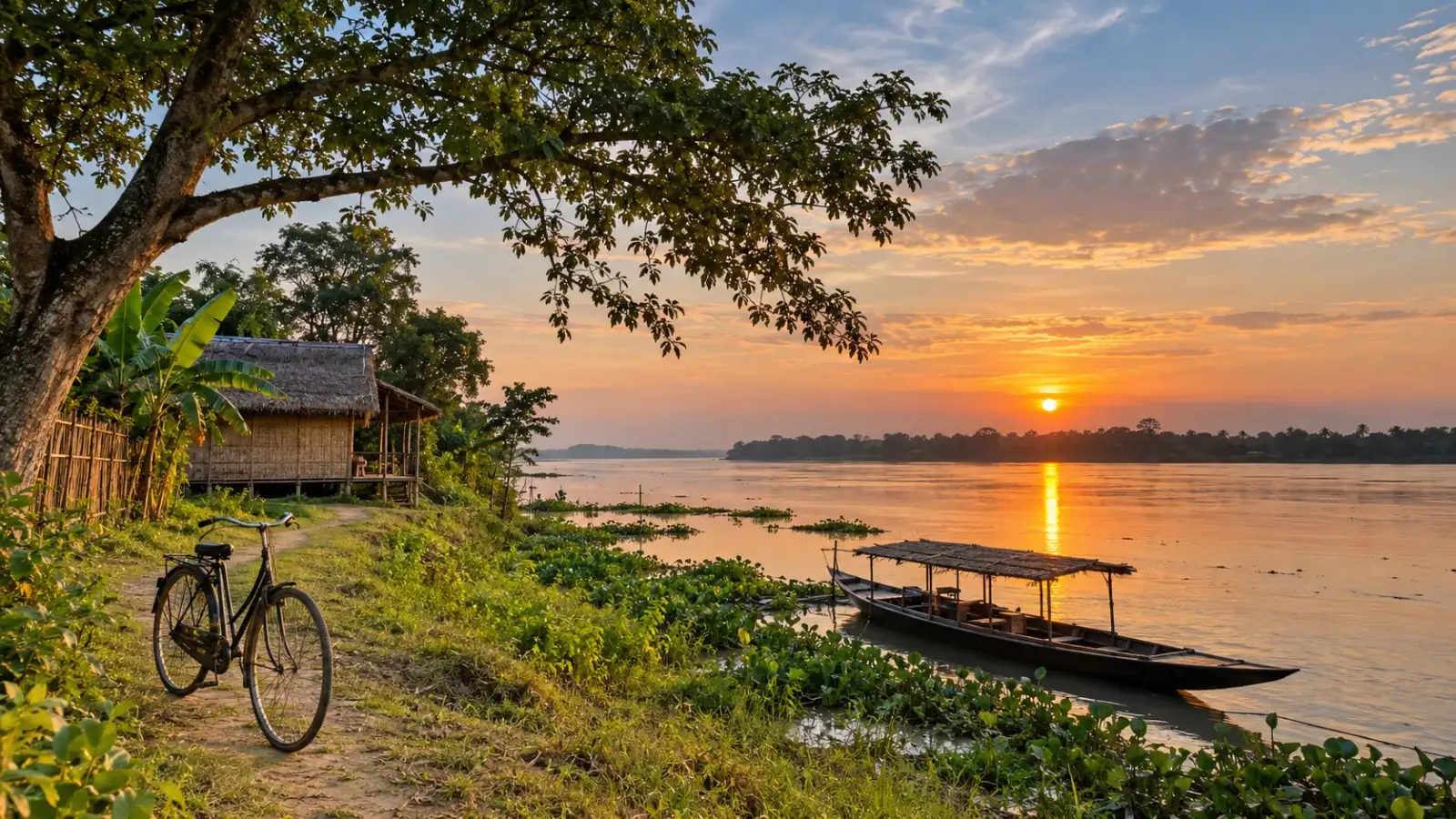
Majuli is not a destination where you need to rush between a long list of attractions. Its charm comes from spending time in one place, cycling along rural roads, watching the landscape change with the light and meeting people who continue to follow traditions passed down through generations. For travellers interested in slow travel in India, Majuli offers an experience that feels very different from a conventional city break or busy sightseeing holiday.
This slower rhythm is ideal for travellers who want a break from crowded cities and tightly planned itineraries. Even ordinary moments, such as watching farmers work in the fields or seeing boats move across the river, can become memorable parts of the trip.
Walking or cycling through these areas allows you to notice details that can easily be missed from a vehicle. You may see people working in fields, preparing traditional foods or carrying out everyday household activities.
The experience is less about ticking off attractions and more about observing how communities live.
These institutions have played an important role in preserving music, dance, drama, art and other cultural practices. Some satras welcome visitors, allowing them to learn about the traditions that have shaped the island.
A visit is more rewarding when approached respectfully. These are living cultural institutions rather than simply historical monuments, so visitors should follow local rules and dress appropriately.
Artisans create masks from materials such as bamboo, cloth and natural elements. The finished pieces can represent characters from religious and mythological stories.
Visiting a mask making workshop can be especially interesting because it shows how an artistic tradition continues to exist as part of community life. The process also demonstrates the skill required to transform simple materials into expressive figures.
A bicycle also makes it easy to stop whenever something catches your attention. You can pause near a pond, visit a small village or simply sit beneath a tree and enjoy the landscape.
Always consider weather and road conditions before setting out, particularly during periods of heavy rain.
In Majuli, travellers can look for Assamese dishes featuring rice, vegetables, lentils, fish and locally available ingredients. Simple meals can often be just as memorable as elaborate restaurant experiences when they are connected with the place you are visiting.
Try eating slowly and asking about the dishes rather than treating every meal as a quick stop between sightseeing activities. Food can provide useful insight into local agriculture and everyday life.
Buying directly from artisans or established local craft groups can be a meaningful way to support traditional skills. Instead of looking only for finished souvenirs, take an interest in how the products are made.
A handmade object becomes more memorable when you know something about the person and tradition behind it.
Spending time near the river can be one of the simplest experiences on the island. Early mornings and evenings can be particularly peaceful, with changing light across the water and surrounding landscape.
However, the river can also be powerful and unpredictable. Visitors should follow local advice and avoid entering the water in unsafe areas.
Raas Mahotsav is particularly associated with Majuli and attracts visitors interested in its religious and cultural traditions. The event can make the island much busier than usual, so travellers seeking solitude should consider the timing of their visit.
For those who enjoy cultural travel, however, experiencing a local celebration can provide a deeper understanding of Majuli’s identity.
Spend an extra hour talking to a local artisan. Stop to watch the sunset. Take a longer cycling route through the countryside. Sit quietly near the river instead of immediately moving to the next attraction.
These small choices capture the essence of slow travel.
The island also encourages a different relationship with travel. Instead of arriving with a checklist of places to photograph, you can spend time understanding the environment and people around you.
Its river landscape, cultural institutions, traditional crafts and rural communities make Majuli particularly rewarding for travellers who want to experience a quieter side of India.
A visit may not provide the constant excitement of a major tourist city, and that is precisely the point. Majuli is a destination where doing less can help you experience more. For anyone building an India bucket list around meaningful, unhurried journeys, this Assamese island deserves serious consideration.
Majuli is not a destination where you need to rush between a long list of attractions. Its charm comes from spending time in one place, cycling along rural roads, watching the landscape change with the light and meeting people who continue to follow traditions passed down through generations. For travellers interested in slow travel in India, Majuli offers an experience that feels very different from a conventional city break or busy sightseeing holiday.
1. Experience a Slower Pace of Life
The biggest reason to visit Majuli is simply its pace. Life on the island is closely connected with the seasons, farming and the Brahmaputra. Instead of filling every hour with sightseeing, visitors can spend a morning walking around a village, enjoy a relaxed meal and leave the afternoon open for exploring.This slower rhythm is ideal for travellers who want a break from crowded cities and tightly planned itineraries. Even ordinary moments, such as watching farmers work in the fields or seeing boats move across the river, can become memorable parts of the trip.
2. Explore Assamese Village Life
Majuli provides opportunities to see rural Assamese life at a more personal level. Villages are surrounded by fields, ponds, bamboo structures and traditional homes, creating a landscape that feels closely connected with nature.Walking or cycling through these areas allows you to notice details that can easily be missed from a vehicle. You may see people working in fields, preparing traditional foods or carrying out everyday household activities.
The experience is less about ticking off attractions and more about observing how communities live.
3. Discover the Island’s Satras
Majuli is particularly important for its satras, which are Vaishnavite monasteries and cultural institutions associated with the religious and cultural traditions of Assam.These institutions have played an important role in preserving music, dance, drama, art and other cultural practices. Some satras welcome visitors, allowing them to learn about the traditions that have shaped the island.
A visit is more rewarding when approached respectfully. These are living cultural institutions rather than simply historical monuments, so visitors should follow local rules and dress appropriately.
4. See the Traditional Mask Making
One of Majuli’s most distinctive cultural traditions is mask making. Traditional masks are closely connected with Bhaona, a form of Assamese devotional theatre associated with the teachings of Srimanta Sankardeva.Artisans create masks from materials such as bamboo, cloth and natural elements. The finished pieces can represent characters from religious and mythological stories.
Visiting a mask making workshop can be especially interesting because it shows how an artistic tradition continues to exist as part of community life. The process also demonstrates the skill required to transform simple materials into expressive figures.
5. Travel Through the Island by Bicycle
Cycling is one of the best ways to experience Majuli. The island’s rural roads provide a chance to move slowly through fields, villages and open landscapes without being separated from your surroundings by a car window.A bicycle also makes it easy to stop whenever something catches your attention. You can pause near a pond, visit a small village or simply sit beneath a tree and enjoy the landscape.
Always consider weather and road conditions before setting out, particularly during periods of heavy rain.
6. Taste Local Assamese Food
Food is an important part of slow travel because meals give you an opportunity to experience a place through its local ingredients and cooking traditions.In Majuli, travellers can look for Assamese dishes featuring rice, vegetables, lentils, fish and locally available ingredients. Simple meals can often be just as memorable as elaborate restaurant experiences when they are connected with the place you are visiting.
Try eating slowly and asking about the dishes rather than treating every meal as a quick stop between sightseeing activities. Food can provide useful insight into local agriculture and everyday life.
7. Spend Time With Traditional Crafts
Majuli has several craft traditions that reflect the island’s natural environment and cultural heritage. Bamboo and cane are particularly important materials, while pottery and handloom weaving are also part of local craft culture.Buying directly from artisans or established local craft groups can be a meaningful way to support traditional skills. Instead of looking only for finished souvenirs, take an interest in how the products are made.
A handmade object becomes more memorable when you know something about the person and tradition behind it.
8. Enjoy the River Landscape
The Brahmaputra is central to Majuli’s identity. The river shapes the island’s landscape, influences daily life and creates a constantly changing natural backdrop.Spending time near the river can be one of the simplest experiences on the island. Early mornings and evenings can be particularly peaceful, with changing light across the water and surrounding landscape.
However, the river can also be powerful and unpredictable. Visitors should follow local advice and avoid entering the water in unsafe areas.
9. Experience Seasonal Festivals
Majuli’s cultural calendar adds another dimension to a visit. Festivals and traditional performances can bring villages and satras to life with music, dance, theatre and community gatherings.Raas Mahotsav is particularly associated with Majuli and attracts visitors interested in its religious and cultural traditions. The event can make the island much busier than usual, so travellers seeking solitude should consider the timing of their visit.
For those who enjoy cultural travel, however, experiencing a local celebration can provide a deeper understanding of Majuli’s identity.
10. Travel With More Time and Less Pressure
Majuli is best suited to travellers who are comfortable leaving some space in their itinerary. You do not need to fill every day with attractions. The destination rewards curiosity, patience and unplanned discoveries.Spend an extra hour talking to a local artisan. Stop to watch the sunset. Take a longer cycling route through the countryside. Sit quietly near the river instead of immediately moving to the next attraction.
These small choices capture the essence of slow travel.
Why Majuli Belongs on a Slow Travel Itinerary
Majuli offers something increasingly valuable in modern travel, the opportunity to slow down. Its appeal lies not only in individual attractions but in the combination of landscape, culture, crafts, food and community life.The island also encourages a different relationship with travel. Instead of arriving with a checklist of places to photograph, you can spend time understanding the environment and people around you.
Its river landscape, cultural institutions, traditional crafts and rural communities make Majuli particularly rewarding for travellers who want to experience a quieter side of India.
A visit may not provide the constant excitement of a major tourist city, and that is precisely the point. Majuli is a destination where doing less can help you experience more. For anyone building an India bucket list around meaningful, unhurried journeys, this Assamese island deserves serious consideration.
Next Story