
Makar Sankranti 2026: Date, Significance And Popular Festival Recipes

The year may have just begun, but one of India’s most colourful and meaningful festivals is already around the corner. Makar Sankranti marks the moment when winter slowly starts to retreat and the Sun begins its northward journey into Capricorn. Celebrated across the country with great enthusiasm, the festival brings together harvest rituals, prayers, kite flying and indulgence in age-old traditional foods.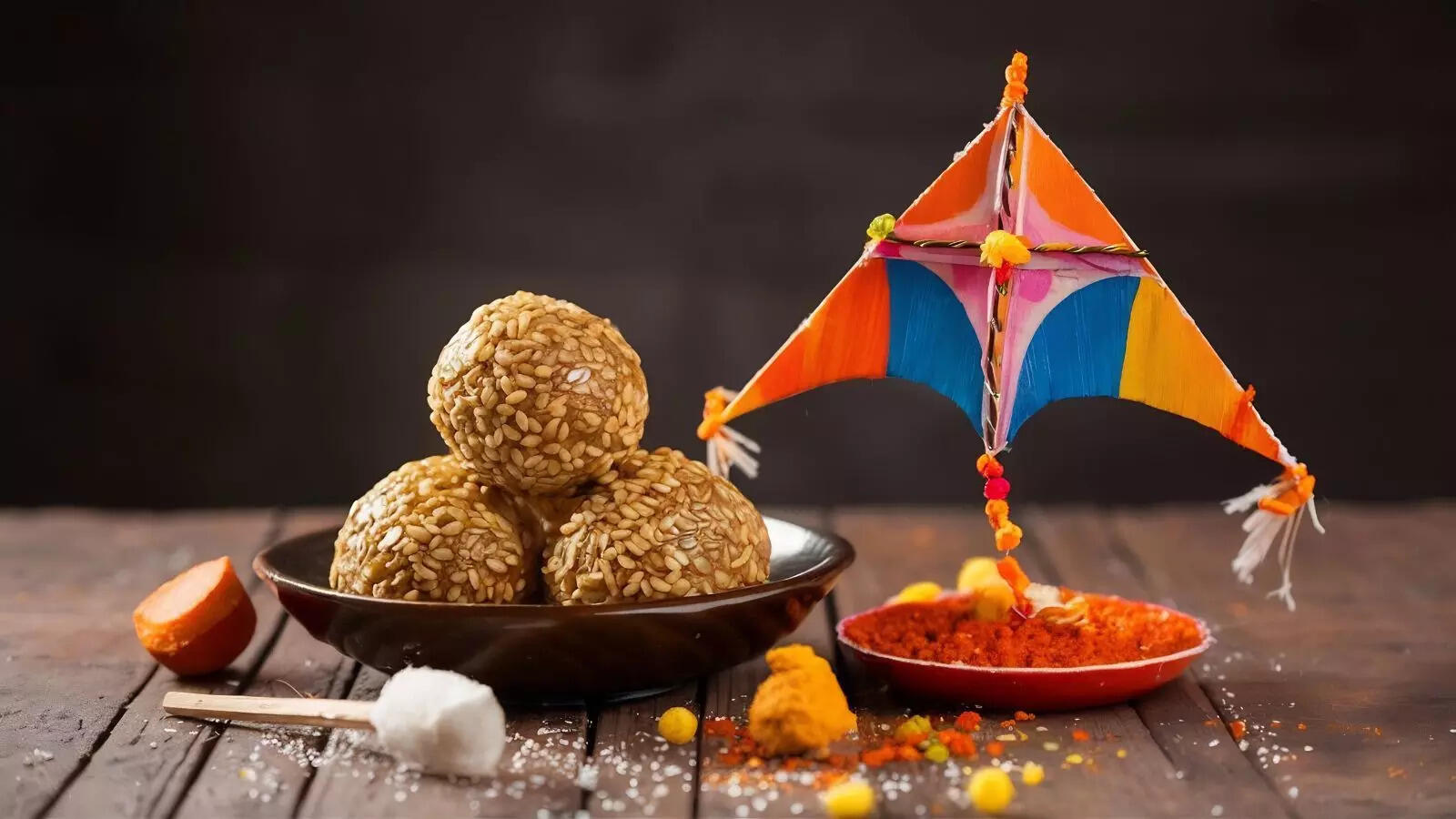
From holy dips in rivers to rooftops filled with soaring kites, Makar Sankranti symbolises renewal, gratitude and hope. Food plays a central role in the celebrations, with sesame and jaggery-based dishes dominating plates as families come together to welcome longer days and warmer sunshine.
Makar Sankranti in 2026 will be observed on Wednesday, January 14. The main Sankranti moment takes place in the afternoon.
According to Drik Panchang, the key timings are:
These hours are considered auspicious for rituals, charity and prayers.
Why Makar Sankranti Is Considered Auspicious
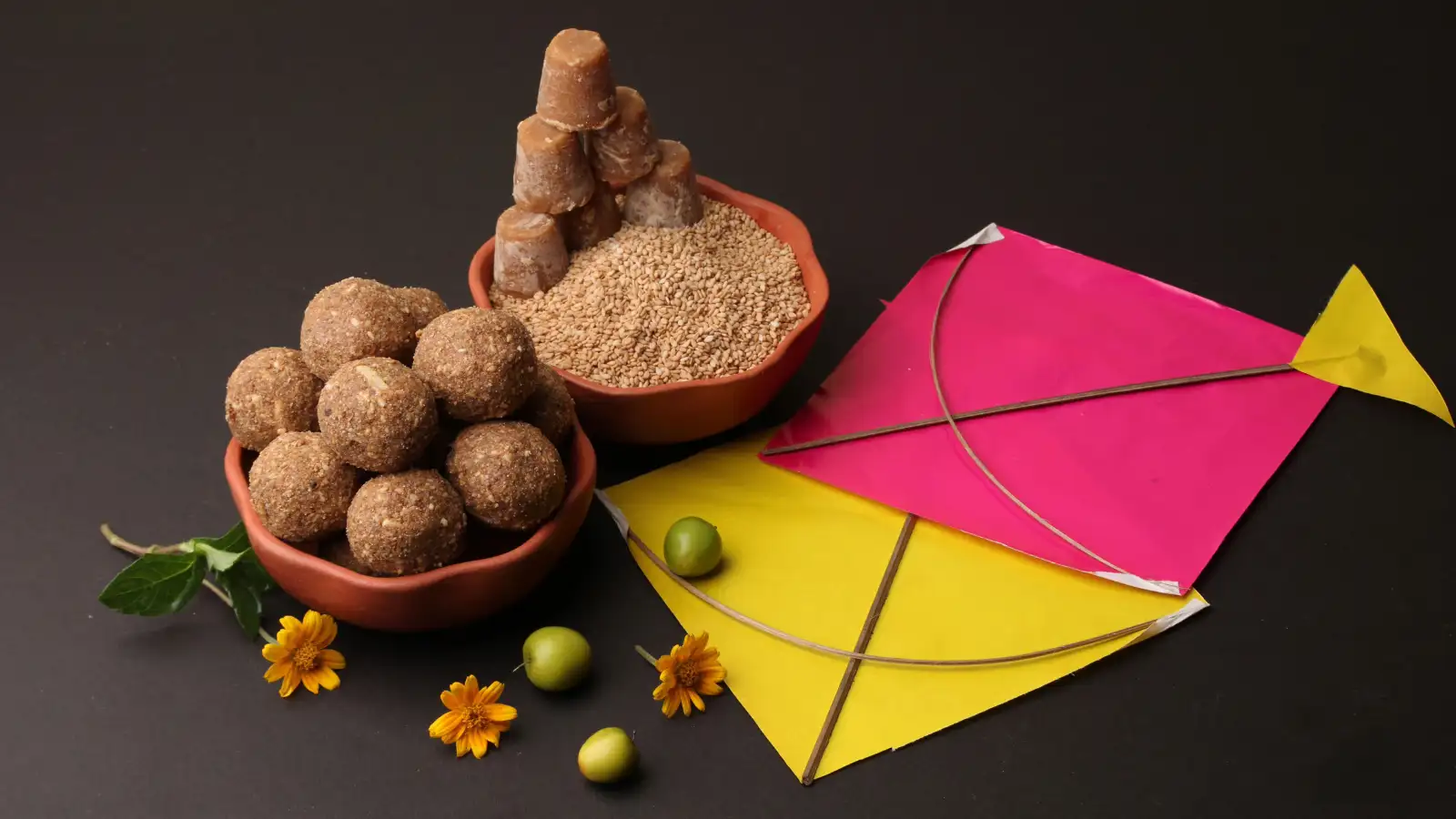
Makar Sankranti marks the Sun’s transition into Capricorn, beginning Uttarayan, the northward movement of the Sun. This phase is regarded as highly favourable in Hindu tradition, symbolising progress, positivity and new beginnings.
The festival is closely linked to agricultural cycles and harvest celebrations across India. It is a time to express gratitude for abundance, share food with others and seek blessings for prosperity and good health. The tradition of consuming sesame and jaggery-based sweets reflects the need for warmth and nourishment during the winter months.
1. Tilgul Ladoo
Made with roasted sesame seeds and jaggery, tilgul ladoos are synonymous with Makar Sankranti. Their nutty flavour and natural sweetness make them perfect for winter. Beyond taste, they symbolise harmony and goodwill and are traditionally shared with wishes of sweetness in speech and life.
2. Puran Poli
A festive favourite from Maharashtra, puran poli is a soft flatbread stuffed with a sweet mixture of chana dal, jaggery and cardamom. Served warm with ghee, it offers comfort and richness and remains a must-have during Sankranti celebrations.
Crunchy and brittle, til chikki is prepared by setting sesame seeds in molten jaggery. Easy to make and long-lasting, it is a popular Sankranti snack enjoyed by all age groups. Its crisp texture and earthy sweetness make it hard to resist.
4. Khichdi
A nourishing dish made with rice, lentils, seasonal vegetables and ghee, khichdi holds special significance during Sankranti in North India. Warm, simple and wholesome, it is often paired with pickle and papad for a satisfying festive meal.
5. Makara Chaula
This traditional Odia offering combines freshly harvested rice with milk, jaggery, banana and seasonal fruits. Prepared as a ritual dish for the Sun God, Makara Chaula symbolises purity, abundance and gratitude linked to the harvest season.
6. Tilkut
Popular in Bihar and Jharkhand, tilkut is made using powdered sesame seeds and jaggery. Rich in flavour and energy, this crunchy sweet is ideal for winter and remains a Sankranti staple in eastern India.
As Makar Sankranti 2026 approaches, it is the perfect time to prepare traditional dishes, fly kites under clear winter skies and celebrate the joy of togetherness. With sunshine, seasonal flavours and meaningful rituals, the festival offers a warm reminder of renewal and shared happiness.
From holy dips in rivers to rooftops filled with soaring kites, Makar Sankranti symbolises renewal, gratitude and hope. Food plays a central role in the celebrations, with sesame and jaggery-based dishes dominating plates as families come together to welcome longer days and warmer sunshine.
Makar Sankranti 2026 : Date and Timings
Makar Sankranti in 2026 will be observed on Wednesday, January 14. The main Sankranti moment takes place in the afternoon.
According to Drik Panchang, the key timings are:
- Sankranti Moment: 3:13 PM IST
- Punya Kaal Duration: Around two hours following the Sankranti moment
These hours are considered auspicious for rituals, charity and prayers.
Why Makar Sankranti Is Considered Auspicious
Makar Sankranti marks the Sun’s transition into Capricorn, beginning Uttarayan, the northward movement of the Sun. This phase is regarded as highly favourable in Hindu tradition, symbolising progress, positivity and new beginnings.
The festival is closely linked to agricultural cycles and harvest celebrations across India. It is a time to express gratitude for abundance, share food with others and seek blessings for prosperity and good health. The tradition of consuming sesame and jaggery-based sweets reflects the need for warmth and nourishment during the winter months.
6 Traditional Recipes to Try This Makar Sankranti 2026
1. Tilgul Ladoo
Made with roasted sesame seeds and jaggery, tilgul ladoos are synonymous with Makar Sankranti. Their nutty flavour and natural sweetness make them perfect for winter. Beyond taste, they symbolise harmony and goodwill and are traditionally shared with wishes of sweetness in speech and life.
2. Puran Poli
A festive favourite from Maharashtra, puran poli is a soft flatbread stuffed with a sweet mixture of chana dal, jaggery and cardamom. Served warm with ghee, it offers comfort and richness and remains a must-have during Sankranti celebrations. 3. Til Chikki
You may also like
- I-PAC issues statement on ED's action, assures cooperation in probe
- Apparel exporters hanging by a thread amid new tariff threats
- Indian Coast Guard's Bureau of Naviks bids farewell to retiring personnel
- Leasehold land at Yashobhoomi gets allotted to ITC Hotels Limited
- Sabarimala gold loss: Tantri arrested for 'silent nod' to replate artefacts outside
Crunchy and brittle, til chikki is prepared by setting sesame seeds in molten jaggery. Easy to make and long-lasting, it is a popular Sankranti snack enjoyed by all age groups. Its crisp texture and earthy sweetness make it hard to resist.
4. Khichdi
A nourishing dish made with rice, lentils, seasonal vegetables and ghee, khichdi holds special significance during Sankranti in North India. Warm, simple and wholesome, it is often paired with pickle and papad for a satisfying festive meal. 5. Makara Chaula
This traditional Odia offering combines freshly harvested rice with milk, jaggery, banana and seasonal fruits. Prepared as a ritual dish for the Sun God, Makara Chaula symbolises purity, abundance and gratitude linked to the harvest season.6. Tilkut
Popular in Bihar and Jharkhand, tilkut is made using powdered sesame seeds and jaggery. Rich in flavour and energy, this crunchy sweet is ideal for winter and remains a Sankranti staple in eastern India. As Makar Sankranti 2026 approaches, it is the perfect time to prepare traditional dishes, fly kites under clear winter skies and celebrate the joy of togetherness. With sunshine, seasonal flavours and meaningful rituals, the festival offers a warm reminder of renewal and shared happiness.






More from our partners


