
Mandu Travel Guide: Discover Palaces, Pavilions and Historic Ruins

Mandu is a historic destination in Madhya Pradesh where architecture and landscape come together. Set on a plateau in the Malwa region, it is known for its palaces, gateways, mosques and pavilions. The remains of its historic settlements give visitors an opportunity to explore a place shaped by different rulers and architectural traditions.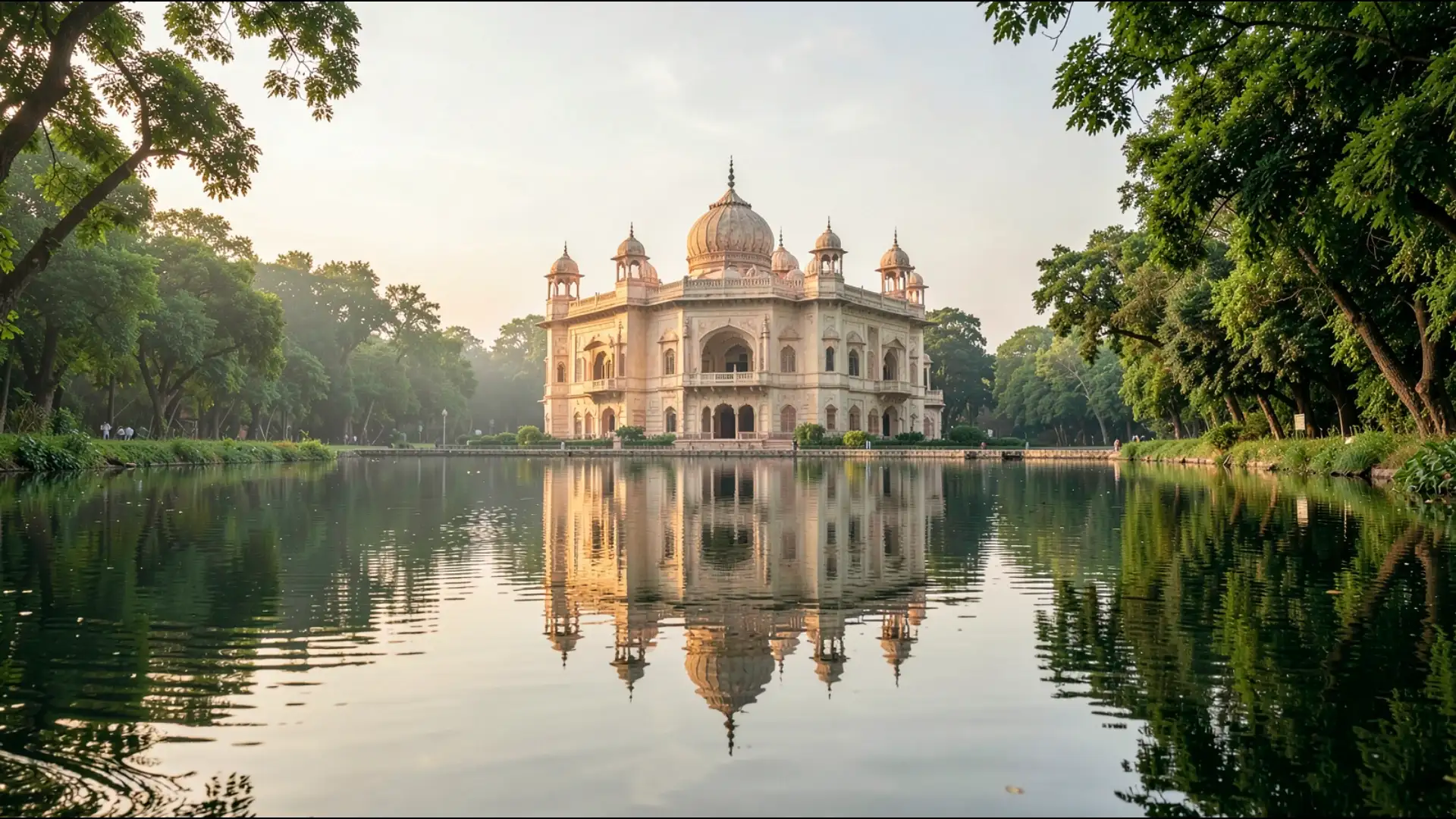
A visit is best planned at an unhurried pace. Several monuments are spread across the area, and allowing time between stops makes the experience more enjoyable. The destination also offers scenic viewpoints that add variety to a heritage-focused itinerary.
Its design, courtyards and open spaces make it a rewarding place to explore. Visitors can observe the architectural details and understand how the surrounding water features influenced the setting.
Nearby monuments can be included in the same part of the itinerary, depending on available time. Wear comfortable footwear because exploring historic complexes often involves uneven surfaces and steps.
The Royal Enclave contains several historic structures that help visitors understand how the settlement functioned. Other notable places include Hoshang Shah's Tomb and the Jami Masjid, both associated with Mandu's architectural history.
Roopmati Pavilion is another popular attraction. Its elevated position offers broad views of the surrounding landscape. Visitors often include it towards the end of the day, although the best time depends on weather and visibility.
If using public transport, check onward connections before leaving the nearest major town. Services may not operate at the frequency travellers expect, particularly outside peak periods.
Accommodation is available in and around the destination, but options can be limited compared with larger cities. Booking in advance is advisable during weekends and holiday seasons.
Some historic areas have uneven pathways, so avoid rushing and take care near steps or exposed edges. Follow signage and local instructions, particularly around protected structures.
Mandu is ideal for travellers who enjoy history, architecture and open landscapes. Rather than treating it as a quick checklist of monuments, allow time to appreciate the details and atmosphere of this historic plateau.
A visit is best planned at an unhurried pace. Several monuments are spread across the area, and allowing time between stops makes the experience more enjoyable. The destination also offers scenic viewpoints that add variety to a heritage-focused itinerary.
Start with Jahaz Mahal
Jahaz Mahal is among Mandu's most recognisable monuments. Built between two water bodies, the structure is often admired for its appearance, which resembles a vessel resting on water.Its design, courtyards and open spaces make it a rewarding place to explore. Visitors can observe the architectural details and understand how the surrounding water features influenced the setting.
Nearby monuments can be included in the same part of the itinerary, depending on available time. Wear comfortable footwear because exploring historic complexes often involves uneven surfaces and steps.
Explore the royal and historic structures
Hindola Mahal is known for its sloping walls, which give the building a distinctive appearance. Its design makes it one of the most interesting architectural stops in the area.The Royal Enclave contains several historic structures that help visitors understand how the settlement functioned. Other notable places include Hoshang Shah's Tomb and the Jami Masjid, both associated with Mandu's architectural history.
Roopmati Pavilion is another popular attraction. Its elevated position offers broad views of the surrounding landscape. Visitors often include it towards the end of the day, although the best time depends on weather and visibility.
Getting to Mandu
Mandu is generally reached by road from Indore and other towns in Madhya Pradesh. Visitors can travel by private vehicle, taxi or a combination of public transport and local transfers.If using public transport, check onward connections before leaving the nearest major town. Services may not operate at the frequency travellers expect, particularly outside peak periods.
Accommodation is available in and around the destination, but options can be limited compared with larger cities. Booking in advance is advisable during weekends and holiday seasons.
Practical tips for a comfortable visit
The cooler months are usually more suitable for walking around the monuments. During warmer weather, begin sightseeing early and carry water, sun protection and a hat.Some historic areas have uneven pathways, so avoid rushing and take care near steps or exposed edges. Follow signage and local instructions, particularly around protected structures.
Mandu is ideal for travellers who enjoy history, architecture and open landscapes. Rather than treating it as a quick checklist of monuments, allow time to appreciate the details and atmosphere of this historic plateau.
Next Story