
Love Mangoes? This Light and Fluffy Cake Is the Perfect Upgrade

There is something about mango desserts that instantly feels seasonal. They are lighter, fresher, and naturally sweet without trying too hard. Among them, mango cake stands out for a simple reason. It does not rely on heaviness to feel indulgent.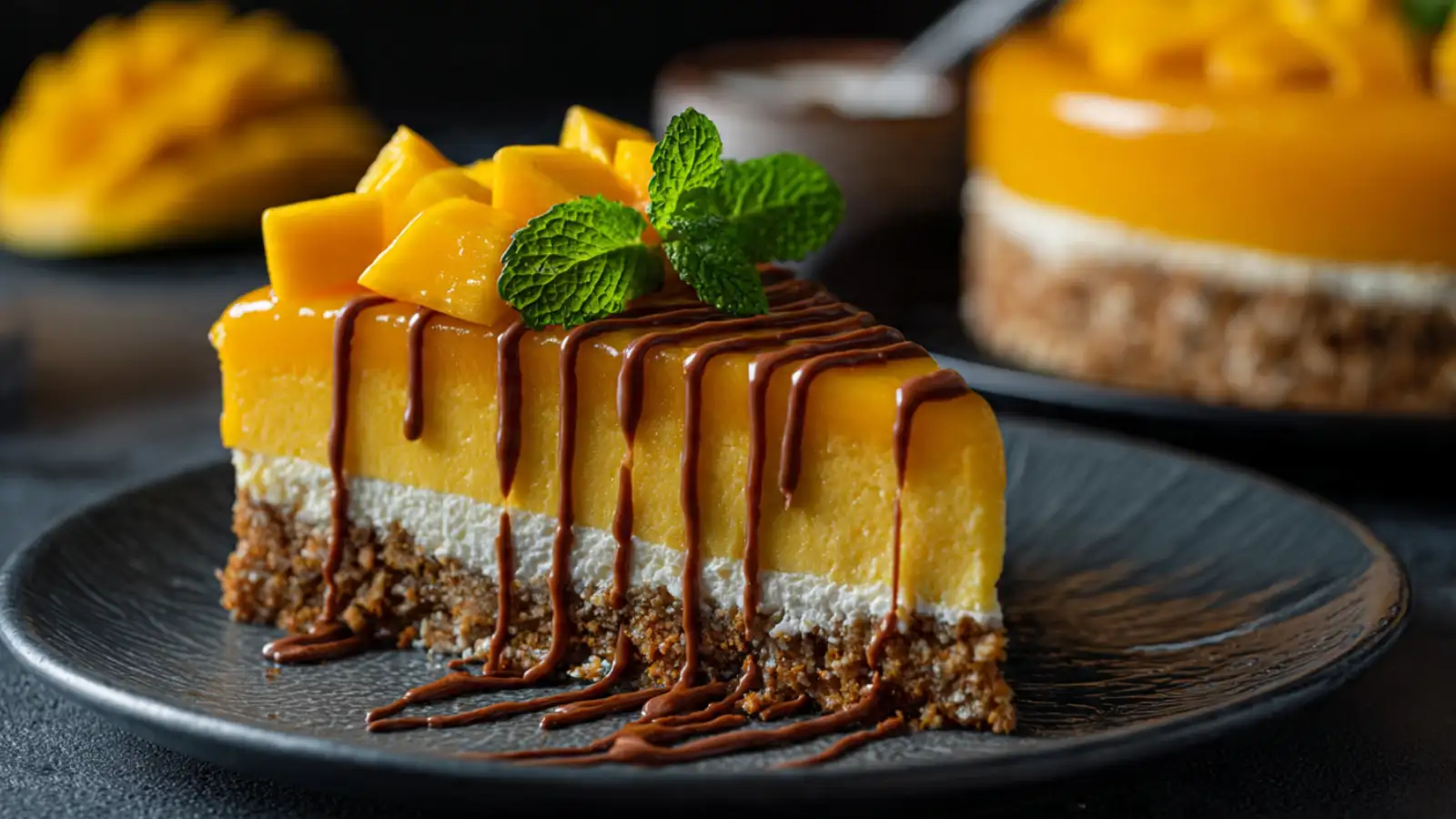
At its core, a mango cake is built on contrast. A soft, airy sponge forms the base, while fresh mango adds texture and sweetness. In between, layers of whipped cream bring everything together, creating a balance that feels rich but not overwhelming.
What makes this cake different from many traditional options is its texture. Instead of dense or buttery layers, it usually leans towards a light sponge. This allows the mango flavour to stand out rather than getting lost under sugar or frosting.
The choice of mango matters more than most people realise. Fully ripe mangoes bring natural sweetness and aroma, which become the defining flavour of the cake. Whether used as puree, slices, or both, the fruit is not just an ingredient. It is the highlight.
Another key element is the cream. Unlike heavy buttercream cakes, mango cakes often use whipped cream or lightly sweetened frosting. This keeps the overall taste soft and refreshing. The cream also acts as a bridge, blending the sponge and fruit into one smooth bite rather than distinct layers.
The preparation itself reflects this simplicity. A basic sponge batter is baked until light and fluffy. Once cooled, it is sliced into layers. These layers are then filled with whipped cream and fresh mango pieces, sometimes with an added layer of mango puree for extra flavour. The final cake is often topped with more cream and decorated with mango slices.
What elevates the experience is how these elements come together. The sponge absorbs slight moisture from the cream and fruit, making each bite softer over time. The mango adds bursts of freshness, while the cream keeps the texture smooth.
There is also flexibility in how mango cake is made. Some versions lean towards a chiffon-style cake, others resemble cheesecakes or even no-bake variations. But the central idea remains the same. Keep it light, keep it fruity, and let mango lead the flavour.
This is also why mango cake works particularly well in warmer months. Unlike heavy desserts that feel overwhelming in heat, this one feels cooling and easy to eat. It fits into celebrations, casual meals, or even as a simple treat without feeling excessive.
Over time, mango cake has evolved across regions. From bakery-style layered cakes to homemade variations, each version adapts to local preferences. Yet, the essence remains unchanged.
In simple terms, mango cake is not about complexity. It is about balance.
A soft base, fresh fruit, and light cream. When done right, it turns a familiar fruit into something that feels both comforting and special.
At its core, a mango cake is built on contrast. A soft, airy sponge forms the base, while fresh mango adds texture and sweetness. In between, layers of whipped cream bring everything together, creating a balance that feels rich but not overwhelming.
What makes this cake different from many traditional options is its texture. Instead of dense or buttery layers, it usually leans towards a light sponge. This allows the mango flavour to stand out rather than getting lost under sugar or frosting.
The choice of mango matters more than most people realise. Fully ripe mangoes bring natural sweetness and aroma, which become the defining flavour of the cake. Whether used as puree, slices, or both, the fruit is not just an ingredient. It is the highlight.
Another key element is the cream. Unlike heavy buttercream cakes, mango cakes often use whipped cream or lightly sweetened frosting. This keeps the overall taste soft and refreshing. The cream also acts as a bridge, blending the sponge and fruit into one smooth bite rather than distinct layers.
The preparation itself reflects this simplicity. A basic sponge batter is baked until light and fluffy. Once cooled, it is sliced into layers. These layers are then filled with whipped cream and fresh mango pieces, sometimes with an added layer of mango puree for extra flavour. The final cake is often topped with more cream and decorated with mango slices.
What elevates the experience is how these elements come together. The sponge absorbs slight moisture from the cream and fruit, making each bite softer over time. The mango adds bursts of freshness, while the cream keeps the texture smooth.
There is also flexibility in how mango cake is made. Some versions lean towards a chiffon-style cake, others resemble cheesecakes or even no-bake variations. But the central idea remains the same. Keep it light, keep it fruity, and let mango lead the flavour.
This is also why mango cake works particularly well in warmer months. Unlike heavy desserts that feel overwhelming in heat, this one feels cooling and easy to eat. It fits into celebrations, casual meals, or even as a simple treat without feeling excessive.
Over time, mango cake has evolved across regions. From bakery-style layered cakes to homemade variations, each version adapts to local preferences. Yet, the essence remains unchanged.
In simple terms, mango cake is not about complexity. It is about balance.
A soft base, fresh fruit, and light cream. When done right, it turns a familiar fruit into something that feels both comforting and special.
Next Story