
How to Grow Marigolds in Pots for a Colourful Indian Balcony Garden

Marigolds, commonly called genda in India, are familiar flowers in home gardens, festive decorations and temple offerings. Their bright shades of yellow and orange make them a popular choice for balconies, terraces and small outdoor spaces.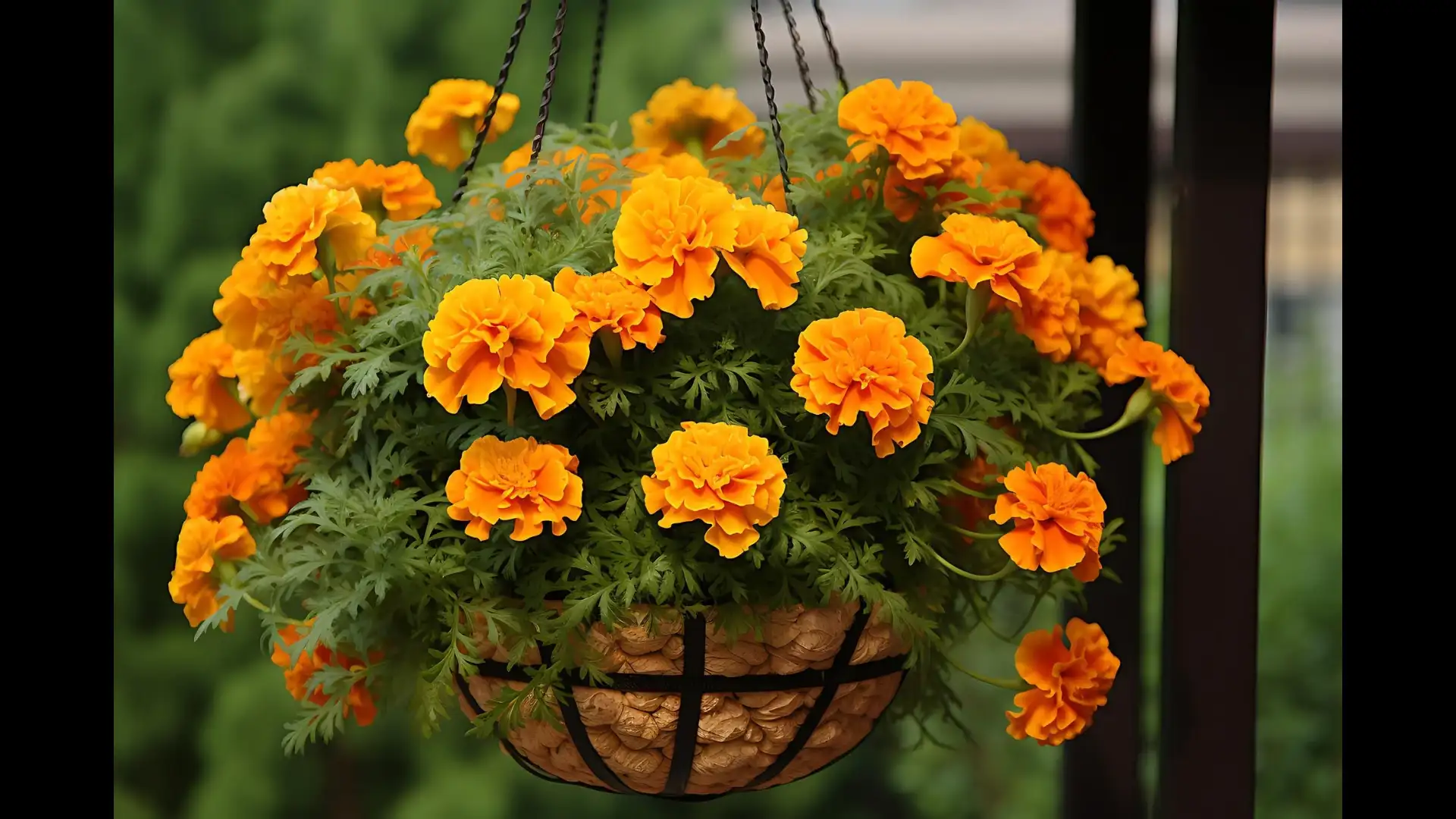
The plants are relatively straightforward to grow in containers when they receive sufficient sunlight and are planted in soil that drains well. With a little attention to watering and pruning, even a small balcony can accommodate a colourful group of marigold pots.
For a small balcony, compact varieties are often easier to manage because they take up less space. Taller varieties may need larger containers and more room for their stems.
When buying seeds or nursery plants, check the label for the expected height and growing conditions. This helps you choose a variety that suits your available space.
Sow the seeds according to the packet instructions and cover them lightly with the growing medium. Keep the soil gently moist rather than soaking it.
Once the seedlings have developed a few sets of leaves and are strong enough to handle, they can be moved into individual pots.
If you prefer a quicker start, buy healthy nursery plants and transfer them into containers. Handle the roots gently during repotting and water after planting.
A general potting mix containing garden soil, compost and a drainage material such as coarse sand can work well. Avoid using dense soil that becomes hard and waterlogged.
Do not overcrowd several plants in a small container. Good spacing allows air to circulate and gives each plant room to grow.
A balcony that receives morning sunlight can be a useful location. If the area becomes extremely hot during the afternoon, observe the plants and adjust their position if necessary.
Plants kept in deep shade may grow with long stems and fewer flowers, so choose the brightest suitable space available.
Avoid keeping the soil constantly wet. During rainy weather, move pots to a position where water does not collect around the roots.
Watering directly on the soil rather than repeatedly wetting the flowers also helps keep the blooms looking presentable.
Once flowering begins, remove faded blooms regularly. This practice, known as deadheading, helps keep the plant tidy and can encourage further flowering.
Feed the plant occasionally with a suitable balanced fertiliser, following the product instructions. Avoid excessive feeding, which can encourage leaf growth at the expense of flowers.
Marigolds can also be combined with other flowering plants, provided their sunlight and watering requirements are compatible.
With a sunny position and regular attention, these familiar flowers can bring a cheerful seasonal display to a small home garden.
The plants are relatively straightforward to grow in containers when they receive sufficient sunlight and are planted in soil that drains well. With a little attention to watering and pruning, even a small balcony can accommodate a colourful group of marigold pots.
Choose the right marigold variety
Marigolds are available in different varieties, including compact plants and taller types with larger flowers.For a small balcony, compact varieties are often easier to manage because they take up less space. Taller varieties may need larger containers and more room for their stems.
When buying seeds or nursery plants, check the label for the expected height and growing conditions. This helps you choose a variety that suits your available space.
Decide between seeds and nursery plants
Growing marigolds from seeds is a simple way to start a small flower garden. Use a seed tray or a shallow container filled with a suitable seed-starting mix.Sow the seeds according to the packet instructions and cover them lightly with the growing medium. Keep the soil gently moist rather than soaking it.
Once the seedlings have developed a few sets of leaves and are strong enough to handle, they can be moved into individual pots.
If you prefer a quicker start, buy healthy nursery plants and transfer them into containers. Handle the roots gently during repotting and water after planting.
Select suitable pots and soil
Choose pots with drainage holes so that excess water can escape. Compact varieties can grow in smaller containers, while larger plants benefit from more room for their roots.A general potting mix containing garden soil, compost and a drainage material such as coarse sand can work well. Avoid using dense soil that becomes hard and waterlogged.
Do not overcrowd several plants in a small container. Good spacing allows air to circulate and gives each plant room to grow.
Provide plenty of sunlight
Marigolds generally perform best in a sunny location. Place the pots where they receive around six hours or more of direct sunlight, depending on the variety and local conditions.A balcony that receives morning sunlight can be a useful location. If the area becomes extremely hot during the afternoon, observe the plants and adjust their position if necessary.
You may also like
- The Last Couch: 'Koffee With Karan' signs off with its widest guest list yet
- 'You'll travel and you might even fall in love'; Finland invites 16 singles from around the world to visit, eat and fall in love for free
- South Surge: A dream year for the box office below the Vindhyas
- Why did the issue of sleeping hours on trains (10 PM to 6 AM) reach the High Court?
- Scared of Steroid Creams? What Eczema Patients Need to Know
Plants kept in deep shade may grow with long stems and fewer flowers, so choose the brightest suitable space available.
Water carefully
Check the top layer of soil before watering. If it feels dry, water around the base of the plant until excess moisture drains out.Avoid keeping the soil constantly wet. During rainy weather, move pots to a position where water does not collect around the roots.
Watering directly on the soil rather than repeatedly wetting the flowers also helps keep the blooms looking presentable.
Encourage more flowers
When young plants have developed a few sets of leaves, pinching the growing tip can encourage branching in many marigold varieties. This may help produce a fuller plant.Once flowering begins, remove faded blooms regularly. This practice, known as deadheading, helps keep the plant tidy and can encourage further flowering.
Feed the plant occasionally with a suitable balanced fertiliser, following the product instructions. Avoid excessive feeding, which can encourage leaf growth at the expense of flowers.
Make a simple balcony display
Group pots of different heights together to create a layered arrangement. Use stable stands for taller containers and leave enough space for watering and maintenance.Marigolds can also be combined with other flowering plants, provided their sunlight and watering requirements are compatible.
With a sunny position and regular attention, these familiar flowers can bring a cheerful seasonal display to a small home garden.






Loving Newspoint? Download the app now
