
How to Make Soft Rotis That Stay Fresh for Longer

A soft roti seems like one of the simplest things to make, yet getting the texture right can be surprisingly difficult. Sometimes the dough feels perfect but the finished rotis turn stiff. On another day, the same flour produces soft, flexible chapatis. The difference usually comes down to hydration, kneading, resting and cooking. Even small changes in the amount of water or the heat of the pan can affect the final result. The good news is that making soft rotis does not require a secret ingredient. It requires paying attention to what the dough is telling you.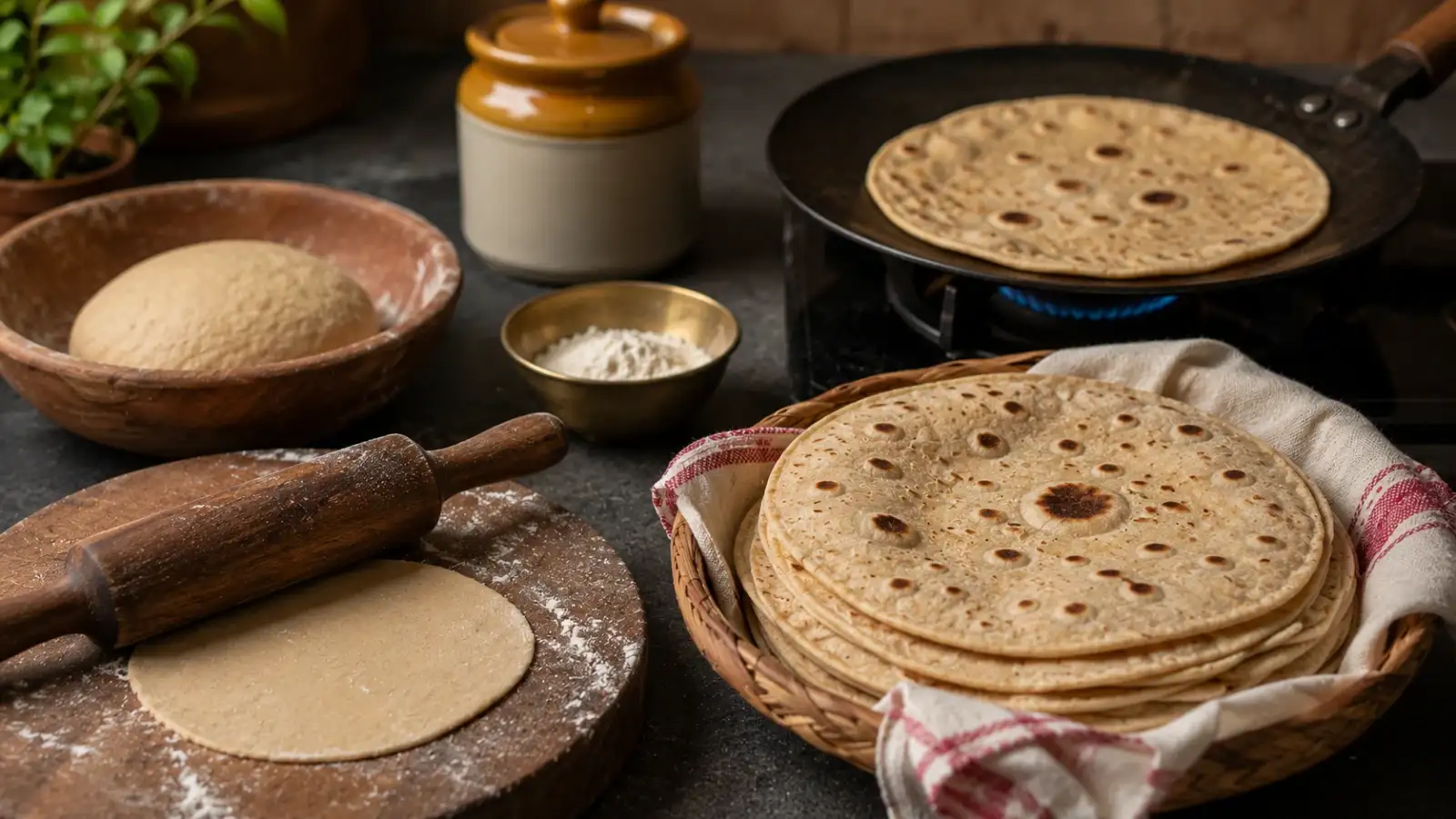
The dough should become soft and pliable rather than stiff or sticky. A dough that feels dry before resting is likely to produce tougher rotis.
Even a relatively short resting period can make rolling easier. The dough should be covered while resting so that its surface does not dry out.
Use just enough to prevent sticking. If the dough is properly hydrated and rested, it should roll without requiring a heavy coating of flour.
Look for small bubbles appearing on the surface before flipping, then cook the other side and finish directly over a flame if your cooking method allows it.
Avoid leaving them uncovered on a plate for long periods.
Soft rotis are the result of several small details working together. Good hydration, adequate resting, gentle rolling and the right pan temperature matter more than complicated tricks. Once you learn to recognise the feel of well-hydrated dough, making soft rotis becomes less of a daily gamble and more of a reliable routine.
Start With the Right Dough
Whole-wheat flour absorbs water differently depending on its variety, freshness and storage. Instead of adding all the water at once, add it gradually while mixing.The dough should become soft and pliable rather than stiff or sticky. A dough that feels dry before resting is likely to produce tougher rotis.
Give the Dough Time to Rest
Resting allows the flour to absorb water more evenly and gives the gluten network time to relax.Even a relatively short resting period can make rolling easier. The dough should be covered while resting so that its surface does not dry out.
You may also like
- Quote of the Day by John Locke," “Parents wonder why the streams are bitter, when they themselves....”
- When children leave home, parents can feel lost too: 5 signs of 'empty nest syndrome' and how to cope
- Who was Putri Andriani Juficha? Model and beauty queen dies at 25, death announced on her birthday
- This mutual fund turned an investment of ₹10 lakh into ₹1.25 crore in just 13 years..
Do Not Overuse Dry Flour While Rolling
A generous dusting of dry flour can make rolling easier, but excessive flour can leave the surface dry and contribute to a tougher texture.Use just enough to prevent sticking. If the dough is properly hydrated and rested, it should roll without requiring a heavy coating of flour.
Get the Tawa Temperature Right
The pan needs to be properly heated before the roti goes on it. If it is too cool, the roti may take too long to cook and lose moisture. If it is excessively hot, the surface can brown before the inside cooks properly.Look for small bubbles appearing on the surface before flipping, then cook the other side and finish directly over a flame if your cooking method allows it.
Store Them Carefully
Even a perfectly cooked roti can become hard if it is left exposed to air. Keep finished rotis covered in a clean container or cloth-lined box.Avoid leaving them uncovered on a plate for long periods.
Soft rotis are the result of several small details working together. Good hydration, adequate resting, gentle rolling and the right pan temperature matter more than complicated tricks. Once you learn to recognise the feel of well-hydrated dough, making soft rotis becomes less of a daily gamble and more of a reliable routine.






Loving Newspoint? Download the app now
