
Mexican Chilli Peppers: A Spicy Symbol Of Culture And Cuisine

Mexico is renowned for its vibrant food culture, and at the heart of many of its dishes lies the humble yet powerful chilli pepper. With their fiery flavour and deep cultural roots, chillies are more than just an ingredient—they're a vital part of Mexican heritage.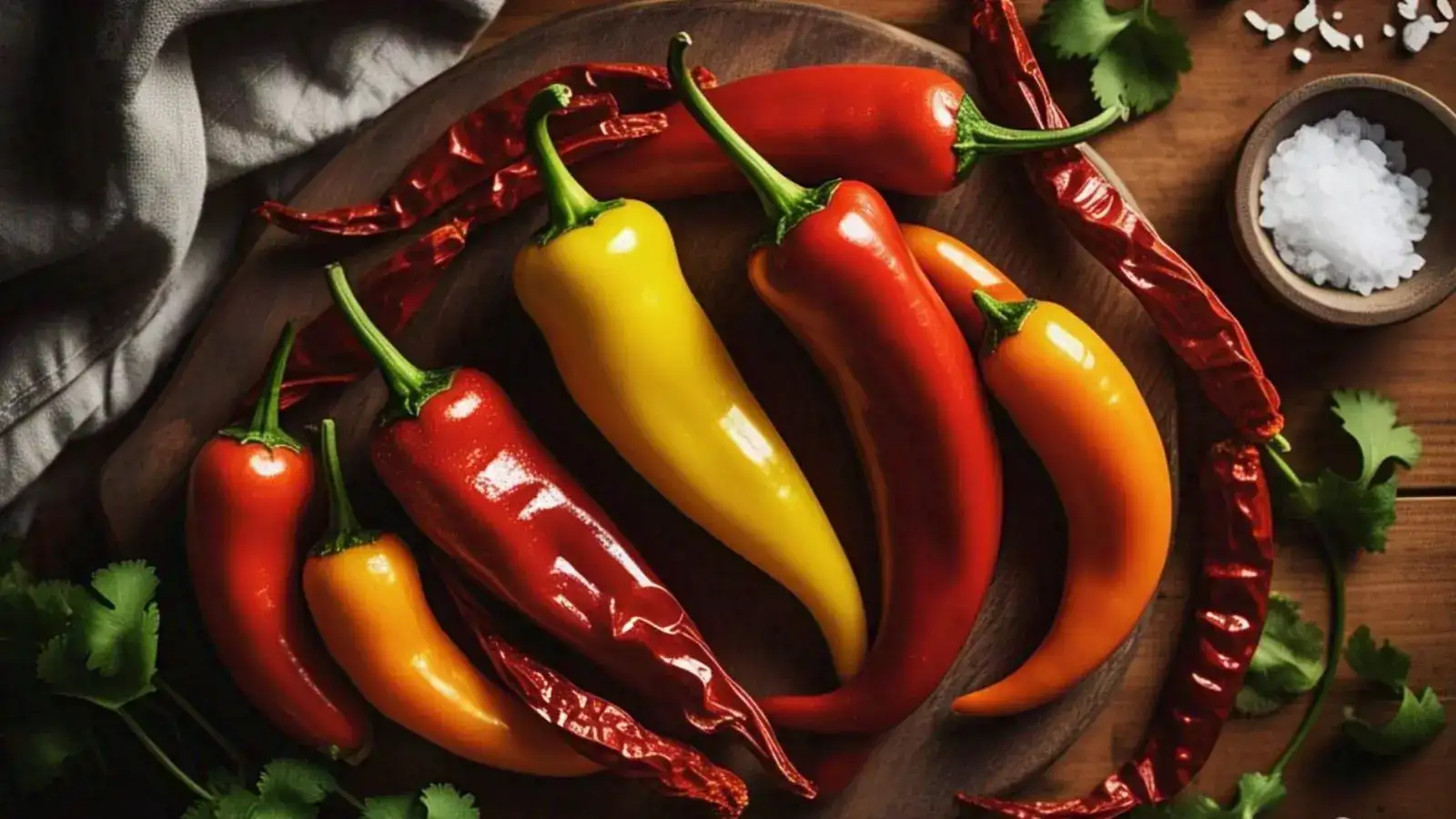
Ancient Roots of Chilli Peppers
Chilli peppers have been grown in Mexico for thousands of years, with their origins tracing back to ancient civilisations such as the Aztecs and Mayans. These communities used chillies not only in cooking but also for medicinal purposes and sacred rituals, highlighting their spiritual and practical value.
Variety and Versatility
Mexico is home to a wide range of chilli varieties, each offering its own level of heat and distinct flavour. From the smoky poblano to the fiery habanero and the ever-popular jalapeño, these chillies can be eaten fresh, dried, or roasted, making them incredibly versatile in the kitchen.
Chillies in Traditional Mexican Dishes
Mexican cuisine wouldn't be the same without chillies. They appear in countless dishes—tacos, salsas, soups, and stews. The famous mole sauce, a rich and complex staple, uses several types of chilli to achieve its layered taste. Chillies add not just heat, but depth, colour, and aroma to meals.
Cultural Significance of Chillies
Chillies are deeply woven into the fabric of Mexican culture. They are grown in home gardens, sold in bustling markets, and celebrated in festivals. Whether part of a local tradition or a family recipe passed down through generations, chillies represent Mexican pride and identity.
Health Benefits of Chilli Peppers
Beyond their flavour, chillies offer numerous health benefits. They are rich in vitamins A and C, promote better digestion, and may even help with pain relief. Some studies suggest that capsaicin, the compound that gives chillies their heat, may boost metabolism and immunity when consumed in moderation.
Chillies in Modern Mexican Cuisine
While chillies have ancient roots, they remain a vital part of modern Mexican cooking. Chefs today continue to explore new ways to incorporate chillies, blending traditional recipes with contemporary techniques. Their popularity has also spread worldwide, with Mexican chilli varieties available in international markets.
A Fiery Legacy That Lives On
From sacred rituals to street food, the chilli pepper’s journey in Mexico is one of flavour, function, and folklore. It symbolises the passion and richness of Mexican culture. Whether you’re enjoying a mild salsa or a hot mole, you’re tasting history in every bite.
Ancient Roots of Chilli Peppers
Chilli peppers have been grown in Mexico for thousands of years, with their origins tracing back to ancient civilisations such as the Aztecs and Mayans. These communities used chillies not only in cooking but also for medicinal purposes and sacred rituals, highlighting their spiritual and practical value.
Variety and Versatility
Mexico is home to a wide range of chilli varieties, each offering its own level of heat and distinct flavour. From the smoky poblano to the fiery habanero and the ever-popular jalapeño, these chillies can be eaten fresh, dried, or roasted, making them incredibly versatile in the kitchen.
You may also like
- Rashmika Mandanna steals the show at an engagement in gorgeous velvet anarkali; Vijay Deverakonda goes all-black
- Travelling this week? IMD flags heavy rain, flooding and landslide risks across these Indian states
- DIY: 5 smart air fryer hacks every home cook should know
- Beauty Tips : You don't need thousands of rupees to get glowing skin, do natural facials at home
- Parenting: The perfect morning routine for school-going children—say goodbye to the morning rush..
Chillies in Traditional Mexican Dishes
Mexican cuisine wouldn't be the same without chillies. They appear in countless dishes—tacos, salsas, soups, and stews. The famous mole sauce, a rich and complex staple, uses several types of chilli to achieve its layered taste. Chillies add not just heat, but depth, colour, and aroma to meals.
Cultural Significance of Chillies
Chillies are deeply woven into the fabric of Mexican culture. They are grown in home gardens, sold in bustling markets, and celebrated in festivals. Whether part of a local tradition or a family recipe passed down through generations, chillies represent Mexican pride and identity.
Health Benefits of Chilli Peppers
Beyond their flavour, chillies offer numerous health benefits. They are rich in vitamins A and C, promote better digestion, and may even help with pain relief. Some studies suggest that capsaicin, the compound that gives chillies their heat, may boost metabolism and immunity when consumed in moderation.
Chillies in Modern Mexican Cuisine
While chillies have ancient roots, they remain a vital part of modern Mexican cooking. Chefs today continue to explore new ways to incorporate chillies, blending traditional recipes with contemporary techniques. Their popularity has also spread worldwide, with Mexican chilli varieties available in international markets.
A Fiery Legacy That Lives On
From sacred rituals to street food, the chilli pepper’s journey in Mexico is one of flavour, function, and folklore. It symbolises the passion and richness of Mexican culture. Whether you’re enjoying a mild salsa or a hot mole, you’re tasting history in every bite.






Loving Newspoint? Download the app now
