
How to Create a Budget-Friendly Makeup Kit for Heat, Humidity and Daily Wear

Building a makeup collection can become expensive when every new trend introduces another must-have product. From primers and foundations to colour correctors, contour sticks, setting sprays and highlighters, it is easy to accumulate products that rarely leave the dressing table.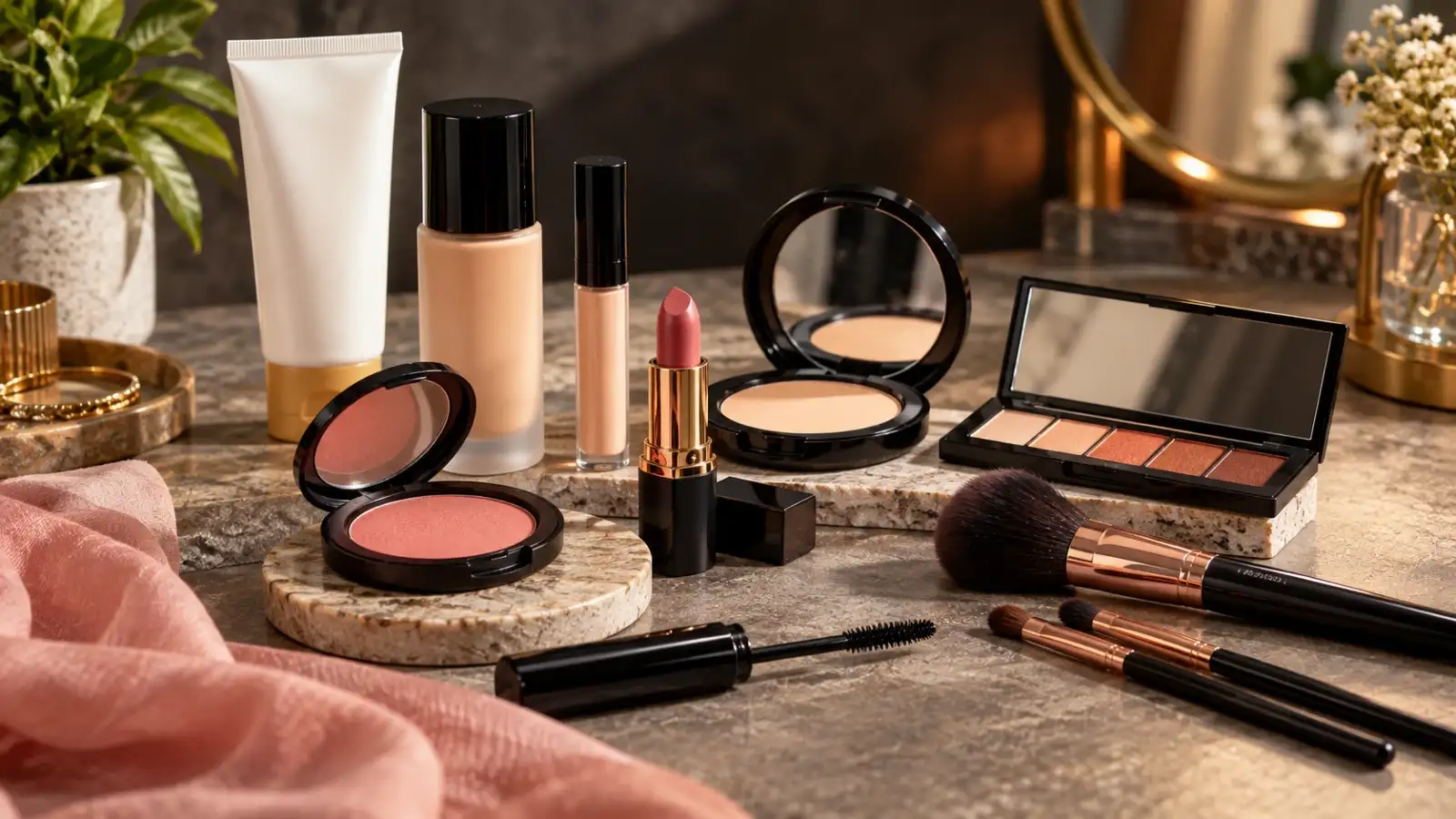
Indian weather makes choosing the right makeup particularly important. Hot summers, humid monsoons, dusty commutes and cooler winters can affect how products feel and perform on the skin. Heavy layers may feel uncomfortable in the heat, while dry winter weather can make certain matte formulas look patchy.
The solution is to build a small, practical makeup kit around your skin type, daily routine and personal preferences. You do not need every product available in the market. A few well-chosen essentials can create several everyday looks without unnecessary spending.
People with oily or acne-prone skin may prefer products labelled oil-free or non-comedogenic. Those with dry skin may find a more moisturising formula comfortable. Choose a sunscreen that suits your skin and feels comfortable enough to use consistently.
If you want a little coverage, a tinted sunscreen may reduce the need for a separate base product. However, it must still be applied in an adequate amount to provide the labelled sun protection. Do not rely on a thin layer of tinted product as your only protection.
Apply sunscreen before makeup and follow the product instructions for reapplication. If you spend extended periods outdoors, reapply as directed rather than assuming that your makeup will protect your skin throughout the day.
For everyday college, office or casual wear, a lightweight skin tint, BB cream or foundation with a natural finish may be sufficient. If you prefer your natural skin to show through, a sheer base can even out the appearance of your complexion without feeling too heavy.
Alternatively, you can skip an all-over base and use concealer only where you want additional coverage. This approach reduces the number of products you need and can feel more comfortable in hot weather.
Choose a shade that matches your face and neck in natural light. Avoid buying a lighter foundation simply to make your complexion look brighter. A suitable match generally blends more naturally and reduces the need for additional products to correct the colour.
If you mainly want to cover blemishes, choose a shade close to your skin tone. For under-eye coverage, you may prefer a flexible formula that blends easily and is less likely to settle into fine lines. Test whether one product provides enough coverage before purchasing another.
Apply a small amount only where needed and blend the edges. Heavy application can look cakey, particularly when sweat and facial oil affect makeup throughout the day.
If you have acne-prone skin, consider non-comedogenic products and pay attention to how your skin responds. Remove your makeup before sleeping and discontinue products that appear to trigger irritation or breakouts.
For oily skin, a lightweight mattifying powder may be useful. For dry skin, applying powder sparingly can help prevent the complexion from looking flat or emphasising dry patches. If your base product already gives you the finish you want, you may not need powder at all.
In hot and humid conditions, use a small amount on areas that tend to become shiny instead of coating your entire face. Blotting sheets or a clean tissue can also help manage excess oil during the day without repeatedly adding more product.
If you need a touch-up, gently blot away excess oil before applying a little powder. Layering powder directly over sweat can make the makeup look uneven and heavy.
Peach, rose, muted pink and berry shades are common options, although the best choice depends on your undertone and personal preference. Test the shade in natural light rather than relying entirely on online swatches.
Cream blushes can provide a fresh finish, while powder blushes may be more convenient if you prefer a matte look or want to reduce shine. Neither formula is automatically better for every Indian climate. Your skin type, the product's formulation and how much you sweat all influence its performance.
If you enjoy experimenting with colour, choose a multi-use product only when the manufacturer confirms that it is suitable for the areas where you plan to apply it. Do not assume that every lipstick or cheek tint is safe to use around the eyes.
If kajal is part of your everyday routine, one comfortable, eye-safe kajal may be enough. If you prefer a more defined look, choose an eyeliner that is suitable for the eye area. A neutral eyeshadow in a shade you regularly wear is an optional addition rather than a necessity.
Mascara is worth including if you use it frequently. In humid weather or during long commutes, a smudge-resistant formula may be more practical. Waterproof mascara can offer extra resistance to moisture, but it may require a suitable remover. Choose it only if you need that feature.
Keep eye products clean, avoid sharing them and follow their instructions. If you rarely use mascara or eyeshadow, leave them out of your initial kit and add them only when you identify a genuine need.
A muted pink, rose, brown, peach or another shade you regularly reach for can be a useful starting point. If you often attend events, you can add a deeper or brighter shade later rather than buying a large collection immediately.
A basic lip balm can help keep your lips comfortable, especially when air conditioning or cooler winter weather causes dryness. If you spend time outdoors, consider a lip product with sun protection and follow its reapplication instructions.
You can use a lipstick as a cheek colour if its formula is suitable for that purpose, but avoid using ordinary lipstick as eyeshadow unless it is specifically labelled for the eye area.
A primer may be useful if you have a specific concern, such as excess shine or makeup that tends to separate around the nose. However, test your existing products first. Applying several layers of skincare and makeup can sometimes make the base feel heavier rather than improve its performance.
Setting spray is similarly optional. It may help with the finish or wear of certain makeup combinations, but it is not a guarantee that makeup will remain unchanged throughout a hot, humid day.
Before buying either product, identify the problem you want to solve. If you cannot name a clear problem, there is no need to add another step to your routine.
During summer, prioritise comfortable textures and thin layers. Use sunscreen, apply base makeup sparingly and keep powder available for areas that become shiny. Avoid repeatedly wiping sweat across your face, as this can disturb makeup and irritate the skin.
During the monsoon, consider products that tolerate moisture if your usual makeup tends to smudge. Keep touch-ups simple and avoid adding more layers every time your face feels damp. A lightweight base and a dependable lip product may be all you need for everyday wear.
In winter, you may prefer a more moisturising base and less powder, particularly if your skin feels tight or flaky. Do not assume that an oily complexion cannot become dry or irritated during colder weather.
Across all seasons, choose products based on your actual skin needs rather than buying an entirely new collection because the weather has changed.
You may not need multiple foundations with similar coverage, several blushes in nearly identical shades, separate products for every contouring step or a large eyeshadow palette that you rarely use. Expensive brushes and elaborate makeup tools are also not essential if your existing tools apply products well.
Avoid purchasing a product just because it is described as suitable for every skin type or every season. Check the ingredients, intended use, shade and texture, and test it where possible before committing to a full-size purchase.
It is also useful to finish products you enjoy before buying replacements, provided they are within their recommended period of use and have not changed in smell, texture or appearance. Do not continue using expired or contaminated cosmetics simply to avoid waste.
Indian weather makes choosing the right makeup particularly important. Hot summers, humid monsoons, dusty commutes and cooler winters can affect how products feel and perform on the skin. Heavy layers may feel uncomfortable in the heat, while dry winter weather can make certain matte formulas look patchy.
The solution is to build a small, practical makeup kit around your skin type, daily routine and personal preferences. You do not need every product available in the market. A few well-chosen essentials can create several everyday looks without unnecessary spending.
1. Start With a Lightweight Sunscreen
Sunscreen should be part of your daytime skincare routine, even when you prefer minimal makeup. Choose a broad-spectrum sunscreen with SPF 30 or higher. A water-resistant formula may be useful if you spend time outdoors or sweat frequently.People with oily or acne-prone skin may prefer products labelled oil-free or non-comedogenic. Those with dry skin may find a more moisturising formula comfortable. Choose a sunscreen that suits your skin and feels comfortable enough to use consistently.
If you want a little coverage, a tinted sunscreen may reduce the need for a separate base product. However, it must still be applied in an adequate amount to provide the labelled sun protection. Do not rely on a thin layer of tinted product as your only protection.
Apply sunscreen before makeup and follow the product instructions for reapplication. If you spend extended periods outdoors, reapply as directed rather than assuming that your makeup will protect your skin throughout the day.
2. Choose One Base Product Instead of Several
You may not need a full-coverage foundation, BB cream, CC cream and tinted moisturiser in the same makeup kit. These products can serve similar purposes, so start by deciding how much coverage you actually use.For everyday college, office or casual wear, a lightweight skin tint, BB cream or foundation with a natural finish may be sufficient. If you prefer your natural skin to show through, a sheer base can even out the appearance of your complexion without feeling too heavy.
Alternatively, you can skip an all-over base and use concealer only where you want additional coverage. This approach reduces the number of products you need and can feel more comfortable in hot weather.
Choose a shade that matches your face and neck in natural light. Avoid buying a lighter foundation simply to make your complexion look brighter. A suitable match generally blends more naturally and reduces the need for additional products to correct the colour.
3. Buy One Concealer That Matches Your Needs
Concealer can help cover the appearance of blemishes, under-eye darkness and uneven skin tone. However, you do not necessarily need separate concealers for every concern.If you mainly want to cover blemishes, choose a shade close to your skin tone. For under-eye coverage, you may prefer a flexible formula that blends easily and is less likely to settle into fine lines. Test whether one product provides enough coverage before purchasing another.
Apply a small amount only where needed and blend the edges. Heavy application can look cakey, particularly when sweat and facial oil affect makeup throughout the day.
If you have acne-prone skin, consider non-comedogenic products and pay attention to how your skin responds. Remove your makeup before sleeping and discontinue products that appear to trigger irritation or breakouts.
4. Keep One Powder for Shine Control
A compact or loose setting powder can help reduce excess shine, particularly around the forehead, nose and chin. You do not need several powders with nearly identical finishes.For oily skin, a lightweight mattifying powder may be useful. For dry skin, applying powder sparingly can help prevent the complexion from looking flat or emphasising dry patches. If your base product already gives you the finish you want, you may not need powder at all.
In hot and humid conditions, use a small amount on areas that tend to become shiny instead of coating your entire face. Blotting sheets or a clean tissue can also help manage excess oil during the day without repeatedly adding more product.
If you need a touch-up, gently blot away excess oil before applying a little powder. Layering powder directly over sweat can make the makeup look uneven and heavy.
5. Pick One Blush for Everyday Looks
Blush can make a simple makeup look appear more put together, but owning several similar shades is not essential. Start with one colour that complements your complexion and suits the looks you wear most often.Peach, rose, muted pink and berry shades are common options, although the best choice depends on your undertone and personal preference. Test the shade in natural light rather than relying entirely on online swatches.
Cream blushes can provide a fresh finish, while powder blushes may be more convenient if you prefer a matte look or want to reduce shine. Neither formula is automatically better for every Indian climate. Your skin type, the product's formulation and how much you sweat all influence its performance.
If you enjoy experimenting with colour, choose a multi-use product only when the manufacturer confirms that it is suitable for the areas where you plan to apply it. Do not assume that every lipstick or cheek tint is safe to use around the eyes.
6. Choose One or Two Everyday Eye Products
You can create a simple eye look without buying an eyeshadow palette, several eyeliners, multiple kajals and different mascaras.If kajal is part of your everyday routine, one comfortable, eye-safe kajal may be enough. If you prefer a more defined look, choose an eyeliner that is suitable for the eye area. A neutral eyeshadow in a shade you regularly wear is an optional addition rather than a necessity.
Mascara is worth including if you use it frequently. In humid weather or during long commutes, a smudge-resistant formula may be more practical. Waterproof mascara can offer extra resistance to moisture, but it may require a suitable remover. Choose it only if you need that feature.
Keep eye products clean, avoid sharing them and follow their instructions. If you rarely use mascara or eyeshadow, leave them out of your initial kit and add them only when you identify a genuine need.
7. Keep One Everyday Lipstick and a Lip Balm
Lip products are a practical area in which to simplify your collection. Instead of purchasing several shades that look almost identical, choose one everyday lipstick that works with your usual clothing and makeup.A muted pink, rose, brown, peach or another shade you regularly reach for can be a useful starting point. If you often attend events, you can add a deeper or brighter shade later rather than buying a large collection immediately.
A basic lip balm can help keep your lips comfortable, especially when air conditioning or cooler winter weather causes dryness. If you spend time outdoors, consider a lip product with sun protection and follow its reapplication instructions.
You can use a lipstick as a cheek colour if its formula is suitable for that purpose, but avoid using ordinary lipstick as eyeshadow unless it is specifically labelled for the eye area.
8. Buy Primer and Setting Spray Only If You Need Them
Primers and setting sprays are often marketed as essential steps, but not everyone needs both. If your sunscreen and base makeup sit comfortably on your skin and last long enough for your routine, you can skip primer.A primer may be useful if you have a specific concern, such as excess shine or makeup that tends to separate around the nose. However, test your existing products first. Applying several layers of skincare and makeup can sometimes make the base feel heavier rather than improve its performance.
Setting spray is similarly optional. It may help with the finish or wear of certain makeup combinations, but it is not a guarantee that makeup will remain unchanged throughout a hot, humid day.
Before buying either product, identify the problem you want to solve. If you cannot name a clear problem, there is no need to add another step to your routine.
How to Adjust Your Makeup Kit to Indian Seasons
Indian weather varies widely between regions, so a routine suitable for humid Mumbai may not feel the same in dry Delhi winters or cooler hill stations. Instead of replacing your entire kit with each season, make small adjustments.During summer, prioritise comfortable textures and thin layers. Use sunscreen, apply base makeup sparingly and keep powder available for areas that become shiny. Avoid repeatedly wiping sweat across your face, as this can disturb makeup and irritate the skin.
During the monsoon, consider products that tolerate moisture if your usual makeup tends to smudge. Keep touch-ups simple and avoid adding more layers every time your face feels damp. A lightweight base and a dependable lip product may be all you need for everyday wear.
In winter, you may prefer a more moisturising base and less powder, particularly if your skin feels tight or flaky. Do not assume that an oily complexion cannot become dry or irritated during colder weather.
Across all seasons, choose products based on your actual skin needs rather than buying an entirely new collection because the weather has changed.
What You Should Avoid Buying Unnecessarily
A minimal makeup kit becomes easier to maintain when you stop buying products simply because they are trending. Before purchasing anything new, check whether an item duplicates something you already own.You may not need multiple foundations with similar coverage, several blushes in nearly identical shades, separate products for every contouring step or a large eyeshadow palette that you rarely use. Expensive brushes and elaborate makeup tools are also not essential if your existing tools apply products well.
Avoid purchasing a product just because it is described as suitable for every skin type or every season. Check the ingredients, intended use, shade and texture, and test it where possible before committing to a full-size purchase.
It is also useful to finish products you enjoy before buying replacements, provided they are within their recommended period of use and have not changed in smell, texture or appearance. Do not continue using expired or contaminated cosmetics simply to avoid waste.
A Simple Minimal Makeup Kit Checklist
For most everyday routines, you can begin with these essentials and add more only when needed.- Sunscreen suited to your skin and outdoor routine
- One lightweight base product, or concealer alone
- One concealer if you need targeted coverage
- One compact or loose powder if you experience excess shine
- One blush
- One or two eye products, such as kajal or mascara
- One everyday lipstick
- One lip balm
Next Story