
Monsoon Eating Guide: Which Vegetables to Avoid and What to Eat Instead

The arrival of the monsoon brings much-needed relief from the heat, but it also increases the risk of foodborne illnesses. With rising humidity and dampness, certain vegetables can become a hotspot for bacteria and fungi. While veggies are vital for a balanced diet, some may do more harm than good during the rainy season. Here’s a smart guide to what to skip and what to eat instead to stay healthy.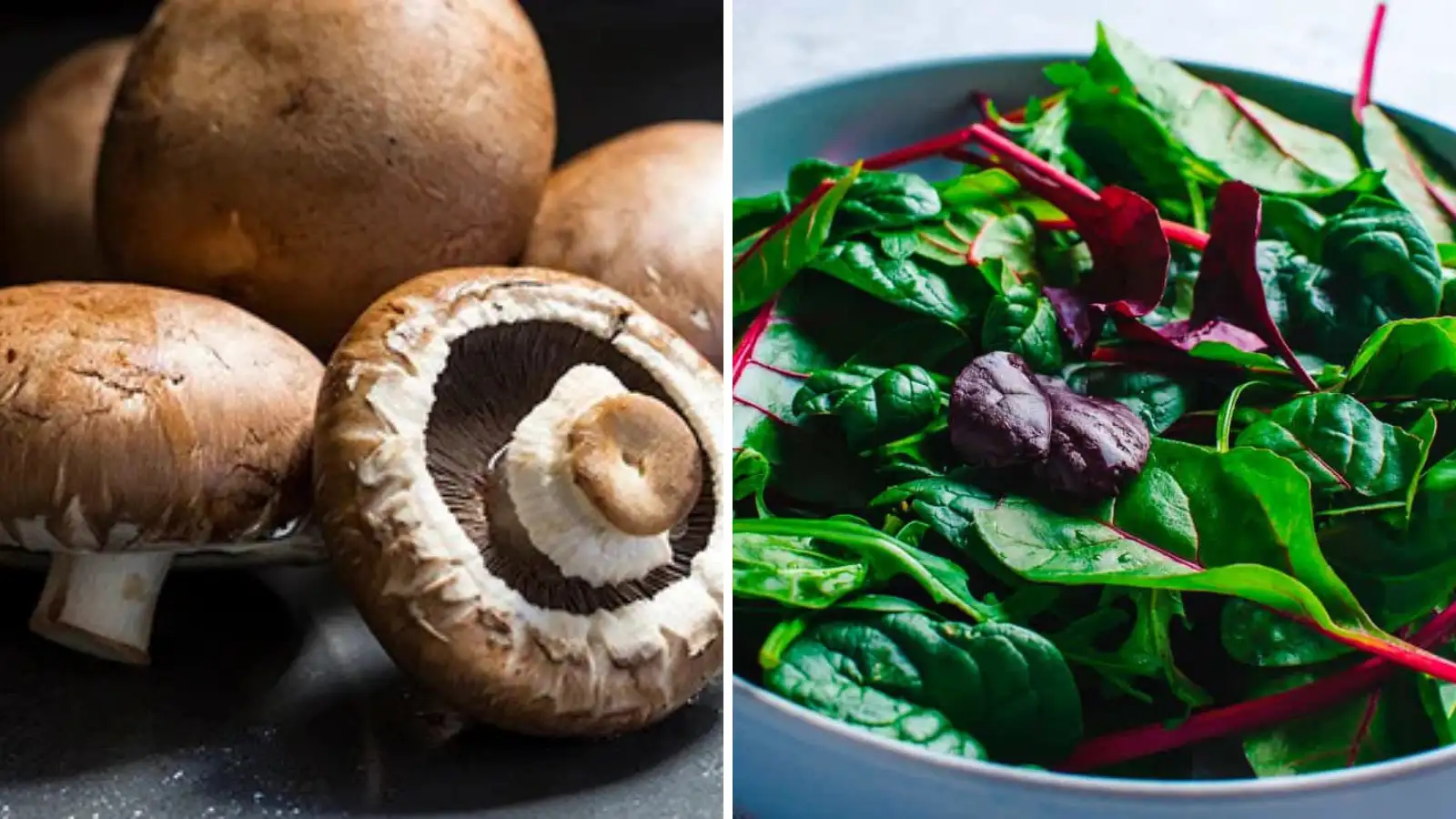
Vegetables to Avoid During the Monsoon
1. Leafy Greens (Spinach, Fenugreek):
Despite their health benefits, leafy vegetables can easily trap moisture and bacteria. Their textured surfaces make it difficult to clean them thoroughly, making them a potential source of infections during this season.
2. Mushrooms:
Known for absorbing flavour—and moisture—mushrooms act like sponges in humid weather. This makes them highly susceptible to bacterial contamination, especially if not cooked immediately or stored properly.
3. Potatoes:
Sprouted potatoes are common during the monsoon, thanks to excess moisture. These sprouts contain solanine, a toxin that can trigger headaches, nausea, and even digestive distress if consumed in large amounts.
4. Cruciferous Vegetables (Cabbage, Cauliflower):
These tightly packed vegetables are tricky to clean. Even after washing, hidden layers may hold bacteria, dirt, and moisture, raising the risk of foodborne infections during the wet season.
Safer Vegetable Choices for the Rainy Season
If you're steering clear of risky veggies, don’t worry - there are plenty of healthy, safe alternatives to keep your meals nourishing and satisfying.
1. Bottle Gourd:
Light, hydrating, and easy to digest, bottle gourd is a monsoon favourite. It’s gentle on the stomach and packed with essential nutrients.
2. Corn:
A good source of fibre and antioxidants, corn is not only delicious but also safe to consume when cooked well, making it perfect for monsoon snacking.
3. Ridge Gourd:
With its high water content and easy-to-clean surface, ridge gourd is an excellent monsoon vegetable that supports digestion and immunity.
4. Cluster Beans:
These beans are low in moisture and easy to clean. They’re rich in fibre and iron, making them a safe and nutritious monsoon-friendly option.
5. Tindora (Ivy Gourd):
Tindora is another great choice during the rainy season. It’s less prone to contamination and offers multiple health benefits, including blood sugar regulation.
Eating clean during the monsoon isn’t just about hygiene - it’s about making smart choices. Avoid high-moisture and hard-to-clean vegetables, and instead choose safer, nutrient-rich alternatives that support digestion and immunity. A little caution can go a long way in keeping monsoon illnesses at bay.
Vegetables to Avoid During the Monsoon
1. Leafy Greens (Spinach, Fenugreek):
Despite their health benefits, leafy vegetables can easily trap moisture and bacteria. Their textured surfaces make it difficult to clean them thoroughly, making them a potential source of infections during this season.
2. Mushrooms:
Known for absorbing flavour—and moisture—mushrooms act like sponges in humid weather. This makes them highly susceptible to bacterial contamination, especially if not cooked immediately or stored properly.
3. Potatoes:
Sprouted potatoes are common during the monsoon, thanks to excess moisture. These sprouts contain solanine, a toxin that can trigger headaches, nausea, and even digestive distress if consumed in large amounts.
4. Cruciferous Vegetables (Cabbage, Cauliflower):
These tightly packed vegetables are tricky to clean. Even after washing, hidden layers may hold bacteria, dirt, and moisture, raising the risk of foodborne infections during the wet season.
Safer Vegetable Choices for the Rainy Season
If you're steering clear of risky veggies, don’t worry - there are plenty of healthy, safe alternatives to keep your meals nourishing and satisfying.
1. Bottle Gourd:
Light, hydrating, and easy to digest, bottle gourd is a monsoon favourite. It’s gentle on the stomach and packed with essential nutrients.
2. Corn:
A good source of fibre and antioxidants, corn is not only delicious but also safe to consume when cooked well, making it perfect for monsoon snacking.
3. Ridge Gourd:
With its high water content and easy-to-clean surface, ridge gourd is an excellent monsoon vegetable that supports digestion and immunity.
4. Cluster Beans:
These beans are low in moisture and easy to clean. They’re rich in fibre and iron, making them a safe and nutritious monsoon-friendly option.
5. Tindora (Ivy Gourd):
Tindora is another great choice during the rainy season. It’s less prone to contamination and offers multiple health benefits, including blood sugar regulation.
Eating clean during the monsoon isn’t just about hygiene - it’s about making smart choices. Avoid high-moisture and hard-to-clean vegetables, and instead choose safer, nutrient-rich alternatives that support digestion and immunity. A little caution can go a long way in keeping monsoon illnesses at bay.
Next Story