
Monsoon Fever Symptoms You Should Never Ignore During The Rainy Season

The monsoon brings relief from intense heat, but the season can also see an increase in illnesses associated with viruses, mosquitoes and contaminated food or water. Fever is a common symptom, yet not every fever should be treated as a minor seasonal problem. According to healthcare experts, the pattern of the fever and accompanying symptoms can offer important clues about its severity. Persistent high temperature, severe weakness or breathing problems should not be ignored. Recognising monsoon fever symptoms early and seeking timely medical advice can help prevent complications and ensure the right treatment.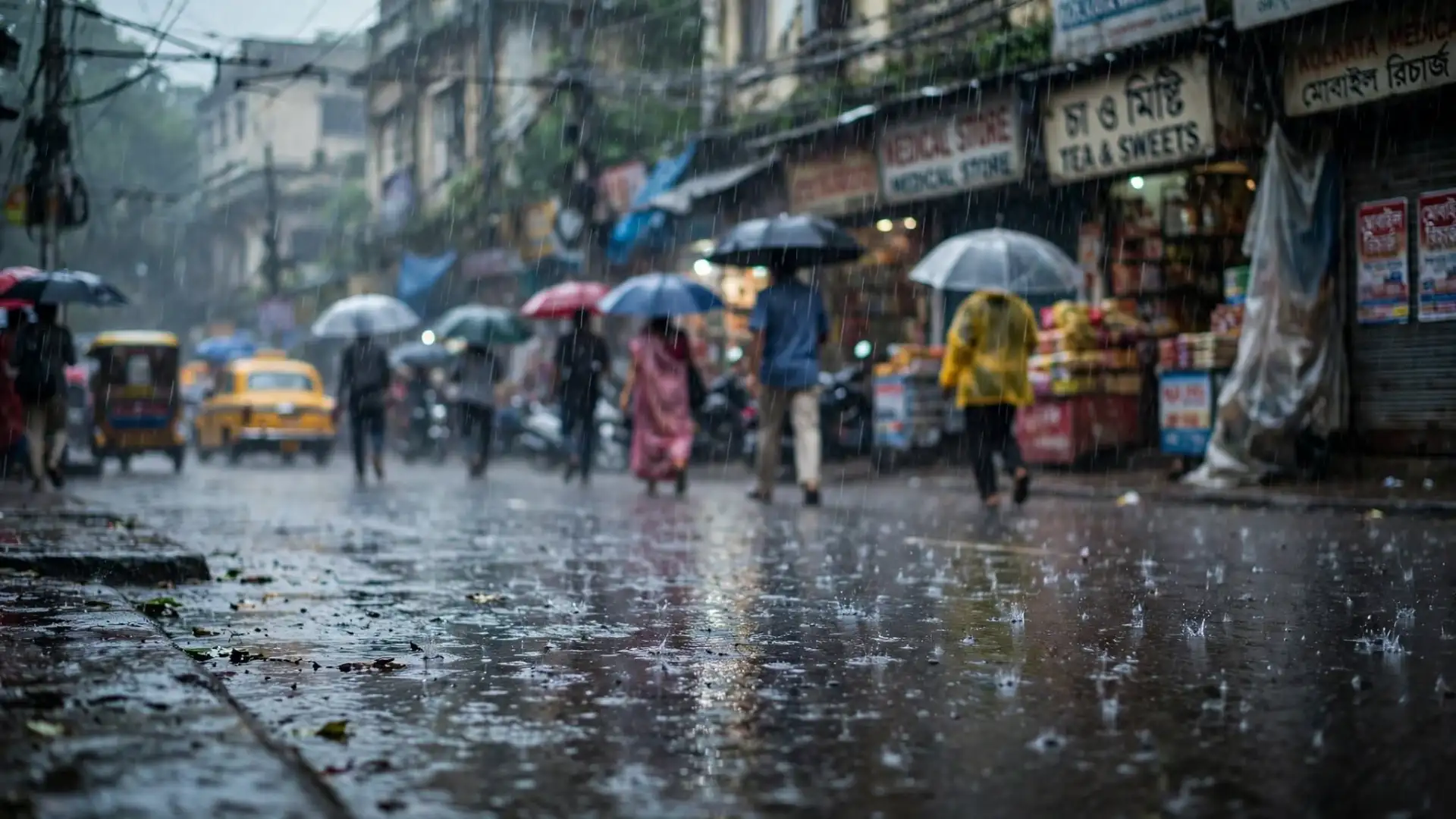
Experts recommend avoiding self-medication, as different rainy season illnesses can produce similar symptoms but require different forms of treatment.
Drink adequate safe fluids and rest, but do not ignore symptoms that make it difficult to carry out normal activities. Severe weakness is one of the fever warning signs that may require medical evaluation.
According to doctors, respiratory symptoms can sometimes indicate an infection that needs proper assessment. Delaying care in such situations may increase the risk of complications.
Safe drinking water and oral rehydration may help in some cases, but persistent symptoms should be assessed by a healthcare professional.
Knowing when to see a doctor for fever is particularly important during the monsoon. Rather than assuming every fever is a routine viral illness, pay attention to changes in symptoms and seek medical advice when the condition is severe, persistent or worsening.
Image Courtesy: Meta AI
Persistent Or High Fever
A mild fever may settle with rest and appropriate care, but a persistent or high temperature needs closer attention. If the fever continues for several days or repeatedly returns, it is advisable to consult a doctor.Experts recommend avoiding self-medication, as different rainy season illnesses can produce similar symptoms but require different forms of treatment.
Severe Weakness And Dizziness
Feeling tired during a fever is common, but extreme weakness, fainting or persistent dizziness may signal dehydration or another underlying problem.Drink adequate safe fluids and rest, but do not ignore symptoms that make it difficult to carry out normal activities. Severe weakness is one of the fever warning signs that may require medical evaluation.
You may also like
- Why Guwahati airport has 1 lakh plants, the idea that turned it into a 'living forest'
- From sheep to sweater: This woman spent 4-months and Rs 70,000 in making a sweater from scratch - her experiment reveals the real cost of slow fashion
- Sundar Pichai shares 3 life filters that helped him get 'more moments right than wrong': 'When you have the choice to work on something hard, say yes'
- Treatment Options For Managing Food Poisoning During Pregnancy
- Quote of the day by Leonardo da Vinci: “It had long since come to my attention that people of accomplishment rarely sat back and let things happen to them. They went out and happened to things.
Difficulty Breathing Or Chest Pain
Breathing difficulty should never be treated as a routine symptom of a seasonal fever. Shortness of breath, rapid breathing or chest pain requires prompt medical attention.According to doctors, respiratory symptoms can sometimes indicate an infection that needs proper assessment. Delaying care in such situations may increase the risk of complications.
Persistent Vomiting Or Dehydration
Repeated vomiting, inability to keep fluids down, a very dry mouth or reduced urination may indicate dehydration. This can become particularly concerning for children, older adults and people with existing health conditions.Safe drinking water and oral rehydration may help in some cases, but persistent symptoms should be assessed by a healthcare professional.
Rashes, Severe Pain Or Confusion
A fever accompanied by an unusual rash, severe headache, intense body pain, confusion or unusual drowsiness should not be ignored. Such symptoms may require urgent evaluation to identify the underlying cause.Knowing when to see a doctor for fever is particularly important during the monsoon. Rather than assuming every fever is a routine viral illness, pay attention to changes in symptoms and seek medical advice when the condition is severe, persistent or worsening.
Image Courtesy: Meta AI






Loving Newspoint? Download the app now
