
10 Things You Should Do Once a Month to Keep Your Home in Good Shape

Keeping your home clean and organised is important, but regular maintenance is equally necessary to prevent small problems from turning into expensive repairs. Some household issues, such as leaking taps, clogged filters and expired products, can easily go unnoticed when you are busy with everyday chores.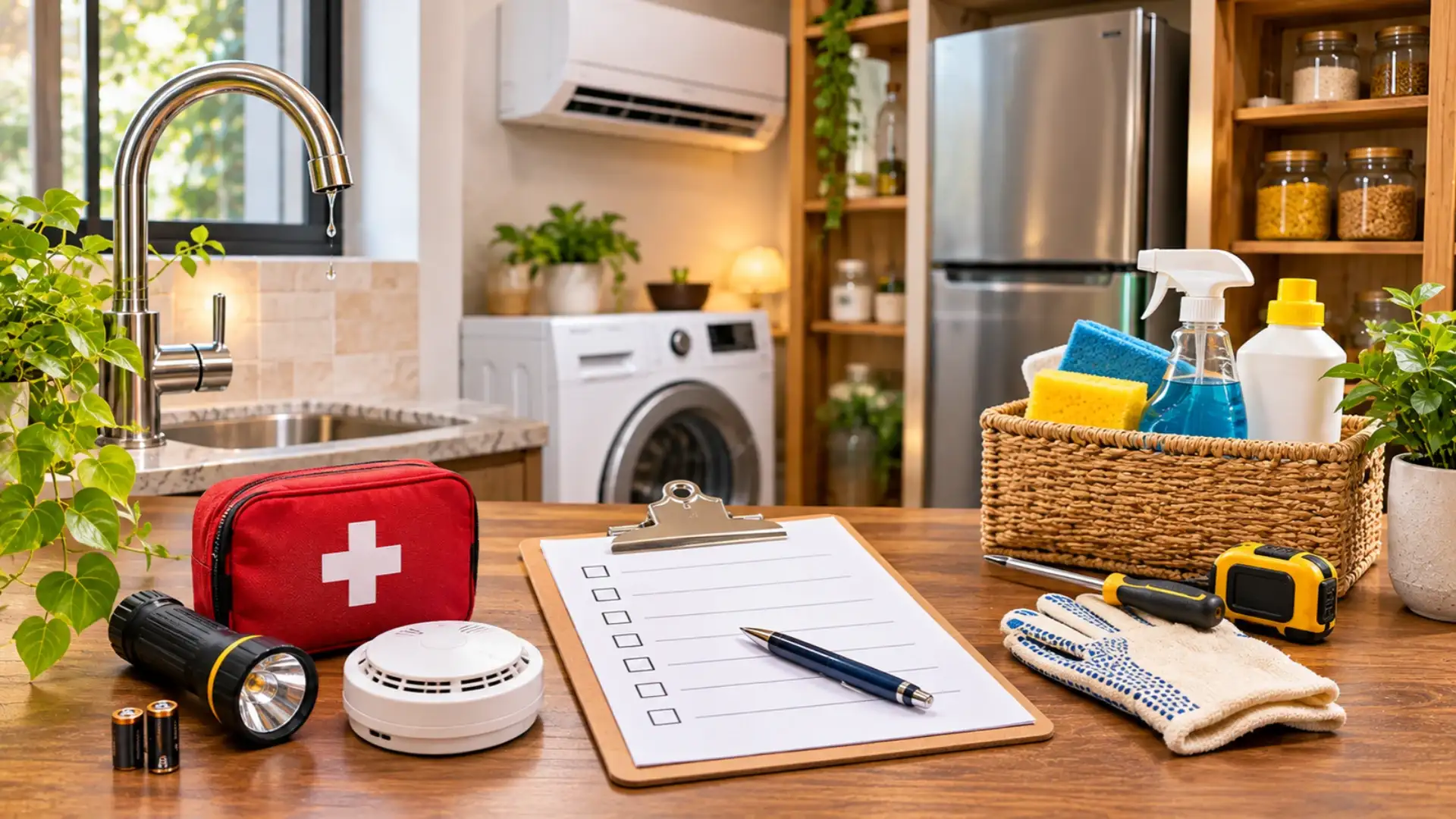
Setting aside a little time once a month to inspect different areas of your home can help you maintain a cleaner, safer and more organised space. Here are 10 things you should include in your monthly home maintenance routine.
Setting aside a little time once a month to inspect different areas of your home can help you maintain a cleaner, safer and more organised space. Here are 10 things you should include in your monthly home maintenance routine.
1. Check Taps and Plumbing Fixtures
Inspect kitchen and bathroom taps, showerheads, pipes and visible plumbing connections for leaks or dripping water. Even a small leak can lead to water wastage, dampness and damage to cabinets or walls over time. Check under sinks for moisture and look for signs of corrosion around fittings. If you notice persistent leaks or drainage problems, arrange for a plumber to inspect them.2. Clean Appliance Filters
Appliances such as air conditioners, washing machines, dishwashers and kitchen chimneys have filters that collect dust, lint, grease and other debris. Dirty filters can affect their performance and make them work harder. Check the manufacturer's instructions and clean or replace filters as recommended. For example, washing machine lint filters and removable AC filters may need more frequent cleaning depending on usage.3. Inspect Electrical Fittings
Take a few minutes to check switches, sockets, extension boards and visible electrical cords for signs of damage. Look out for loose fittings, discolouration, burning smells or unusual heating. Avoid using damaged sockets or overloaded extension boards. Never attempt to repair electrical wiring yourself. Contact a qualified electrician if you notice anything unusual.You may also like
- Have a ₹20 lakh mutual fund investment? How many years will the money last if you withdraw ₹10,000 every month via an SWP?
- Mutual Fund SIP: Invest just ₹3.6 lakh and accumulate ₹10 lakh! Here's how a monthly SIP of ₹2,000 can help you build a substantial corpus
- 8th Pay Commission: Pensioners' concerns reach PM Modi! A major demand raised for those who retired before January 1, 2026.
- Priyanka Chopra takes Malti on a wildlife adventure at a zoo, where feeding kangaroos and cuddling koalas become lessons in curiosity and how parents can teach children to love and respect animals
- Can Babies Wear Woollen Clothes Directly?
4. Organise Storage Cabinets and Drawers
Over time, cupboards, kitchen cabinets and storage drawers can become cluttered with items that are rarely used. Once a month, sort through these spaces and return misplaced belongings to their designated areas. Remove things you no longer need and make frequently used items easier to access. This also helps you identify damaged household essentials before they become a bigger problem.5. Check Expiry Dates on Food and Household Products
Go through your refrigerator, pantry and bathroom cabinets to check the expiry dates of stored products. Pay attention to packaged food, sauces, medicines and personal care products. Discard items that are expired or show signs of spoilage. Also check cleaning products and other household supplies for damaged packaging or changes in condition, following their storage and disposal instructions.6. Inspect Walls and Ceilings for Dampness
Look for water stains, peeling paint, cracks and patches of dampness on walls and ceilings. These signs may indicate leakage, poor ventilation or moisture problems. Pay special attention to bathrooms, kitchen walls and areas near windows. Addressing the source early can prevent further damage and reduce the risk of mould growth.7. Clean Refrigerator Coils and Door Seals
The refrigerator needs regular attention to maintain its performance. Check the door seals for food residue, dirt or damage, and clean them gently with a suitable cloth. If your refrigerator has accessible condenser coils, clean them according to the manufacturer's instructions. Make sure the appliance is switched off and disconnected from power before cleaning any accessible components that require it.8. Check Smoke Alarms and Safety Essentials
If your home has smoke alarms, test them according to the manufacturer's instructions and check their batteries when required. Also inspect your first-aid kit, torch, emergency lights and fire extinguisher. Replace used or expired supplies and make sure essential safety equipment is easy to access. These checks are simple but important for household preparedness.9. Maintain Doors, Windows and Furniture
Check door handles, hinges, window locks and cabinet fittings for looseness or damage. Tighten minor loose screws where it is safe to do so and use an appropriate lubricant for squeaky hinges. Also look for signs of wear on furniture, such as unstable legs or damaged edges. Timely attention can prevent small maintenance issues from becoming costly repairs.10. Review Household Essentials and Supplies
Check whether you have enough everyday supplies, including cleaning products, garbage bags, batteries, light bulbs and basic repair materials. Refill items that are running low and replace essentials that are damaged or no longer working. Keeping a simple monthly inventory can prevent last-minute trips to the store and help you manage household expenses more efficiently.Final Thoughts
A well-maintained home does not require constant repairs or major cleaning sessions. Small monthly checks can help you identify plumbing issues, maintain appliances, improve organisation and keep important household supplies in order. Create a simple checklist and spend some time following it every month. These consistent efforts can help keep your home comfortable, functional and in good condition.





Loving Newspoint? Download the app now
