
More Than A Drink: The Story Of Vietnamese Coffee Culture

Vietnam is a nation known for its deep-rooted coffee culture, where the drink is more than just a morning pick-me-up—it is a national passion. From bustling city cafes to quiet rural settings, the Vietnamese approach to coffee offers a unique and bold experience. It is a blend of tradition, innovation, and local ingredients that make the coffee culture in Vietnam truly one-of-a-kind. Let’s explore the fascinating journey of Vietnamese coffee , from its introduction to the country to the distinct flavours that define its coffee culture today. 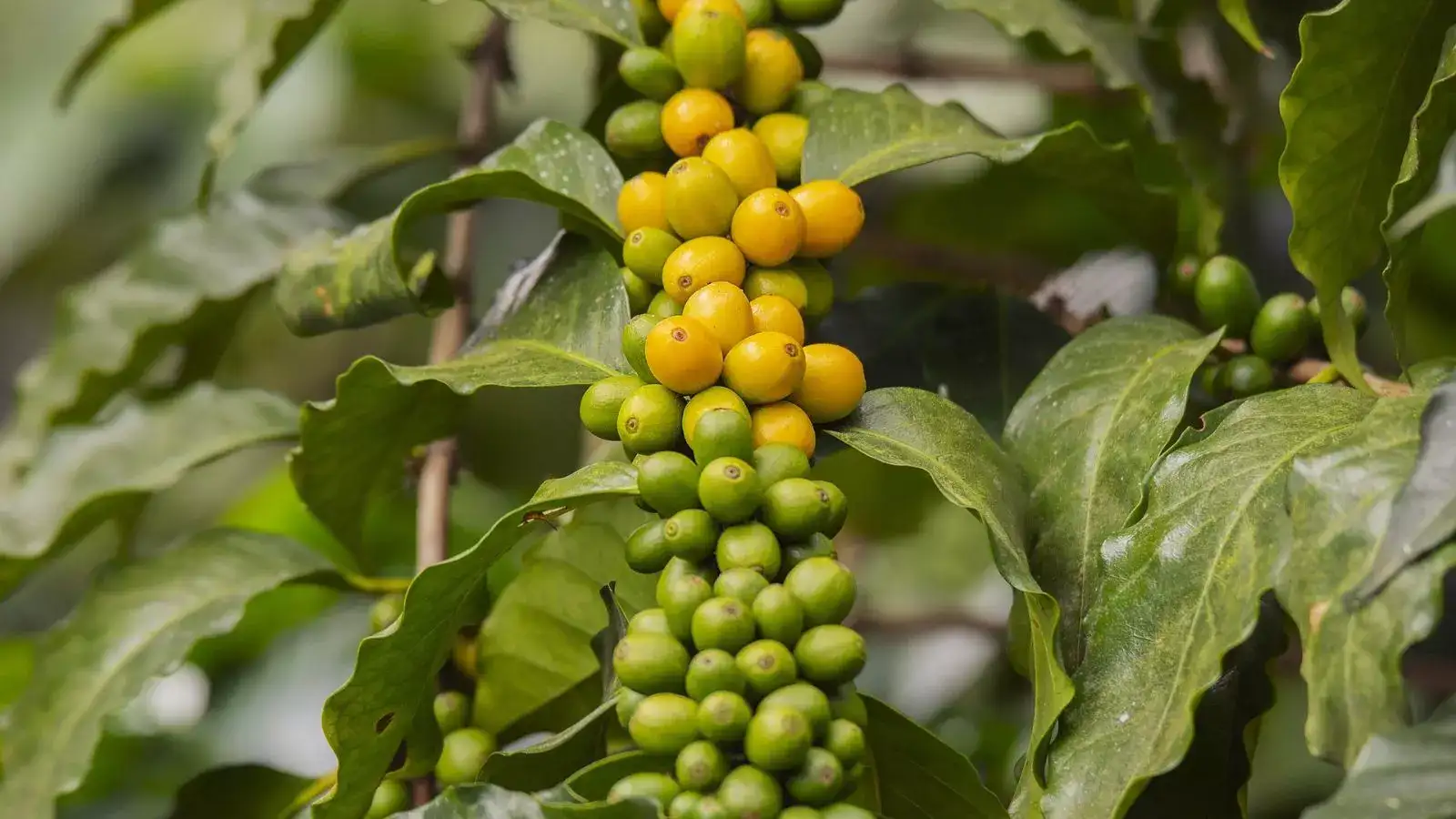 Image Credit: Pixabay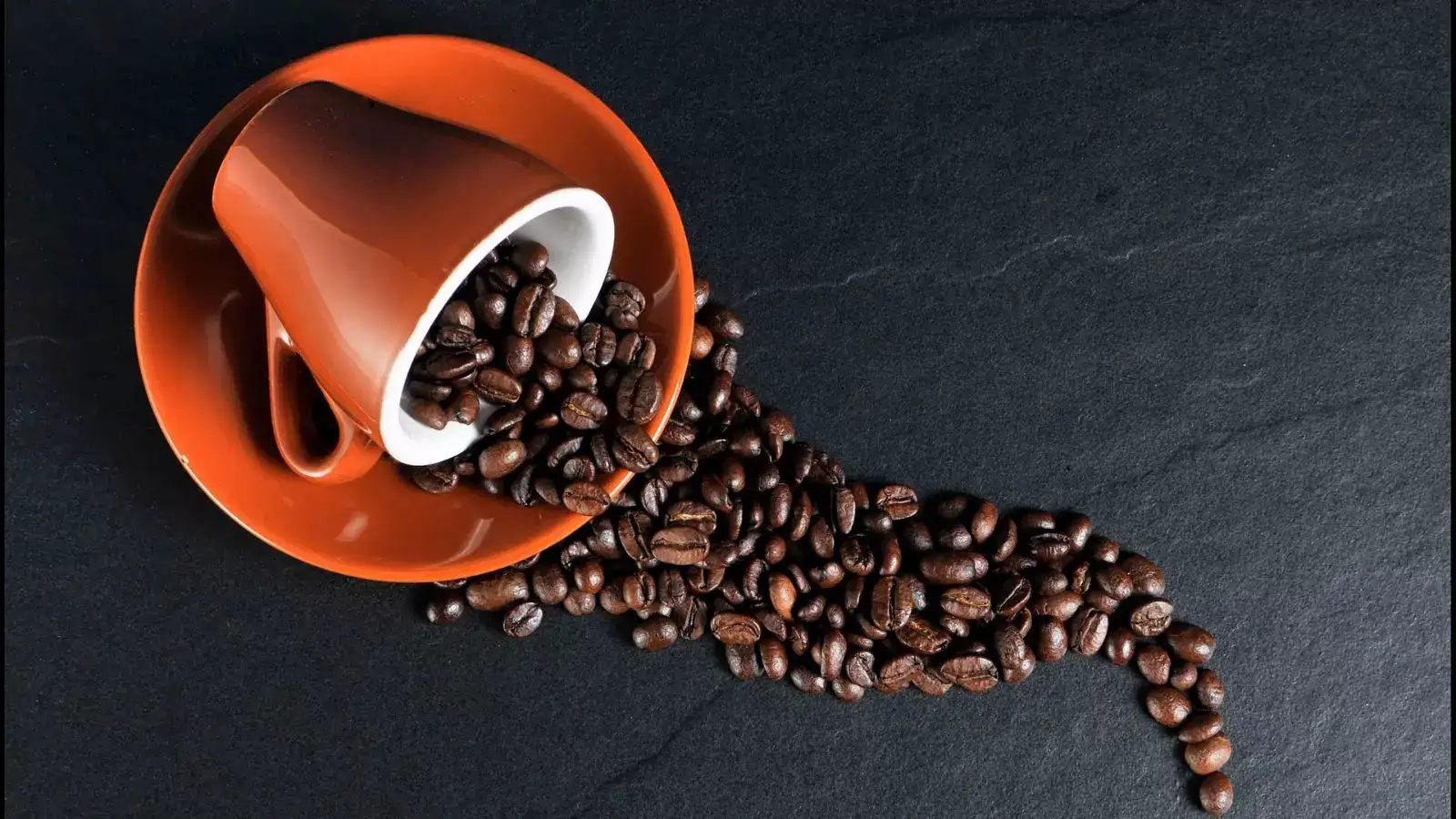
The Origins of Coffee in Vietnam
The introduction of coffee to Vietnam dates back to the 19th century when the French colonised the country. French missionaries brought coffee seeds to Vietnam in the 1850s, and the coffee plant thrived in the highlands of central Vietnam, particularly in areas like Da Lat and Buon Ma Thuot. Over time, the coffee trade became a key part of Vietnam’s economy, and the country now stands as one of the world’s largest coffee producers, particularly renowned for its robusta beans.
The French influence on coffee culture in Vietnam was significant, introducing methods like espresso brewing and café-style gatherings. However, over the years, Vietnam has crafted its own identity when it comes to coffee, blending French techniques with indigenous flavours to create a coffee culture that is distinctively Vietnamese.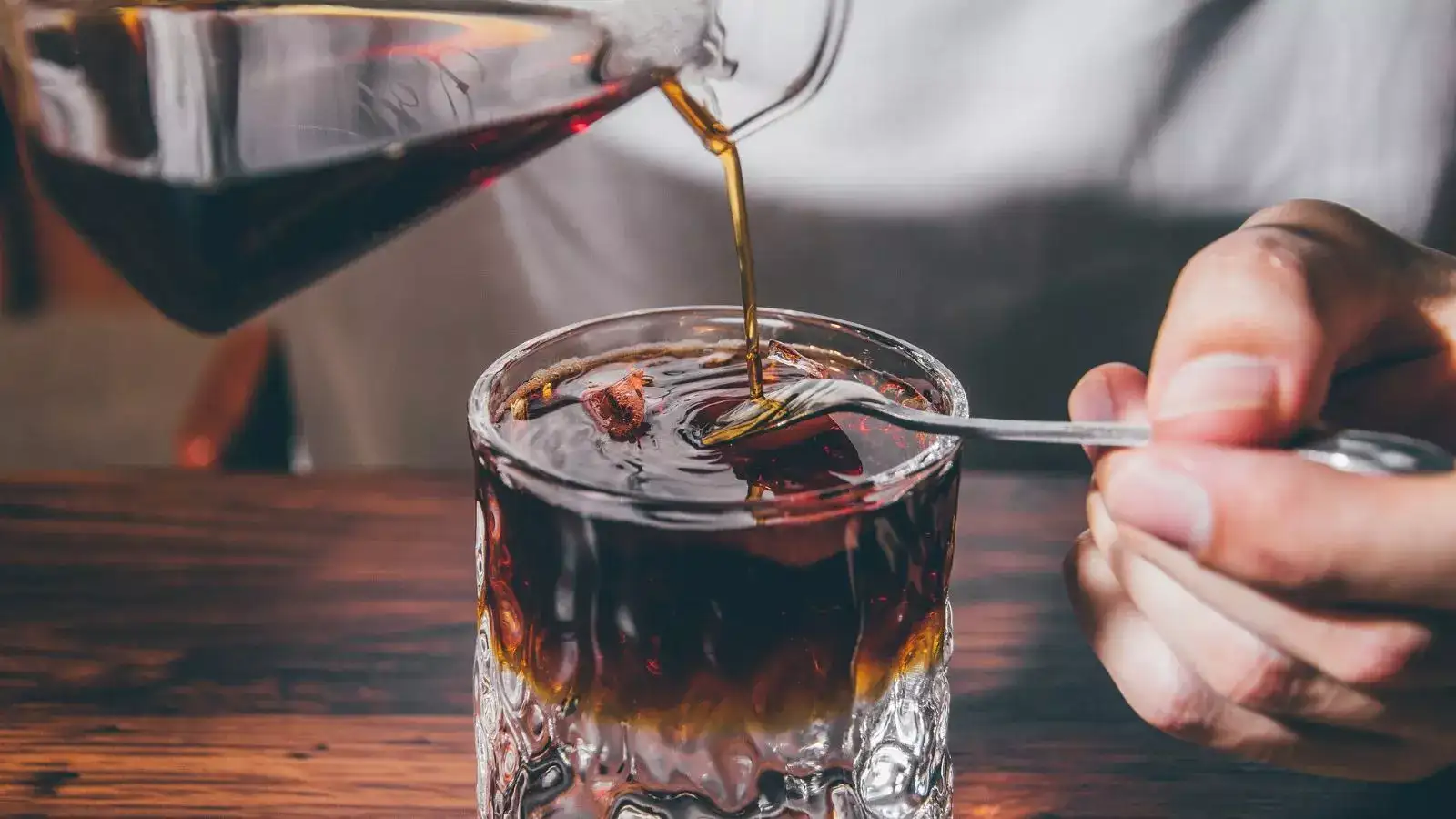 Image Credit: Pixabay
Coffee Varieties: Robusta vs. Arabica
Vietnamese coffee primarily consists of two types of beans—robusta and arabica. While arabica beans are more commonly associated with high-end, specialty coffee worldwide, it is the robusta bean that dominates the Vietnamese coffee scene. Robusta beans are known for their bold and stronger flavour, which often has a bitter undertone, making them the ideal choice for the local palate.
The robusta variety is more resilient to the climate and terrain of Vietnam, thriving in the central and southern regions of the country. It is also more affordable to grow and harvest, which contributes to its widespread use. While arabica is also grown in some areas, robusta remains the backbone of Vietnamese coffee culture, especially when it comes to the traditional coffee preparations.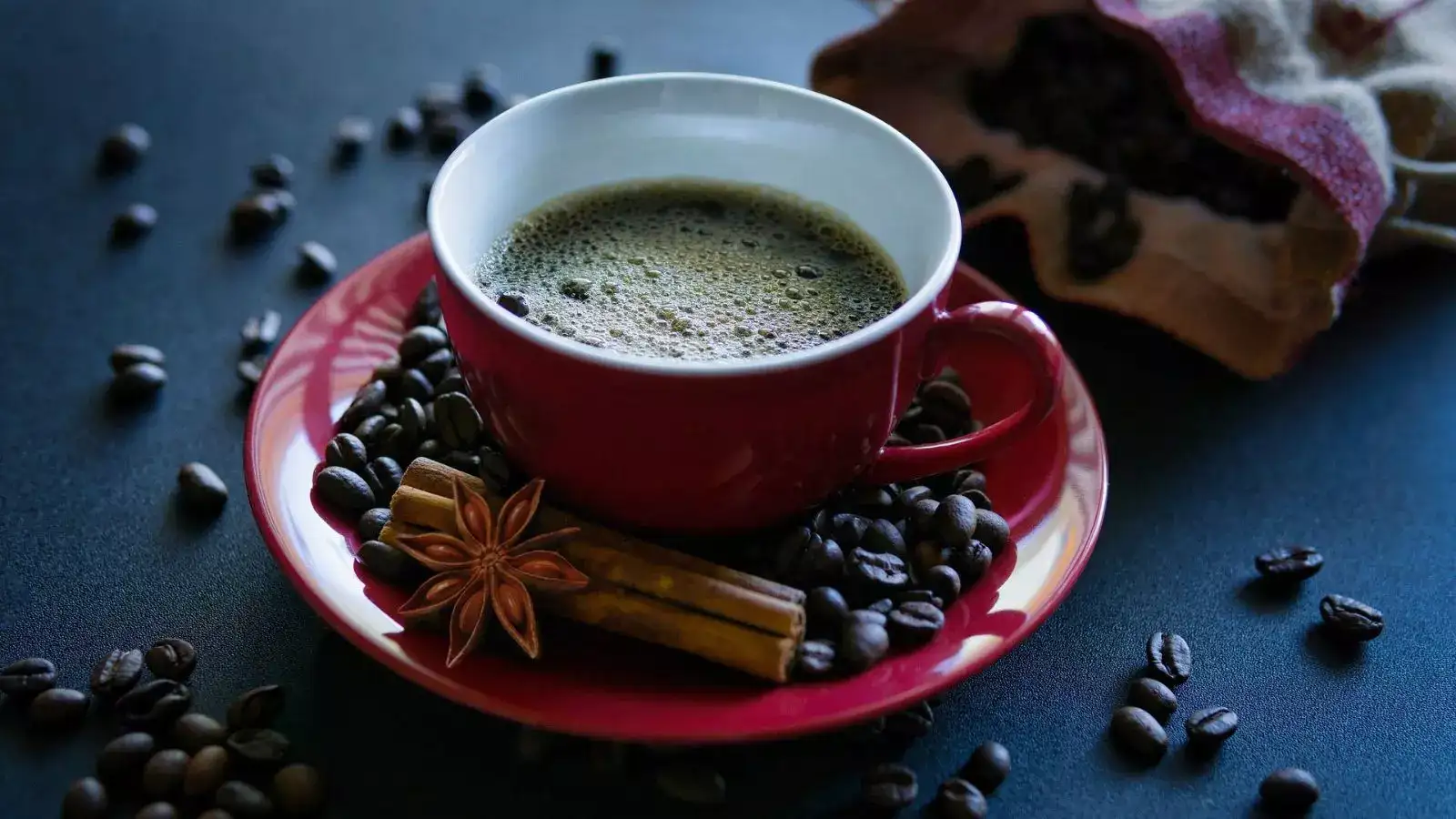 Image Credit: Pixabay
The Art of Brewing: Unique Vietnamese Techniques
One of the most captivating aspects of Vietnamese coffee culture is the preparation methods. Unlike the quick coffee brewing methods commonly used in the West, coffee in Vietnam is often brewed slowly and with precision, allowing the flavours to develop and infuse fully.
Phin Coffee Dripper
The most iconic brewing tool in Vietnam is the phin, a small metal drip filter that slowly drips coffee into a glass. This slow brew allows the strong flavours of the robusta beans to fully come through, creating a thick and aromatic cup of coffee. The process takes time and patience, which reflects the Vietnamese appreciation for craftsmanship in coffee-making. It’s common for people to enjoy their coffee as it drips, allowing for moments of relaxation.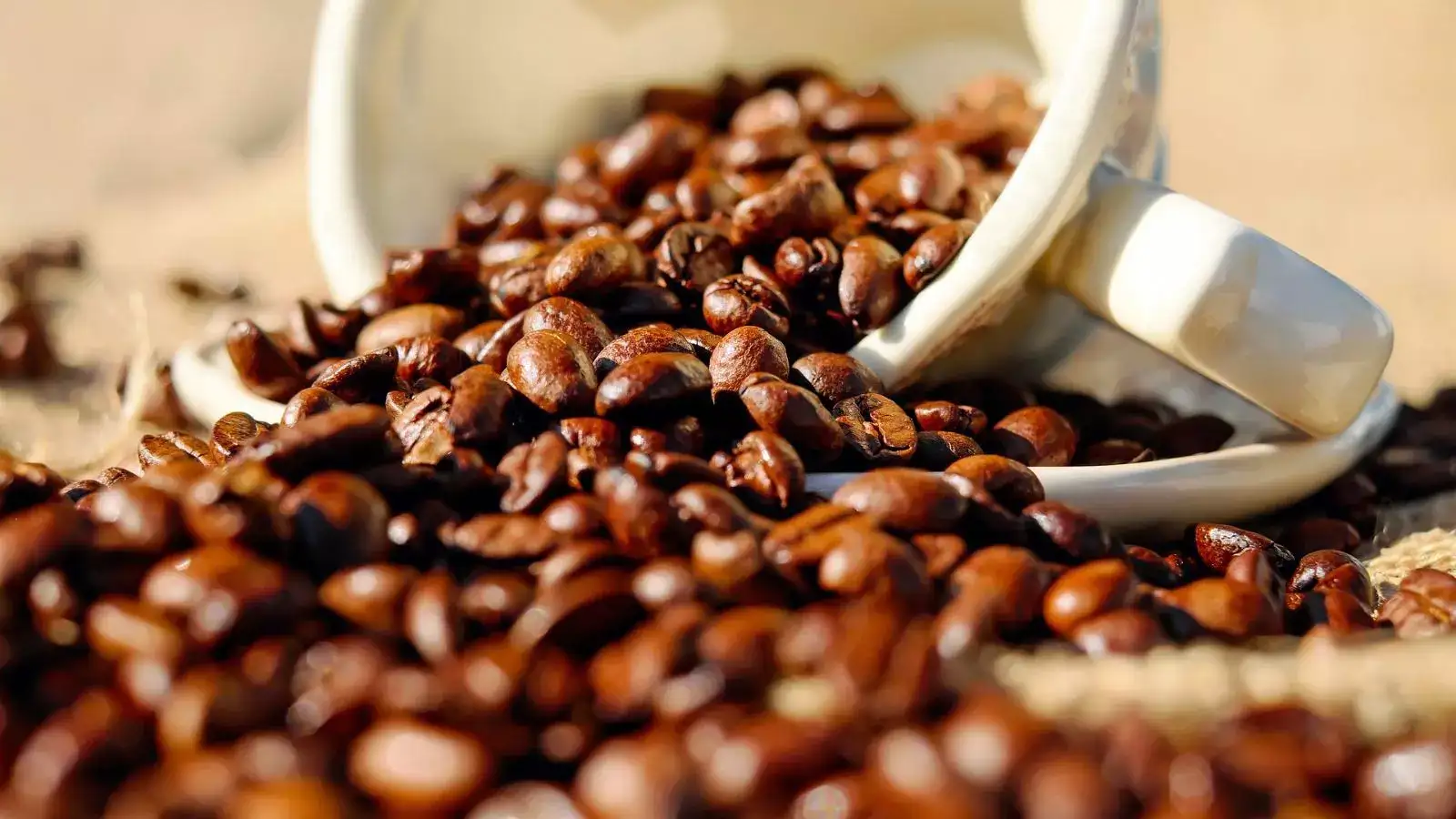 Image Credit: Pixabay
Egg Coffee (Cà Phê Trứng)
One of the most unique and popular Vietnamese coffee creations is cà phê trứng, or egg coffee. This creamy, frothy coffee is made by whipping egg yolks with sweetened condensed milk, creating a rich, velvety topping that floats atop the strong, bitter coffee below. This decadent concoction was invented in Hanoi in the 1940s by a creative bartender who substituted milk with egg during a milk shortage. Today, egg coffee is a staple in many Vietnamese cafés, offering a delightful fusion of sweet and bitter flavours.
Cà Phê Sữa Đá (Vietnamese Iced Coffee)
Another classic Vietnamese coffee preparation is cà phê sữa đá, or Vietnamese iced coffee. This drink combines strong coffee brewed in a phin filter, which is then mixed with sweetened condensed milk and poured over ice. The result is a sweet, strong, and refreshing beverage perfect for Vietnam's hot climate. The ice helps to mellow out the intensity of the robusta beans while balancing the richness of the condensed milk.
Coffee and Culture: A Social Ritual
In Vietnam, coffee is more than just a beverage—it is an integral part of daily life and social interaction. Coffee shops, known as quán cà phê, are a gathering place for people of all ages and backgrounds. The café culture is alive and thriving in cities like Hanoi and Ho Chi Minh City, where you can find street-side cafés brimming with customers, sipping coffee and chatting with friends.
Vietnamese coffee culture is also deeply tied to hospitality. Serving coffee to guests is considered an important gesture, with each cup prepared with care and respect. Whether you’re sipping coffee in a bustling café or in the comfort of a home, the act of sharing a coffee is an expression of warmth and camaraderie.
Coffee as an Economic Powerhouse
Vietnam’s coffee industry plays a crucial role in the country’s economy, contributing significantly to both employment and export income. As the second-largest coffee exporter in the world, behind only Brazil, Vietnam is a major player on the global coffee stage. The country exports millions of tonnes of coffee annually, most of which is robusta. Coffee farming provides jobs to millions of Vietnamese, particularly in the central highlands, and has helped lift many rural communities out of poverty.
Despite its widespread export, coffee consumption within Vietnam is also on the rise. The younger generation, in particular, has embraced global coffee trends, with an increasing number of specialty coffee shops offering a variety of international brewing methods. This blending of traditional and modern coffee cultures has created a vibrant and dynamic coffee scene.
The Future of Vietnamese Coffee
Vietnam’s coffee culture is an ever-evolving story of tradition, innovation, and community. From the humble beginnings of the French colonisation era to the cutting-edge cafés of today, Vietnamese coffee has maintained its distinct flavour and identity. As the country’s coffee industry continues to grow, both locally and internationally, it will be exciting to see how Vietnam’s unique coffee culture evolves in the years to come.
Whether enjoyed in a bustling city café or a quiet rural corner, every cup of Vietnamese coffee tells a story of history, heritage, and the passion of the people who cultivate and brew it. For coffee lovers around the world, Vietnam offers a rich, bold, and unforgettable experience that is worth every sip.
The Origins of Coffee in Vietnam
The introduction of coffee to Vietnam dates back to the 19th century when the French colonised the country. French missionaries brought coffee seeds to Vietnam in the 1850s, and the coffee plant thrived in the highlands of central Vietnam, particularly in areas like Da Lat and Buon Ma Thuot. Over time, the coffee trade became a key part of Vietnam’s economy, and the country now stands as one of the world’s largest coffee producers, particularly renowned for its robusta beans.
The French influence on coffee culture in Vietnam was significant, introducing methods like espresso brewing and café-style gatherings. However, over the years, Vietnam has crafted its own identity when it comes to coffee, blending French techniques with indigenous flavours to create a coffee culture that is distinctively Vietnamese.
Coffee Varieties: Robusta vs. Arabica
Vietnamese coffee primarily consists of two types of beans—robusta and arabica. While arabica beans are more commonly associated with high-end, specialty coffee worldwide, it is the robusta bean that dominates the Vietnamese coffee scene. Robusta beans are known for their bold and stronger flavour, which often has a bitter undertone, making them the ideal choice for the local palate.
The robusta variety is more resilient to the climate and terrain of Vietnam, thriving in the central and southern regions of the country. It is also more affordable to grow and harvest, which contributes to its widespread use. While arabica is also grown in some areas, robusta remains the backbone of Vietnamese coffee culture, especially when it comes to the traditional coffee preparations.
The Art of Brewing: Unique Vietnamese Techniques
One of the most captivating aspects of Vietnamese coffee culture is the preparation methods. Unlike the quick coffee brewing methods commonly used in the West, coffee in Vietnam is often brewed slowly and with precision, allowing the flavours to develop and infuse fully.
Phin Coffee Dripper
The most iconic brewing tool in Vietnam is the phin, a small metal drip filter that slowly drips coffee into a glass. This slow brew allows the strong flavours of the robusta beans to fully come through, creating a thick and aromatic cup of coffee. The process takes time and patience, which reflects the Vietnamese appreciation for craftsmanship in coffee-making. It’s common for people to enjoy their coffee as it drips, allowing for moments of relaxation.
Egg Coffee (Cà Phê Trứng)
One of the most unique and popular Vietnamese coffee creations is cà phê trứng, or egg coffee. This creamy, frothy coffee is made by whipping egg yolks with sweetened condensed milk, creating a rich, velvety topping that floats atop the strong, bitter coffee below. This decadent concoction was invented in Hanoi in the 1940s by a creative bartender who substituted milk with egg during a milk shortage. Today, egg coffee is a staple in many Vietnamese cafés, offering a delightful fusion of sweet and bitter flavours.
Cà Phê Sữa Đá (Vietnamese Iced Coffee)
Another classic Vietnamese coffee preparation is cà phê sữa đá, or Vietnamese iced coffee. This drink combines strong coffee brewed in a phin filter, which is then mixed with sweetened condensed milk and poured over ice. The result is a sweet, strong, and refreshing beverage perfect for Vietnam's hot climate. The ice helps to mellow out the intensity of the robusta beans while balancing the richness of the condensed milk.
Coffee and Culture: A Social Ritual
In Vietnam, coffee is more than just a beverage—it is an integral part of daily life and social interaction. Coffee shops, known as quán cà phê, are a gathering place for people of all ages and backgrounds. The café culture is alive and thriving in cities like Hanoi and Ho Chi Minh City, where you can find street-side cafés brimming with customers, sipping coffee and chatting with friends.
Vietnamese coffee culture is also deeply tied to hospitality. Serving coffee to guests is considered an important gesture, with each cup prepared with care and respect. Whether you’re sipping coffee in a bustling café or in the comfort of a home, the act of sharing a coffee is an expression of warmth and camaraderie.
Coffee as an Economic Powerhouse
Vietnam’s coffee industry plays a crucial role in the country’s economy, contributing significantly to both employment and export income. As the second-largest coffee exporter in the world, behind only Brazil, Vietnam is a major player on the global coffee stage. The country exports millions of tonnes of coffee annually, most of which is robusta. Coffee farming provides jobs to millions of Vietnamese, particularly in the central highlands, and has helped lift many rural communities out of poverty.
Despite its widespread export, coffee consumption within Vietnam is also on the rise. The younger generation, in particular, has embraced global coffee trends, with an increasing number of specialty coffee shops offering a variety of international brewing methods. This blending of traditional and modern coffee cultures has created a vibrant and dynamic coffee scene.
The Future of Vietnamese Coffee
Vietnam’s coffee culture is an ever-evolving story of tradition, innovation, and community. From the humble beginnings of the French colonisation era to the cutting-edge cafés of today, Vietnamese coffee has maintained its distinct flavour and identity. As the country’s coffee industry continues to grow, both locally and internationally, it will be exciting to see how Vietnam’s unique coffee culture evolves in the years to come.
Whether enjoyed in a bustling city café or a quiet rural corner, every cup of Vietnamese coffee tells a story of history, heritage, and the passion of the people who cultivate and brew it. For coffee lovers around the world, Vietnam offers a rich, bold, and unforgettable experience that is worth every sip.
Next Story