
7 Photogenic Cities Around the World With Incredible Views

Some cities seem to offer a beautiful picture almost everywhere you look. From historic streets and grand architecture to dramatic mountains, canals and waterfronts, these destinations combine distinctive scenery with memorable landmarks. While beauty is subjective, cities such as Paris, Venice, Kyoto and Prague are widely recognised for their visual character. Here are seven cities around the world that offer a rich mix of architecture, culture, nature and striking views for photographers and travellers alike.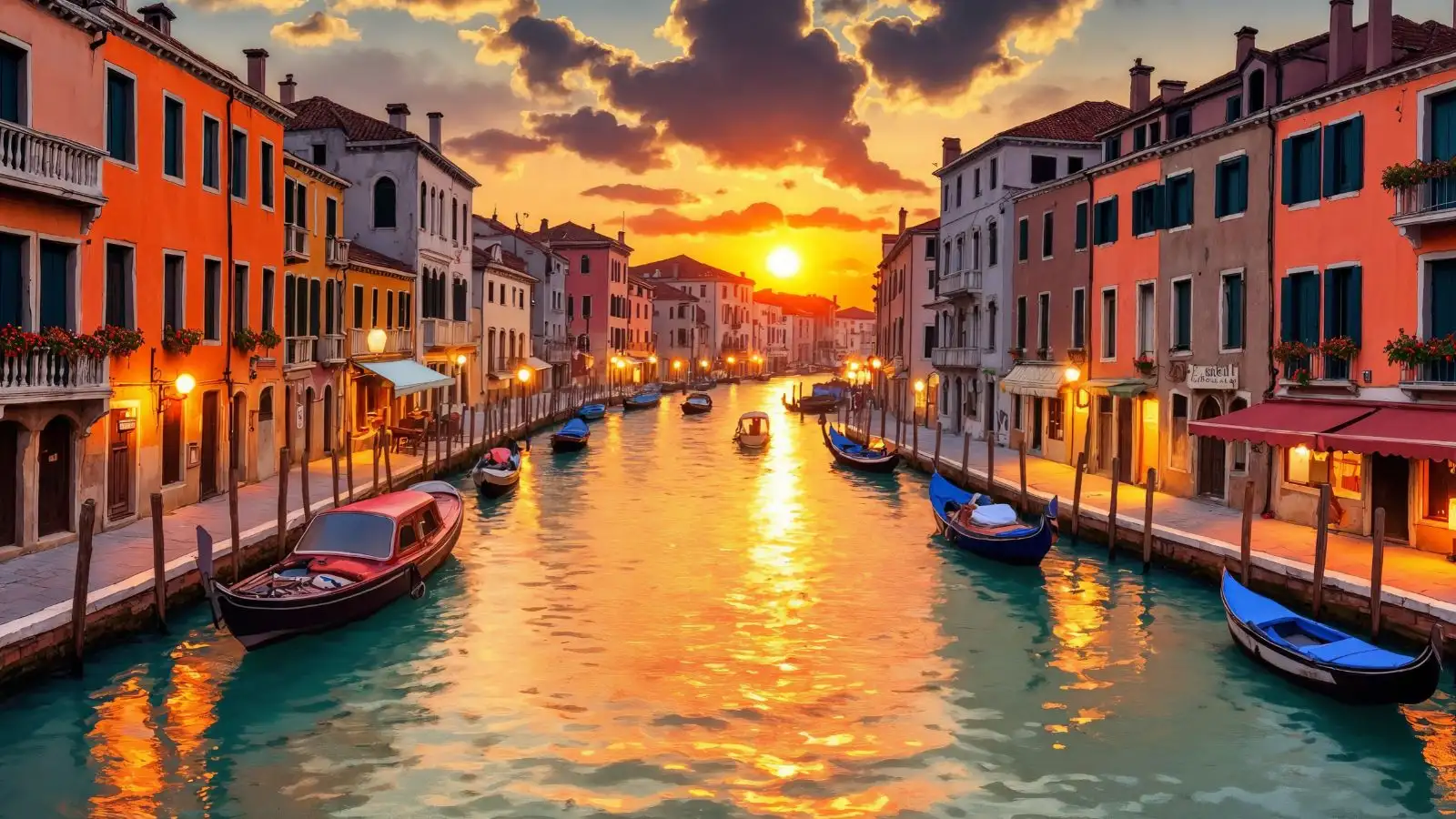
The Eiffel Tower remains one of the city's most photographed landmarks, while areas around Montmartre offer a different side of Paris with winding streets, historic buildings and elevated city views. The Louvre, Notre-Dame, Sainte-Chapelle and the elegant squares and avenues along the Seine also contribute to the city's distinctive appearance.
The historic banks of the Seine are recognised as a UNESCO World Heritage site and contain a remarkable concentration of architectural landmarks.
The Grand Canal provides some of the city's most recognisable views, with palaces and other historic structures lining the water. St Mark's Square, the Doge's Palace and the bridges connecting the city's different neighbourhoods add further opportunities for photography.
Venice and its lagoon have been a UNESCO World Heritage site since 1987. UNESCO describes the city as a unique artistic achievement, highlighting the relationship between its architecture, monuments and lagoon landscape.
Historic areas provide opportunities to photograph traditional buildings, stone pathways, temple grounds and carefully designed gardens. Kiyomizu-dera, Fushimi Inari Taisha and the historic streets around Gion are among the city's well-known visual attractions.
The Historic Monuments of Ancient Kyoto, covering sites in Kyoto, Uji and Otsu, are listed as a UNESCO World Heritage property. The property includes 17 component parts and reflects the development of Japanese wooden architecture and garden design.
Charles Bridge is one of Prague's best-known landmarks, while Prague Castle, St Vitus Cathedral and Old Town Square provide a mix of Gothic, Baroque and other architectural styles. The city's historic streets and riverfront also offer plenty of opportunities for detailed street photography.
The Historic Centre of Prague is a UNESCO World Heritage site. UNESCO notes that the area includes the Old Town, Lesser Town and New Town, with monuments such as Prague Castle, St Vitus Cathedral and Charles Bridge forming part of its historic character.
The city also offers colourful neighbourhoods, historic buildings and waterfront views. From elevated viewpoints, photographers can capture the relationship between the city, mountains and ocean in a single frame.
The combination of natural landscapes and urban scenery makes Cape Town particularly interesting for wide-angle photography. Sunrise and sunset can also dramatically change the appearance of the mountains and coastline.
Sugarloaf Mountain, Guanabara Bay and the Christ the Redeemer statue on Corcovado are among its most recognisable sights. Views from elevated locations can reveal the city's beaches, mountains, green spaces and buildings in one composition.
UNESCO's World Heritage listing for Rio's Carioca Landscapes between the Mountain and the Sea recognises the interaction between the city's natural environment and its development. The cultural landscape includes parts of Tijuca National Park, Corcovado, Sugarloaf and landscapes around Copacabana Bay.
The Sagrada Família, Park Güell, Casa Batlló and Casa Milà are among the best-known examples of Gaudí's work in and around Barcelona. Their unusual architectural details can create striking close-up photographs as well as wider city compositions.
UNESCO has recognised seven properties as the Works of Antoni Gaudí World Heritage site. These include Park Güell, Palau Güell, Casa Milà, Casa Vicens, the Nativity façade and Crypt of the Sagrada Família, Casa Batlló and the Crypt of Colònia Güell.
Rather than following a single definition of beauty, each city offers its own visual identity. That variety is what makes them particularly rewarding destinations for travellers who enjoy capturing places through photography.
1. Paris, France
Paris is one of the world's most recognisable cities, with its grand boulevards, historic buildings and famous landmarks creating countless photographic opportunities. The River Seine adds another visual layer, with bridges, riverside buildings and monuments creating changing views throughout the day.The Eiffel Tower remains one of the city's most photographed landmarks, while areas around Montmartre offer a different side of Paris with winding streets, historic buildings and elevated city views. The Louvre, Notre-Dame, Sainte-Chapelle and the elegant squares and avenues along the Seine also contribute to the city's distinctive appearance.
The historic banks of the Seine are recognised as a UNESCO World Heritage site and contain a remarkable concentration of architectural landmarks.
2. Venice, Italy
Venice has a setting that is difficult to replicate anywhere else. Built across numerous islands in a lagoon, the city is shaped by canals, bridges, narrow lanes and historic buildings.The Grand Canal provides some of the city's most recognisable views, with palaces and other historic structures lining the water. St Mark's Square, the Doge's Palace and the bridges connecting the city's different neighbourhoods add further opportunities for photography.
Venice and its lagoon have been a UNESCO World Heritage site since 1987. UNESCO describes the city as a unique artistic achievement, highlighting the relationship between its architecture, monuments and lagoon landscape.
3. Kyoto, Japan
Kyoto offers a different kind of visual appeal, combining traditional wooden architecture, temples, gardens and seasonal scenery. The city was Japan's imperial capital from its foundation in 794 until the middle of the 19th century and remained an important centre of Japanese culture for more than a thousand years.Historic areas provide opportunities to photograph traditional buildings, stone pathways, temple grounds and carefully designed gardens. Kiyomizu-dera, Fushimi Inari Taisha and the historic streets around Gion are among the city's well-known visual attractions.
The Historic Monuments of Ancient Kyoto, covering sites in Kyoto, Uji and Otsu, are listed as a UNESCO World Heritage property. The property includes 17 component parts and reflects the development of Japanese wooden architecture and garden design.
4. Prague, Czech Republic
Prague is known for its historic townscape, distinctive rooftops, towers and buildings representing several architectural periods. The Vltava River runs through the city, creating attractive viewpoints of the historic centre.Charles Bridge is one of Prague's best-known landmarks, while Prague Castle, St Vitus Cathedral and Old Town Square provide a mix of Gothic, Baroque and other architectural styles. The city's historic streets and riverfront also offer plenty of opportunities for detailed street photography.
The Historic Centre of Prague is a UNESCO World Heritage site. UNESCO notes that the area includes the Old Town, Lesser Town and New Town, with monuments such as Prague Castle, St Vitus Cathedral and Charles Bridge forming part of its historic character.
5. Cape Town, South Africa
Cape Town stands out because of the way its urban landscape meets dramatic natural scenery. Table Mountain provides a distinctive backdrop to the city, while the Atlantic coastline, beaches and surrounding hills create a variety of photographic settings.The city also offers colourful neighbourhoods, historic buildings and waterfront views. From elevated viewpoints, photographers can capture the relationship between the city, mountains and ocean in a single frame.
The combination of natural landscapes and urban scenery makes Cape Town particularly interesting for wide-angle photography. Sunrise and sunset can also dramatically change the appearance of the mountains and coastline.
6. Rio de Janeiro, Brazil
Rio de Janeiro combines beaches, mountains, forests and a densely built urban landscape. The city's geography gives photographers an unusual opportunity to capture natural and urban elements together.Sugarloaf Mountain, Guanabara Bay and the Christ the Redeemer statue on Corcovado are among its most recognisable sights. Views from elevated locations can reveal the city's beaches, mountains, green spaces and buildings in one composition.
UNESCO's World Heritage listing for Rio's Carioca Landscapes between the Mountain and the Sea recognises the interaction between the city's natural environment and its development. The cultural landscape includes parts of Tijuca National Park, Corcovado, Sugarloaf and landscapes around Copacabana Bay.
7. Barcelona, Spain
Barcelona is especially appealing to photographers interested in architecture. The city is closely associated with Antoni Gaudí, whose distinctive designs introduced unusual shapes, colourful details and organic forms into several important buildings and public spaces.The Sagrada Família, Park Güell, Casa Batlló and Casa Milà are among the best-known examples of Gaudí's work in and around Barcelona. Their unusual architectural details can create striking close-up photographs as well as wider city compositions.
UNESCO has recognised seven properties as the Works of Antoni Gaudí World Heritage site. These include Park Güell, Palau Güell, Casa Milà, Casa Vicens, the Nativity façade and Crypt of the Sagrada Família, Casa Batlló and the Crypt of Colònia Güell.
A City for Every Kind of Photographer
These seven cities demonstrate that photogenic destinations do not have to look the same. Paris and Prague offer historic architecture and urban views, Venice provides canals and waterfront scenery, while Kyoto brings traditional architecture and gardens. Cape Town and Rio de Janeiro combine cityscapes with dramatic natural landscapes, and Barcelona stands out for its distinctive architectural style.Rather than following a single definition of beauty, each city offers its own visual identity. That variety is what makes them particularly rewarding destinations for travellers who enjoy capturing places through photography.
Next Story