
What You Need To Know Before Using Mouthwash Daily

Mouthwash is a popular addition to daily oral hygiene routines, often marketed as a fast solution for fresh breath and cleaner teeth. However, when it comes to oral hygiene tips and long-term dental care, mouthwash is often misunderstood. While it can be useful, there are several mouthwash facts that many people are not aware of. Here are seven important things you should know before making it a daily habit.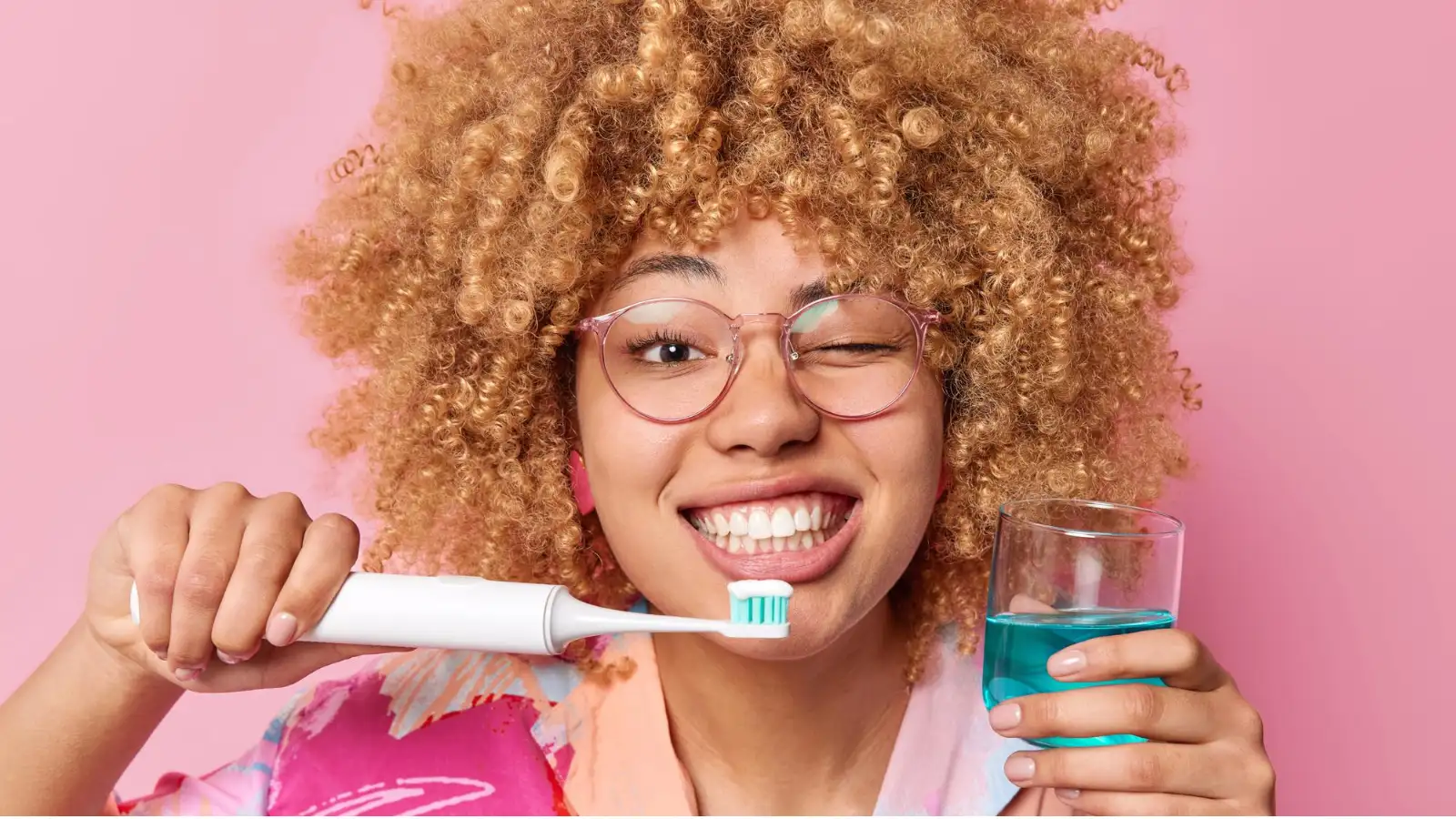
Read More: Keep Smiling: Essential Tips For Your Oral Health That Build A Stronger Smile Every Day
Mouthwash can be a helpful part of your oral hygiene routine, but it is not a complete solution. Understanding these mouthwash facts helps you make informed choices about your oral health. By combining brushing, flossing, and mindful use of mouthwash, you can maintain healthier teeth and gums in the long run.
1. It Cannot Replace Brushing
One of the biggest misconceptions is that mouthwash can replace brushing. In reality, brushing and flossing are essential for removing plaque and food particles. Mouthwash may support oral hygiene, but it should never replace a proper dental care routine .2. Tingling Does Not Mean It Is Working Better
Many people associate a strong tingling sensation with effectiveness. However, this feeling often comes from alcohol or strong ingredients and does not necessarily improve oral health. Understanding this is important for better oral hygiene tips.Read More: Keep Smiling: Essential Tips For Your Oral Health That Build A Stronger Smile Every Day
3. Mouthwash Can Kill Good Bacteria
Your mouth contains both good and bad bacteria. While mouthwash targets harmful bacteria, it can also reduce beneficial bacteria that support oral balance. This is one of the lesser known mouthwash side effects that affects long-term oral health.4. It Is Important to Check the Label
Not all mouthwashes are the same. Some contain alcohol, artificial colours, or strong chemicals that may not suit everyone. Checking ingredients is essential for maintaining a healthy teeth habits routine and avoiding unwanted side effects.5. Some Mouthwash May Affect Blood Pressure
Certain alcohol-based mouthwashes may have an impact on blood pressure in sensitive individuals. Although this does not affect everyone, it is an important consideration for those managing health conditions. Consulting a dentist can help ensure safe usage.6. Mouthwash Can Mask Dental Problems
Fresh breath does not always mean healthy teeth. Mouthwash can temporarily hide bad breath caused by underlying issues such as gum disease or cavities. Relying only on mouthwash may delay necessary treatment, which is why proper dental care routine is essential.7. It Should Be Used at the Right Time
Using mouthwash immediately after brushing can sometimes wash away fluoride from toothpaste. Dentists often recommend using it at a different time of day for better results. Timing plays a key role in improving oral hygiene tips effectively.Mouthwash can be a helpful part of your oral hygiene routine, but it is not a complete solution. Understanding these mouthwash facts helps you make informed choices about your oral health. By combining brushing, flossing, and mindful use of mouthwash, you can maintain healthier teeth and gums in the long run.
Next Story