
Moving To A New Home? Simple Ways To Help Your Dog Settle In Comfortably

Moving to a new home can be exciting for a family, but unsettling for a dog. Familiar smells, resting spots and routines suddenly disappear, leaving the animal surrounded by unfamiliar sounds and spaces. Some dogs settle within days, while others need weeks to feel secure. Their response often depends on temperament, age and previous experiences.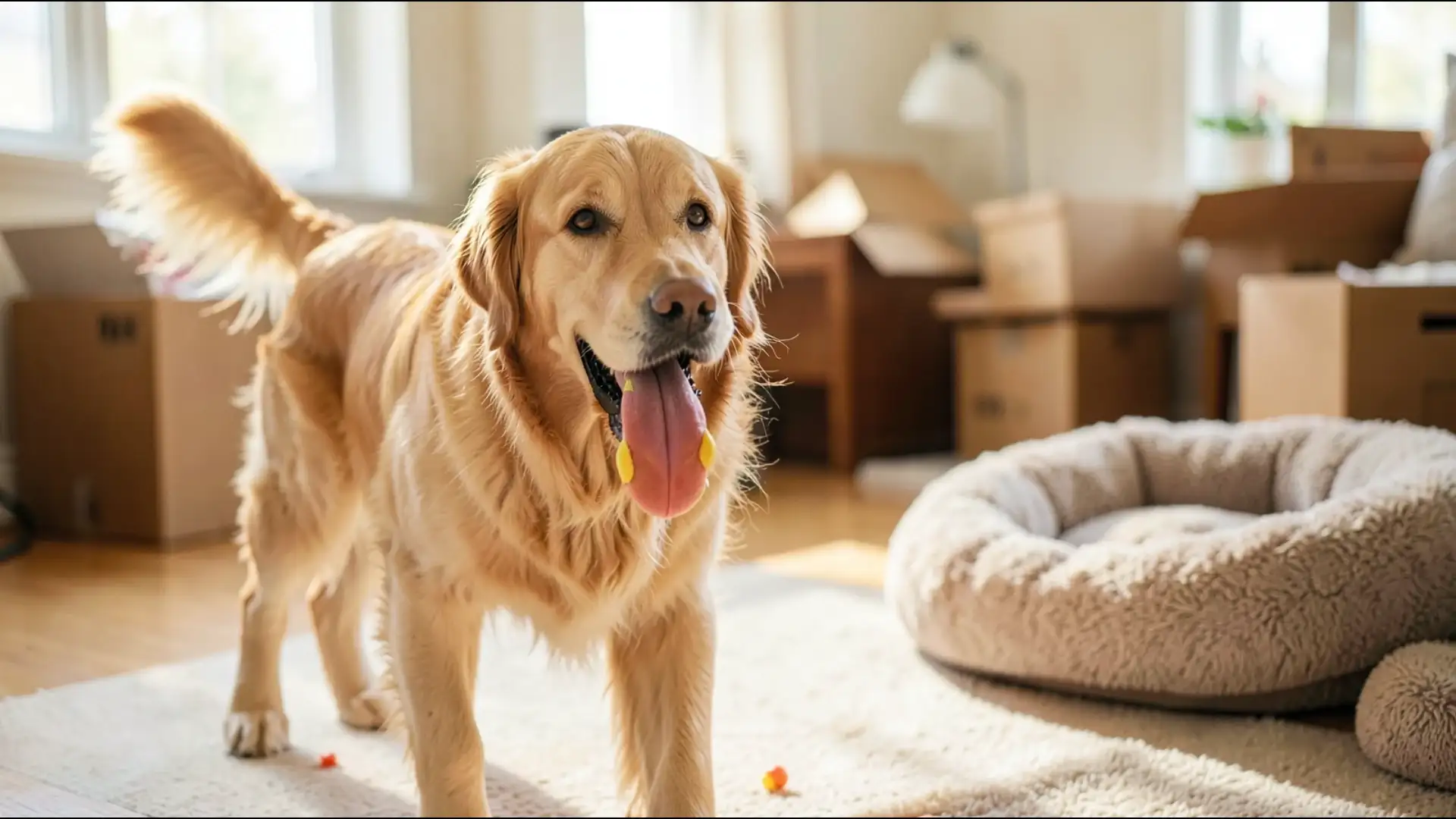
Preparation can make the transition easier. Rather than expecting a pet to explore everything, owners should offer patience, consistency and a safe place to retreat. Reassuring steps help a dog understand that the new surroundings are not a threat and that its people remain close.
Keep essentials such as food, lead, bowls and medication easy to reach. Avoid washing the dog’s bedding just before the move; familiar scents can provide comfort.
Do not force interaction with visitors or encourage exploration before the animal is comfortable. Children should give the dog space while it eats or rests. A calm environment helps build a sense of safety.
Take walks on a lead while your dog learns the new neighbourhood. Check that its identification tag carries your phone number and update its microchip registration details. Never assume it will find its way home if it wanders off.
Most dogs become more comfortable as the new home feels familiar. However, if distress is severe, persists, or your dog stops eating, consult a veterinarian. A qualified behaviourist may also help if anxiety or unwanted behaviour continues. Patience, predictable care and gradual introductions give your dog the best chance of settling in confidently.
Preparation can make the transition easier. Rather than expecting a pet to explore everything, owners should offer patience, consistency and a safe place to retreat. Reassuring steps help a dog understand that the new surroundings are not a threat and that its people remain close.
Prepare Before Moving Day
If possible, take your dog to the new home before the move. Let it sniff and explore at its own pace, rewarding calm behaviour. On moving day, keep the dog away from the busiest activity. A quiet room with familiar bedding, toys and water can help, or arrange for someone trusted to look after it until the heavy lifting is over.Keep essentials such as food, lead, bowls and medication easy to reach. Avoid washing the dog’s bedding just before the move; familiar scents can provide comfort.
Set Up A Safe, Familiar Space
Once you arrive, start with one quiet room rather than giving your dog access to the entire house. Place its bed, toys and water there, and allow it to come out when ready. Keep doors and gates secure, as a frightened dog may try to escape.You may also like
- Nepo Babies: Hollywood Stop Apologizing for Their Privilege, but how is the industry reacting?
- His family identified a body, performed his last rites and received insurance money; six months later, this 37-year-old man returned home alive, leaving police to ask whose body they cremated
- 9 Famous Hanuman Temples in South India to Visit During Diwali 2026
- Psychology says people who prefer candid photos to posed ones may be doing more than just chasing Instagram aesthetics
- Mukesh...For Whom The Bells Chime
Do not force interaction with visitors or encourage exploration before the animal is comfortable. Children should give the dog space while it eats or rests. A calm environment helps build a sense of safety.
Keep Routines Consistent
Try to maintain the usual feeding, walking and bedtime schedule. Familiar routines reassure dogs when much else has changed. Continue with the same food initially, introducing dietary changes gradually to avoid upsetting the stomach.Take walks on a lead while your dog learns the new neighbourhood. Check that its identification tag carries your phone number and update its microchip registration details. Never assume it will find its way home if it wanders off.
Watch For Signs Of Stress
Hiding, reduced appetite, excessive barking, restlessness or toileting accidents can occur during adjustment. Respond calmly and avoid punishment. Offer reassurance without overwhelming your pet with constant attention.Most dogs become more comfortable as the new home feels familiar. However, if distress is severe, persists, or your dog stops eating, consult a veterinarian. A qualified behaviourist may also help if anxiety or unwanted behaviour continues. Patience, predictable care and gradual introductions give your dog the best chance of settling in confidently.






Loving Newspoint? Download the app now
