
10 Mysterious Places Around the World That Have Fascinated Historians

History is filled with places that continue to capture the imagination of researchers, archaeologists and travellers. Some are ancient cities abandoned for reasons that are still debated, while others contain enormous stone structures, unusual carvings or archaeological discoveries that challenge our understanding of earlier civilisations. Although modern research has answered many questions, several historical sites still hold mysteries about their builders, purpose and eventual decline. From the desert landscapes of Peru to the mountains of Turkey, these destinations offer fascinating glimpses into the past. Here are 10 mysterious places around the world that have kept historians and researchers curious for generations.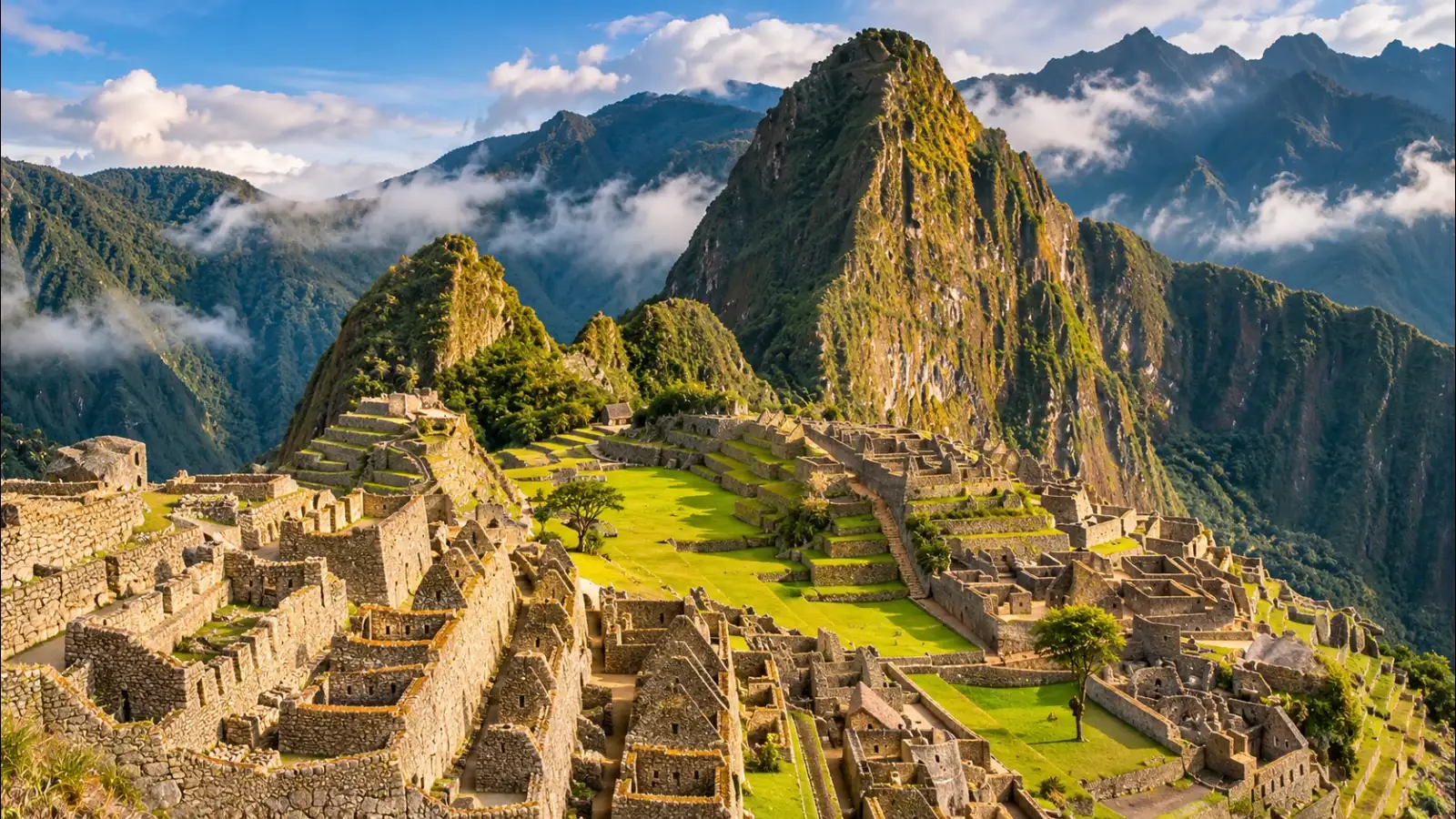
Its pillars feature carvings of animals such as foxes, snakes and birds. Researchers continue to investigate how ancient communities organised the construction of such structures and what activities took place there. Its discovery has significantly influenced discussions about the development of early societies.
Historians have explored its possible roles as a royal estate, ceremonial centre or retreat. Although its Inca origins are well established, researchers continue studying how its buildings, water systems and agricultural terraces functioned together.
Created by the Nazca culture over many centuries, these geoglyphs were made by removing the darker surface stones to reveal lighter soil underneath. Their exact purposes remain debated, with researchers examining possible connections to rituals, water sources and astronomical observations.
Researchers have studied its relationship with the movements of the Sun, particularly the summer and winter solstices. It is widely understood to have had ceremonial significance, although the precise combination of purposes it served remains a subject of research.
Its elaborate water-management systems, tombs and temples reveal impressive engineering skills. Although historians understand much about the Nabataeans, questions remain about aspects of the city's social life, religious practices and development over time.
The settlement was an important political and trading centre, connected to wider Indian Ocean trade networks. Archaeologists continue to study its growth, organisation and changing role in the region.
Some stand on ceremonial platforms known as ahu, while others remain in or near the island's quarry areas. Researchers have investigated how the statues were carved, transported and erected, with archaeological evidence supporting several possible transportation methods.
The complex includes spaces believed to have been used for storage, living and religious activities. It was expanded and used over different historical periods, particularly as a place of refuge during times of danger. Its scale and ventilation arrangements continue to attract archaeological interest.
Some of the largest stone blocks used in its construction are remarkable for their size and weight. Historians and archaeologists have studied the engineering techniques used to quarry, transport and position these stones, making Baalbek an important destination for understanding Roman architecture.
Each figure has distinctive facial features, hairstyles and clothing details. The army was created to accompany and protect the emperor in the afterlife, according to ancient beliefs. Archaeologists continue investigating the wider burial complex, much of which remains unexcavated.
1. Göbekli Tepe, Turkey
Located in southeastern Turkey, Göbekli Tepe is an archaeological site known for its enormous stone pillars arranged in circular structures. Dating back to around 9600 BCE, it is among the oldest known monumental architectural sites.Its pillars feature carvings of animals such as foxes, snakes and birds. Researchers continue to investigate how ancient communities organised the construction of such structures and what activities took place there. Its discovery has significantly influenced discussions about the development of early societies.
2. Machu Picchu, Peru
High in the Andes Mountains, Machu Picchu is one of the most recognisable archaeological sites in the world. Built by the Inca civilisation in the 15th century, this remarkable stone settlement features terraces, temples and carefully constructed buildings.Historians have explored its possible roles as a royal estate, ceremonial centre or retreat. Although its Inca origins are well established, researchers continue studying how its buildings, water systems and agricultural terraces functioned together.
3. The Nazca Lines, Peru
The Nazca Lines are enormous drawings created on the desert surface of southern Peru. They depict animals, plants, geometric patterns and human-like figures, with some designs stretching across hundreds of metres.Created by the Nazca culture over many centuries, these geoglyphs were made by removing the darker surface stones to reveal lighter soil underneath. Their exact purposes remain debated, with researchers examining possible connections to rituals, water sources and astronomical observations.
4. Stonehenge, England
Stonehenge is a prehistoric monument located on Salisbury Plain in Wiltshire, England. Its enormous standing stones were arranged in a circular formation, with construction taking place in several phases over thousands of years.Researchers have studied its relationship with the movements of the Sun, particularly the summer and winter solstices. It is widely understood to have had ceremonial significance, although the precise combination of purposes it served remains a subject of research.
5. The Lost City of Petra , Jordan
Petra is an ancient city in southern Jordan, famous for its buildings carved directly into rose-coloured sandstone cliffs. It was an important centre of the Nabataean civilisation and a major trading hub connecting different regions.Its elaborate water-management systems, tombs and temples reveal impressive engineering skills. Although historians understand much about the Nabataeans, questions remain about aspects of the city's social life, religious practices and development over time.
6. The Great Zimbabwe Ruins, Zimbabwe
Great Zimbabwe is an ancient stone city in southeastern Zimbabwe that flourished between approximately the 11th and 15th centuries. Its impressive dry-stone walls were constructed without mortar and include large enclosures and towers.The settlement was an important political and trading centre, connected to wider Indian Ocean trade networks. Archaeologists continue to study its growth, organisation and changing role in the region.
7. The Moai Statues of Easter Island, Chile
Rapa Nui, commonly known as Easter Island, is famous for its monumental stone figures called moai. These statues were created by the island's Polynesian inhabitants and are believed to represent important ancestors.You may also like
- Toxic Air Attacks Heart, Brain, and Kidneys: AIIMS Doctors Warn
- Firecracker Smoke Health Risks: Shielding Lungs, Eyes, and Asthma
- Japanese Ambassador Ono Keiichi: Diwali is about joy and togetherness
- Spiritual retreats, beach escapes: India's favourite Diwali destinations
- Swiss Ambassador Maya Tissafi: We Swiss are proud of our chocolate, but kaju katli gives it serious competition
Some stand on ceremonial platforms known as ahu, while others remain in or near the island's quarry areas. Researchers have investigated how the statues were carved, transported and erected, with archaeological evidence supporting several possible transportation methods.
8. Derinkuyu Underground City, Turkey
Beneath the Cappadocia region of central Turkey lies Derinkuyu, an extensive underground settlement with multiple levels of rooms, passageways and ventilation shafts.The complex includes spaces believed to have been used for storage, living and religious activities. It was expanded and used over different historical periods, particularly as a place of refuge during times of danger. Its scale and ventilation arrangements continue to attract archaeological interest.
9. Baalbek, Lebanon
Baalbek is an ancient city in Lebanon known for its monumental Roman temple complex. The site includes the Temple of Jupiter, the Temple of Bacchus and massive stone foundations.Some of the largest stone blocks used in its construction are remarkable for their size and weight. Historians and archaeologists have studied the engineering techniques used to quarry, transport and position these stones, making Baalbek an important destination for understanding Roman architecture.
10. The Terracotta Army, China
Discovered near Xi'an in China in 1974, the Terracotta Army is a collection of thousands of life-sized clay soldiers, horses and chariots buried near the tomb of China's first emperor, Qin Shi Huang.Each figure has distinctive facial features, hairstyles and clothing details. The army was created to accompany and protect the emperor in the afterlife, according to ancient beliefs. Archaeologists continue investigating the wider burial complex, much of which remains unexcavated.
Why Do These Historical Places Continue to Fascinate Researchers?
These destinations offer more than impressive architecture and unusual landscapes. They provide evidence of how earlier societies lived, organised communities and understood their surroundings.- Unanswered Questions: Some sites have uncertain construction methods, functions or histories.
- Advanced Engineering: Ancient structures reveal impressive knowledge of materials, architecture and planning.
- Cultural Significance: Many locations offer insights into religious beliefs, rituals and social traditions.
- Archaeological Discoveries: New excavations and scientific techniques continue to reveal information about these places.
- Historical Preservation: Protecting these sites helps future generations understand the development of human civilisation.






Loving Newspoint? Download the app now
