
National Chai Day 2026: Why India’s Favourite Tea Is More Than Just a Beverage

A steaming cup of chai is part of everyday life for millions of people. It is served during early morning conversations, office breaks, family gatherings and unexpected meetings with friends. For many, tea is not simply a drink. It is a familiar ritual that brings comfort, encourages conversation and creates moments of connection.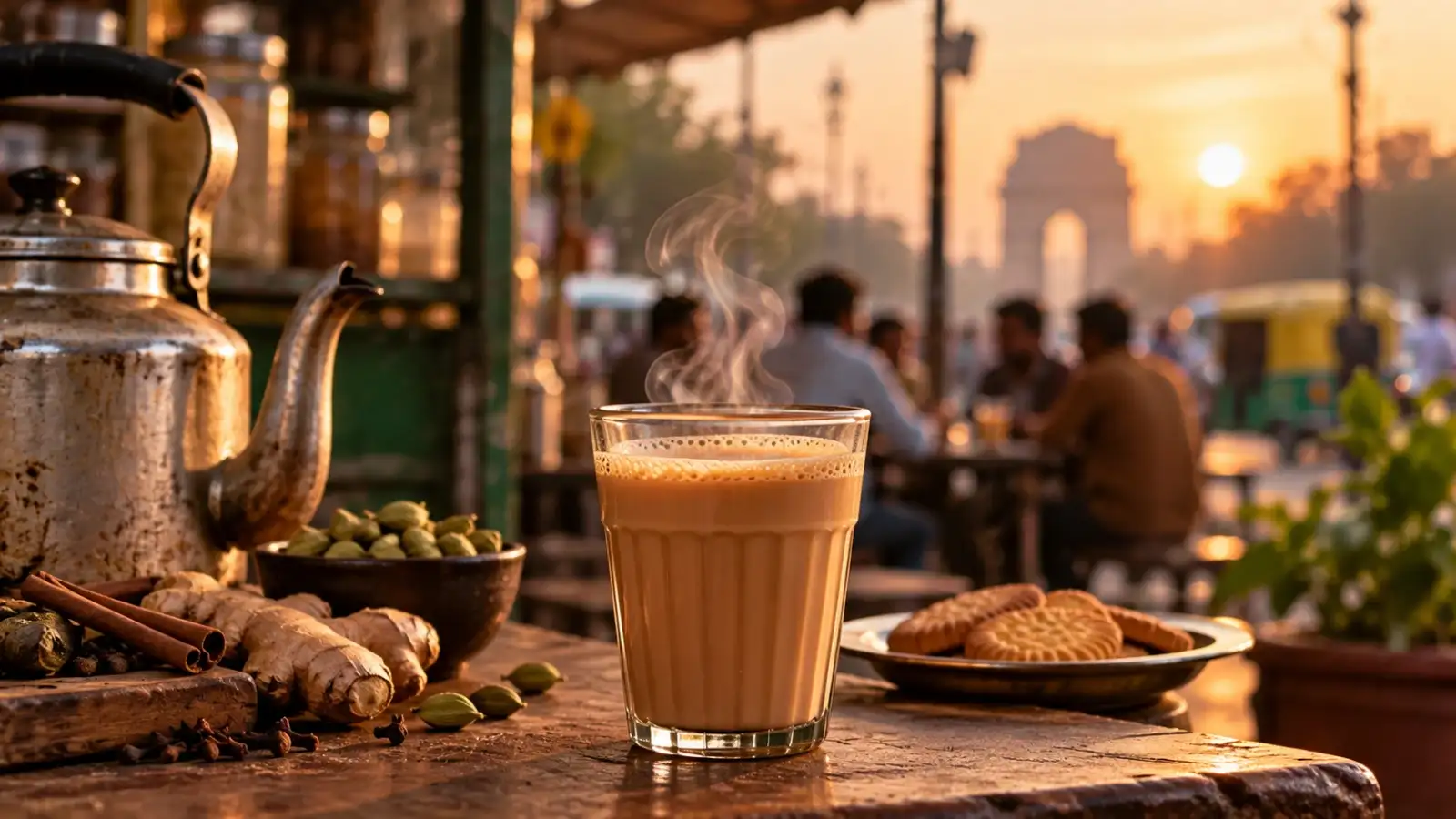
National Chai Day offers an opportunity to celebrate this much-loved beverage and explore the traditions, habits and cultural memories associated with it. From roadside tea stalls to carefully prepared cups in Indian homes, chai has become deeply connected with the rhythm of daily life.
Although the observance is associated with the United States, the idea of celebrating chai has a special relevance in India, where tea is enjoyed in numerous regional styles. Indian tea culture includes strong milk tea, spiced masala chai , sweet cardamom tea, cutting chai and several local variations.
It is important to distinguish National Chai Day from International Tea Day, which is observed on 21 May under the United Nations framework.
The British developed large-scale tea plantations in Assam, Darjeeling and other regions during the nineteenth century. Over time, tea became an important agricultural product and a major part of India’s economy.
Tea drinking gradually became more common among Indian consumers, particularly during the twentieth century. Vendors, railway stalls and local markets helped introduce affordable tea to a wider population.
As tea became part of everyday life, Indians adapted it to local tastes by adding milk, sugar, spices and regional ingredients.
Chai also creates opportunities for informal discussions. Friends meet at tea stalls, colleagues gather around office kettles and family members sit together over evening tea.
The phrase “chai pe charcha” reflects how tea can become a setting for conversation, debate and storytelling. The drink itself may be simple, but the moments associated with it often carry emotional value.
Its warm aroma and strong flavour make it particularly popular during the cooler months and rainy weather.
The term refers to a half-sized serving, making it convenient for people taking short breaks during a busy day.
Many households prepare ginger tea during the monsoon or winter, although it remains popular throughout the year.
It is often served to guests or prepared during family gatherings.
Unlike the sweet tea commonly consumed in many parts of India, noon chai has a distinct savoury flavour.
These small establishments often serve as informal meeting points for people from different backgrounds. A tea stall may host conversations about cricket, films, politics, work, local events and everyday challenges.
Street-side chai also reflects the diversity of Indian food culture. Some vendors add ginger or cardamom, while others serve strong tea with biscuits, bread, snacks or regional savouries.
The experience of drinking chai is often closely connected with the surroundings in which it is served.
In many homes, tea is prepared several times a day. The process of boiling water, adding tea leaves, mixing milk and adjusting the sweetness can become a familiar household routine.
For some people, the sound of tea being prepared in the kitchen is associated with childhood memories, rainy afternoons and time spent with grandparents.
Tea brands and independent cafés have also experimented with new combinations, including rose, mint, lemongrass and other flavours.
Despite these changes, traditional chai remains popular because it is affordable, accessible and easy to prepare. It fits into both fast-paced urban routines and slower moments at home.
Trying a regional tea preparation can also be a way to explore India’s diverse culinary traditions. Families can share their own tea-making methods and discuss how their preferences have changed over time.
The day can also serve as an opportunity to appreciate tea growers, plantation workers, vendors and small businesses involved in bringing tea from farms to consumers.
A cup of tea may mark the beginning of a working day, provide a short break during a stressful afternoon or create a reason to reconnect with someone.
This emotional connection explains why chai continues to hold a special place in Indian culture. Even as food trends and lifestyles change, the simple ritual of sharing tea remains familiar to generations.
National Chai Day is an opportunity to celebrate a beverage that has travelled through history and become part of everyday social life. In India, chai is found in homes, offices, railway stations, cafés and roadside stalls, each offering its own version of the experience.
From masala chai and cutting chai to regional preparations such as Kashmiri noon chai, tea reflects the country’s diverse tastes and traditions.
More than a drink, chai often represents hospitality, conversation and shared memories. Its lasting popularity lies in the simple moments it helps create.
National Chai Day offers an opportunity to celebrate this much-loved beverage and explore the traditions, habits and cultural memories associated with it. From roadside tea stalls to carefully prepared cups in Indian homes, chai has become deeply connected with the rhythm of daily life.
When Is National Chai Day Celebrated?
National Chai Day is observed annually on 21 September in the United States. The day celebrates chai and recognises its growing popularity as a beverage influenced by South Asian culinary traditions.Although the observance is associated with the United States, the idea of celebrating chai has a special relevance in India, where tea is enjoyed in numerous regional styles. Indian tea culture includes strong milk tea, spiced masala chai , sweet cardamom tea, cutting chai and several local variations.
It is important to distinguish National Chai Day from International Tea Day, which is observed on 21 May under the United Nations framework.
The Long History of Tea in India
Tea has a long and complex history in India. The tea plant is believed to have grown naturally in parts of Assam and the northeastern region before tea cultivation expanded commercially during the colonial period.The British developed large-scale tea plantations in Assam, Darjeeling and other regions during the nineteenth century. Over time, tea became an important agricultural product and a major part of India’s economy.
Tea drinking gradually became more common among Indian consumers, particularly during the twentieth century. Vendors, railway stalls and local markets helped introduce affordable tea to a wider population.
As tea became part of everyday life, Indians adapted it to local tastes by adding milk, sugar, spices and regional ingredients.
Why Chai Is More Than a Drink
In India, chai often plays a social role. Offering tea to a guest is a common gesture of hospitality in many households. A visitor may be welcomed with a cup of tea before the conversation even begins.Chai also creates opportunities for informal discussions. Friends meet at tea stalls, colleagues gather around office kettles and family members sit together over evening tea.
The phrase “chai pe charcha” reflects how tea can become a setting for conversation, debate and storytelling. The drink itself may be simple, but the moments associated with it often carry emotional value.
Popular Types of Chai in India
Masala Chai
Masala chai is prepared by brewing tea with milk, sugar and spices such as ginger, cardamom, cloves, cinnamon or black pepper. The exact combination varies between households.Its warm aroma and strong flavour make it particularly popular during the cooler months and rainy weather.
Cutting Chai
Cutting chai is strongly associated with Mumbai’s street food culture. It is usually served in a small glass and is intended to be consumed quickly.The term refers to a half-sized serving, making it convenient for people taking short breaks during a busy day.
Ginger Tea
Ginger tea is prepared by adding fresh ginger to the brewing process. It is enjoyed for its sharp flavour and warming quality.Many households prepare ginger tea during the monsoon or winter, although it remains popular throughout the year.
Cardamom Tea
Cardamom tea has a fragrant, mildly sweet aroma. Crushed cardamom pods are added to tea to create a distinctive flavour.It is often served to guests or prepared during family gatherings.
Kashmiri Noon Chai
Kashmiri noon chai is a traditional pink tea associated with Kashmir. It is made using special tea leaves, salt, milk and other ingredients, with baking soda often used during preparation.Unlike the sweet tea commonly consumed in many parts of India, noon chai has a distinct savoury flavour.
Chai and India’s Street Culture
Tea stalls are an important part of India’s public spaces. They can be found near railway stations, markets, colleges, offices and busy road crossings.These small establishments often serve as informal meeting points for people from different backgrounds. A tea stall may host conversations about cricket, films, politics, work, local events and everyday challenges.
Street-side chai also reflects the diversity of Indian food culture. Some vendors add ginger or cardamom, while others serve strong tea with biscuits, bread, snacks or regional savouries.
The experience of drinking chai is often closely connected with the surroundings in which it is served.
The Role of Chai in Indian Festivals and Family Life
Tea is commonly served during family visits, festivals and social occasions. While traditional sweets and festive dishes may receive more attention, chai often accompanies the conversations that take place before and after meals.In many homes, tea is prepared several times a day. The process of boiling water, adding tea leaves, mixing milk and adjusting the sweetness can become a familiar household routine.
For some people, the sound of tea being prepared in the kitchen is associated with childhood memories, rainy afternoons and time spent with grandparents.
Chai in Modern Urban Life
Chai continues to evolve with changing lifestyles. Alongside traditional tea stalls and homemade chai, modern cafés now offer variations such as saffron tea, green tea, iced tea and speciality milk teas.Tea brands and independent cafés have also experimented with new combinations, including rose, mint, lemongrass and other flavours.
Despite these changes, traditional chai remains popular because it is affordable, accessible and easy to prepare. It fits into both fast-paced urban routines and slower moments at home.
How to Celebrate National Chai Day
National Chai Day can be marked in simple and meaningful ways. People may prepare a favourite tea recipe at home, visit a local tea stall or invite friends for a relaxed conversation over chai.Trying a regional tea preparation can also be a way to explore India’s diverse culinary traditions. Families can share their own tea-making methods and discuss how their preferences have changed over time.
The day can also serve as an opportunity to appreciate tea growers, plantation workers, vendors and small businesses involved in bringing tea from farms to consumers.
The Emotional Connection Between Chai and Everyday Life
The popularity of chai is not based only on its flavour. For many people, tea represents routine, comfort and familiarity.A cup of tea may mark the beginning of a working day, provide a short break during a stressful afternoon or create a reason to reconnect with someone.
This emotional connection explains why chai continues to hold a special place in Indian culture. Even as food trends and lifestyles change, the simple ritual of sharing tea remains familiar to generations.
National Chai Day is an opportunity to celebrate a beverage that has travelled through history and become part of everyday social life. In India, chai is found in homes, offices, railway stations, cafés and roadside stalls, each offering its own version of the experience.
From masala chai and cutting chai to regional preparations such as Kashmiri noon chai, tea reflects the country’s diverse tastes and traditions.
More than a drink, chai often represents hospitality, conversation and shared memories. Its lasting popularity lies in the simple moments it helps create.
Next Story