
Discover The National Parks Of Andaman And Nicobar Islands

The Andaman & Nicobar Islands, an emerald archipelago in the Bay of Bengal, are not just about white sandy beaches—they are among India’s most important biodiversity hotspots. These islands are home to rare species like the Dugong , Giant Robber Crab, and Leatherback Turtles, offering a unique glimpse into untouched ecosystems.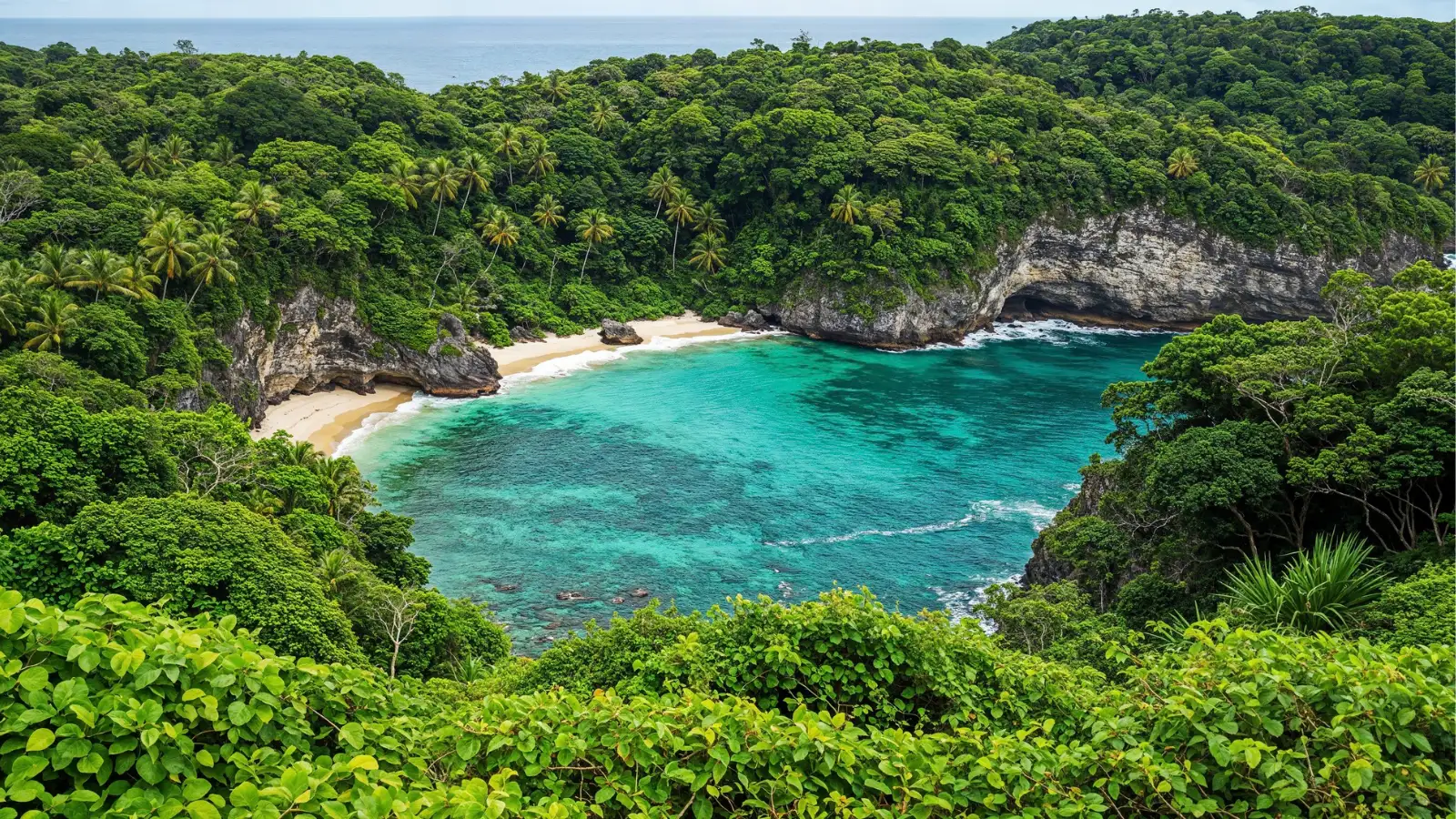
Quick Facts About Andaman National Parks
Detailed Overview of Key National Parks
1. Campbell Bay National Park
Located on Great Nicobar Island, Campbell Bay is the largest national park in the archipelago. Part of the Great Nicobar Biosphere Reserve, it is home to thick tropical evergreen forests and the rare Giant Robber Crab. Birdwatchers can spot the Nicobar Megapede nesting here.
2. Galathea National Park
Also on Great Nicobar Island, Galathea is famous for its Giant Leatherback Turtle nesting sites. Its forests are rich in endemic flora and fauna and act as a buffer between Campbell Bay and other protected areas.
3. Mahatma Gandhi Marine National Park
Near Wandoor, this marine park spans 15 islands and numerous sea creeks. It protects vibrant coral reefs, sea turtles, and other marine life, making it ideal for snorkelling and underwater biodiversity exploration.
4. Mount Harriet (Manipur Parvat) National Park
Renamed to honour Manipur freedom fighters, this park offers spectacular views of the Andaman coast. It is home to the Andaman wild pig, diverse butterfly species, and lush tropical forests.
5. Rani Jhansi Marine National Park
Located in the Ritchie Archipelago, this park provides a safe haven for the Dugong. It combines dense mangroves with moist forests, supporting a variety of aquatic and terrestrial species.
6. Saddle Peak National Park
Home to the highest point in the Andaman Islands, Saddle Peak National Park features stunted evergreen forests and rare birds like the Andaman Hill Myna and Imperial Pigeon.
The National Parks of Andaman & Nicobar Islands are a treasure trove of biodiversity, offering rare wildlife encounters, pristine forests, and vibrant coral ecosystems. These parks are not just protected areas, they are living museums of nature, preserving the unique heritage of India’s islands.
Quick Facts About Andaman National Parks
- Total National Parks: 6 primary protected areas
- Largest: Campbell Bay National Park (426.23 sq. km)
- Smallest: Saddle Peak National Park (32.54 sq. km)
- State Animal: Dugong (Sea Cow)
- Habitats: Tropical Evergreen Forests, Mangroves, Coral Reefs
Detailed Overview of Key National Parks
1. Campbell Bay National Park
Located on Great Nicobar Island, Campbell Bay is the largest national park in the archipelago. Part of the Great Nicobar Biosphere Reserve, it is home to thick tropical evergreen forests and the rare Giant Robber Crab. Birdwatchers can spot the Nicobar Megapede nesting here. 2. Galathea National Park
Also on Great Nicobar Island, Galathea is famous for its Giant Leatherback Turtle nesting sites. Its forests are rich in endemic flora and fauna and act as a buffer between Campbell Bay and other protected areas.3. Mahatma Gandhi Marine National Park
Near Wandoor, this marine park spans 15 islands and numerous sea creeks. It protects vibrant coral reefs, sea turtles, and other marine life, making it ideal for snorkelling and underwater biodiversity exploration. 4. Mount Harriet (Manipur Parvat) National Park
Renamed to honour Manipur freedom fighters, this park offers spectacular views of the Andaman coast. It is home to the Andaman wild pig, diverse butterfly species, and lush tropical forests.5. Rani Jhansi Marine National Park
Located in the Ritchie Archipelago, this park provides a safe haven for the Dugong. It combines dense mangroves with moist forests, supporting a variety of aquatic and terrestrial species. 6. Saddle Peak National Park
Home to the highest point in the Andaman Islands, Saddle Peak National Park features stunted evergreen forests and rare birds like the Andaman Hill Myna and Imperial Pigeon. The National Parks of Andaman & Nicobar Islands are a treasure trove of biodiversity, offering rare wildlife encounters, pristine forests, and vibrant coral ecosystems. These parks are not just protected areas, they are living museums of nature, preserving the unique heritage of India’s islands.
Next Story