
10 Breathtaking Natural Attractions in Costa Rica That Nature Lovers Should Explore

Costa Rica is one of Central America's most fascinating destinations for nature lovers. Known for its tropical rainforests, active volcanoes, beautiful beaches and remarkable wildlife, the country offers an impressive variety of natural landscapes. Despite its relatively small size, it is home to diverse ecosystems that support colourful birds, monkeys, sloths, reptiles and countless plant species. Travellers can explore mist-covered forests, relax beside waterfalls, walk through national parks and discover volcanic landscapes. Whether you enjoy wildlife watching, outdoor adventures or peaceful coastal scenery, these ten natural attractions reveal why Costa Rica is celebrated for its extraordinary biodiversity.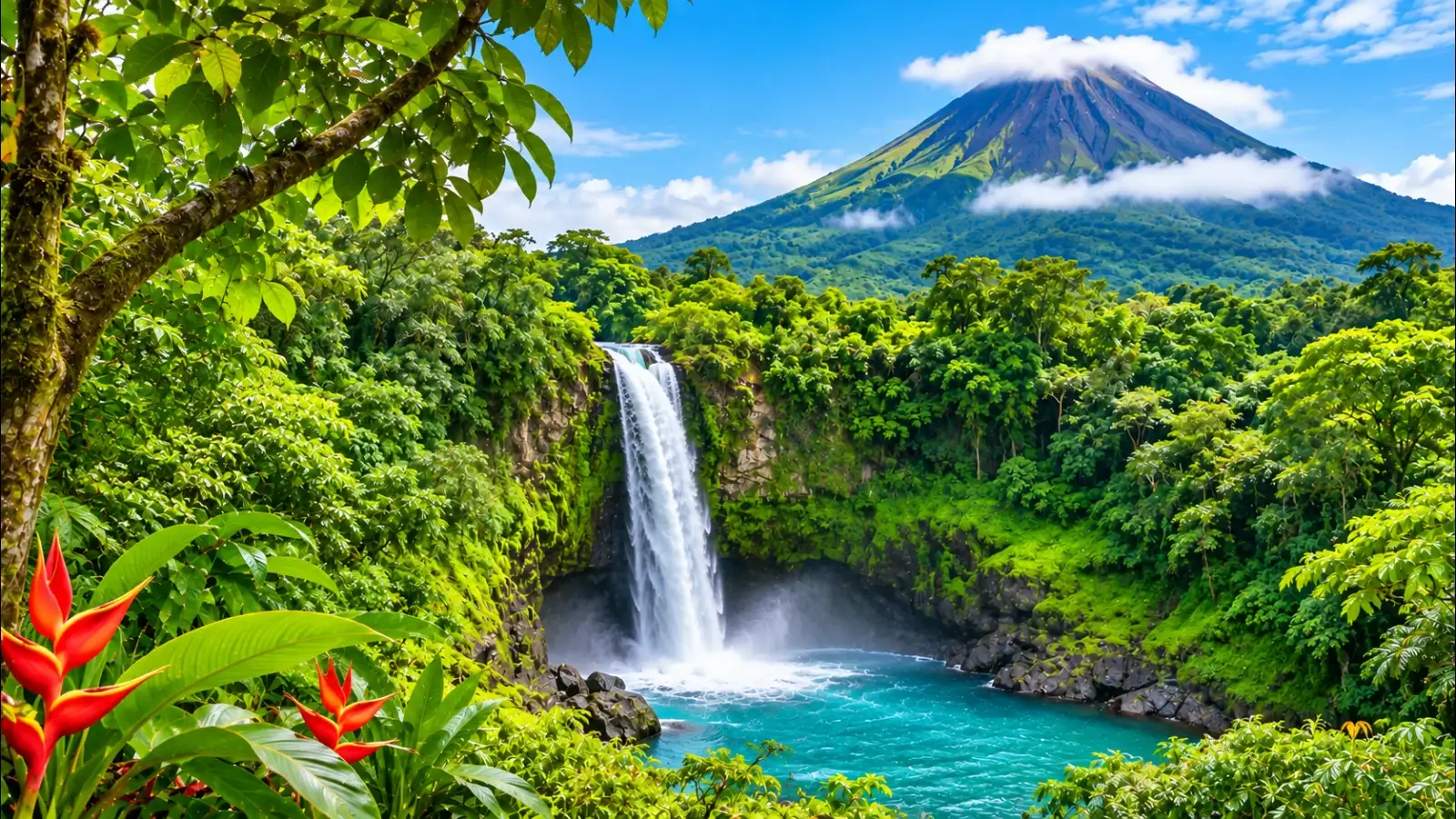
1. Arenal Volcano National Park
Arenal Volcano National Park is one of Costa Rica's most recognisable natural attractions. Located in the northern part of the country, the park surrounds the impressive Arenal Volcano, which rises above a landscape of forests and rolling hills.
Visitors can explore walking trails, admire volcanic rock formations and observe the surrounding wildlife. The nearby Lake Arenal also offers opportunities for kayaking and enjoying scenic views. Although Arenal was historically known for frequent volcanic activity, it has remained in a resting phase since 2010.
2. Monteverde Cloud Forest Reserve
Monteverde Cloud Forest Reserve is famous for its mist-covered trees, rich biodiversity and unique mountain ecosystem. Moisture from the clouds supports a remarkable variety of mosses, orchids, ferns and other plants.
The reserve features well-maintained walking trails and suspension bridges that allow visitors to explore the forest canopy. Birdwatchers may also spot colourful species such as the resplendent quetzal, depending on the season and conditions.
3. Manuel Antonio National Park
Manuel Antonio National Park combines tropical rainforest, white-sand beaches and coastal scenery. Located on the Pacific coast, it is one of Costa Rica's popular destinations for wildlife observation and nature walks.
Visitors may encounter white-faced capuchin monkeys, sloths, iguanas and several bird species along its trails. The park's beaches offer opportunities to relax after exploring the forest, although visitors should follow local rules to protect wildlife and natural habitats.
4. Tortuguero National Park
Tortuguero National Park is known for its network of canals, wetlands, rainforests and coastal habitats. Located on Costa Rica's Caribbean side, much of the park is accessible by boat rather than road.
Boat excursions provide opportunities to observe monkeys, caimans, river turtles and colourful birds. The area is also an important nesting destination for green sea turtles, which come ashore during the nesting season. Visitors should choose responsible guided tours and avoid disturbing nesting animals.
5. Rio Celeste Waterfall
Located within Tenorio Volcano National Park, Rio Celeste Waterfall is famous for its striking turquoise-coloured water. The waterfall drops into a beautiful natural pool surrounded by dense tropical vegetation.
The unusual blue appearance is associated with the mixing of mineral-rich waters from different streams, which creates a distinctive optical effect. A hiking trail leads visitors through the forest towards the waterfall and other scenic sections of the river.
6. Corcovado National Park
Corcovado National Park, situated on the Osa Peninsula, protects one of Costa Rica's most biologically rich rainforest ecosystems. Its landscape includes tropical forests, rivers, mangroves and remote beaches.
The park is home to several fascinating species, including scarlet macaws, tapirs, monkeys and, in some areas, jaguars. Exploring Corcovado generally requires careful planning and authorised guides, making it particularly suitable for travellers interested in wildlife and remote nature experiences.
7. Poás Volcano National Park
Poás Volcano National Park is known for its enormous volcanic crater and impressive high-altitude scenery. Located in Costa Rica's Central Valley region, it is one of the country's most accessible volcanic attractions.
Visitors can explore designated viewpoints and learn about the volcano's geological activity. The crater contains an acidic lake whose appearance can change depending on volcanic and weather conditions. Access may be restricted during periods of increased activity, so checking official park updates is essential.
8. Cahuita National Park
Cahuita National Park is a beautiful coastal protected area on the Caribbean side of Costa Rica. It combines tropical rainforest, coral reefs, mangroves and sandy beaches.
Walking trails run through the forest, where visitors may spot sloths, monkeys, raccoons and colourful birds. The nearby marine environment is also known for coral formations and tropical fish. Snorkelling opportunities depend on sea conditions and local conservation rules.
9. La Fortuna Waterfall
La Fortuna Waterfall is one of the most popular natural attractions near the town of La Fortuna. Located at the base of a forest-covered cliff, the waterfall plunges into a clear natural pool surrounded by tropical vegetation.
Visitors reach the falls by descending a long staircase through the forest. The journey offers beautiful views, although the steps can be steep and slippery. Swimming may be permitted in designated areas when conditions are safe, so local instructions should always be followed.
10. Nicoya Peninsula
The Nicoya Peninsula is known for its beautiful beaches, coastal forests and relaxed atmosphere. Located along Costa Rica's Pacific coast, it features a variety of landscapes, from sandy bays to rocky headlands and tropical dry forests.
Popular destinations include Santa Teresa, Montezuma and Sámara. Travellers can enjoy coastal walks, wildlife observation, surfing and visits to nearby natural reserves. The peninsula is also recognised for its traditional communities and connection with Costa Rica's wider natural heritage.
Best Time to Explore Costa Rica's Natural Attractions
Costa Rica generally has a dry season from December to April and a rainy season from May to November. The dry season is popular for beach visits, hiking and exploring several national parks, although some destinations can become busy.
The rainy season brings greener landscapes and can offer excellent opportunities for wildlife observation. However, heavy showers may affect hiking trails and road conditions. Weather patterns also vary between the Pacific and Caribbean coasts, so check local forecasts before planning outdoor activities.
Costa Rica offers an impressive range of natural attractions, from volcanoes and cloud forests to waterfalls, wildlife-rich national parks and tropical beaches. Each destination provides a different way to experience the country's biodiversity and landscapes. Whether you are interested in observing wildlife, exploring forest trails or enjoying coastal scenery, these ten places offer a wonderful introduction to Costa Rica's natural beauty.
1. Arenal Volcano National Park
Arenal Volcano National Park is one of Costa Rica's most recognisable natural attractions. Located in the northern part of the country, the park surrounds the impressive Arenal Volcano, which rises above a landscape of forests and rolling hills.
Visitors can explore walking trails, admire volcanic rock formations and observe the surrounding wildlife. The nearby Lake Arenal also offers opportunities for kayaking and enjoying scenic views. Although Arenal was historically known for frequent volcanic activity, it has remained in a resting phase since 2010.
2. Monteverde Cloud Forest Reserve
Monteverde Cloud Forest Reserve is famous for its mist-covered trees, rich biodiversity and unique mountain ecosystem. Moisture from the clouds supports a remarkable variety of mosses, orchids, ferns and other plants.
The reserve features well-maintained walking trails and suspension bridges that allow visitors to explore the forest canopy. Birdwatchers may also spot colourful species such as the resplendent quetzal, depending on the season and conditions.
3. Manuel Antonio National Park
Manuel Antonio National Park combines tropical rainforest, white-sand beaches and coastal scenery. Located on the Pacific coast, it is one of Costa Rica's popular destinations for wildlife observation and nature walks.
Visitors may encounter white-faced capuchin monkeys, sloths, iguanas and several bird species along its trails. The park's beaches offer opportunities to relax after exploring the forest, although visitors should follow local rules to protect wildlife and natural habitats.
4. Tortuguero National Park
Tortuguero National Park is known for its network of canals, wetlands, rainforests and coastal habitats. Located on Costa Rica's Caribbean side, much of the park is accessible by boat rather than road.
Boat excursions provide opportunities to observe monkeys, caimans, river turtles and colourful birds. The area is also an important nesting destination for green sea turtles, which come ashore during the nesting season. Visitors should choose responsible guided tours and avoid disturbing nesting animals.
5. Rio Celeste Waterfall
Located within Tenorio Volcano National Park, Rio Celeste Waterfall is famous for its striking turquoise-coloured water. The waterfall drops into a beautiful natural pool surrounded by dense tropical vegetation.
The unusual blue appearance is associated with the mixing of mineral-rich waters from different streams, which creates a distinctive optical effect. A hiking trail leads visitors through the forest towards the waterfall and other scenic sections of the river.
6. Corcovado National Park
Corcovado National Park, situated on the Osa Peninsula, protects one of Costa Rica's most biologically rich rainforest ecosystems. Its landscape includes tropical forests, rivers, mangroves and remote beaches.
The park is home to several fascinating species, including scarlet macaws, tapirs, monkeys and, in some areas, jaguars. Exploring Corcovado generally requires careful planning and authorised guides, making it particularly suitable for travellers interested in wildlife and remote nature experiences.
7. Poás Volcano National Park
Poás Volcano National Park is known for its enormous volcanic crater and impressive high-altitude scenery. Located in Costa Rica's Central Valley region, it is one of the country's most accessible volcanic attractions.
Visitors can explore designated viewpoints and learn about the volcano's geological activity. The crater contains an acidic lake whose appearance can change depending on volcanic and weather conditions. Access may be restricted during periods of increased activity, so checking official park updates is essential.
8. Cahuita National Park
Cahuita National Park is a beautiful coastal protected area on the Caribbean side of Costa Rica. It combines tropical rainforest, coral reefs, mangroves and sandy beaches.
Walking trails run through the forest, where visitors may spot sloths, monkeys, raccoons and colourful birds. The nearby marine environment is also known for coral formations and tropical fish. Snorkelling opportunities depend on sea conditions and local conservation rules.
9. La Fortuna Waterfall
La Fortuna Waterfall is one of the most popular natural attractions near the town of La Fortuna. Located at the base of a forest-covered cliff, the waterfall plunges into a clear natural pool surrounded by tropical vegetation.
Visitors reach the falls by descending a long staircase through the forest. The journey offers beautiful views, although the steps can be steep and slippery. Swimming may be permitted in designated areas when conditions are safe, so local instructions should always be followed.
10. Nicoya Peninsula
You may also like
- Chanakya Niti: Women who possess these five qualities bring prosperity! They become Lakshmi for the home!
- In a world addicted to scrolling, Brain Rot and Wisdom by Farhat Nasreen and Yusuf Rana Kamal asks if we're losing the art of thinking
- Beyond theatre and music, Pune explores a new art vocabulary
- No more fear of money vanishing from your bank account? Learn about the RBI's 'Emergency Stop Switch'
- RRB NTPC Skill Test Admit Card Released; Check Exam Center Guidelines
The Nicoya Peninsula is known for its beautiful beaches, coastal forests and relaxed atmosphere. Located along Costa Rica's Pacific coast, it features a variety of landscapes, from sandy bays to rocky headlands and tropical dry forests.
Popular destinations include Santa Teresa, Montezuma and Sámara. Travellers can enjoy coastal walks, wildlife observation, surfing and visits to nearby natural reserves. The peninsula is also recognised for its traditional communities and connection with Costa Rica's wider natural heritage.
Best Time to Explore Costa Rica's Natural Attractions
Costa Rica generally has a dry season from December to April and a rainy season from May to November. The dry season is popular for beach visits, hiking and exploring several national parks, although some destinations can become busy.
The rainy season brings greener landscapes and can offer excellent opportunities for wildlife observation. However, heavy showers may affect hiking trails and road conditions. Weather patterns also vary between the Pacific and Caribbean coasts, so check local forecasts before planning outdoor activities.
Costa Rica offers an impressive range of natural attractions, from volcanoes and cloud forests to waterfalls, wildlife-rich national parks and tropical beaches. Each destination provides a different way to experience the country's biodiversity and landscapes. Whether you are interested in observing wildlife, exploring forest trails or enjoying coastal scenery, these ten places offer a wonderful introduction to Costa Rica's natural beauty.






Loving Newspoint? Download the app now
