
Natural Ayurvedic Remedies for Relieving Joint Pain

Joint pain is a common ailment affecting individuals of all ages. While modern medicine offers solutions, many turn to Ayurvedic remedies for a natural and holistic approach to pain relief. Rooted in centuries of traditional practice, Ayurveda provides safe, effective methods to reduce inflammation, enhance mobility, and promote joint health without harsh side effects. Here’s a look at some of the most effective Ayurvedic remedies for naturally alleviating joint pain.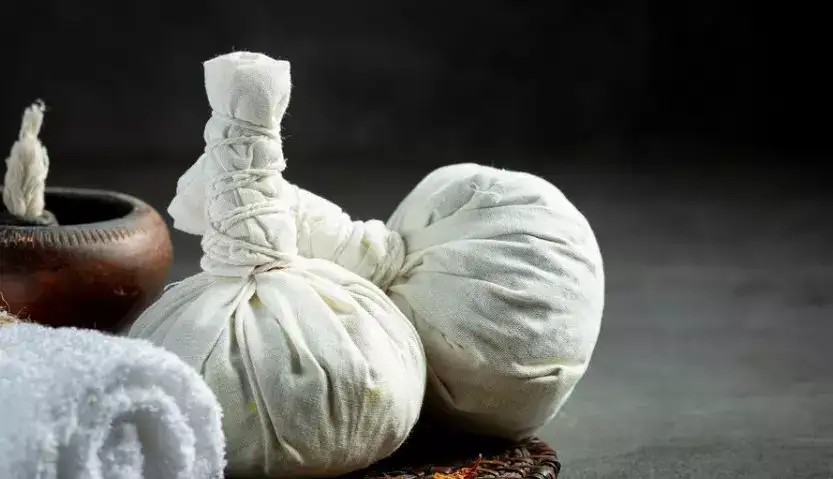
Turmeric (Haldi)
Turmeric is renowned for its powerful anti-inflammatory properties due to its active compound, curcumin. Regular consumption of turmeric can significantly reduce inflammation and pain in the joints. You can incorporate turmeric into your daily diet or consume it with warm milk for enhanced absorption.
Ashwagandha
Ashwagandha is an adaptogenic herb that not only reduces inflammation but also strengthens muscles and improves joint flexibility. Regular use of Ashwagandha helps in lowering pain intensity and preventing further joint damage.
Ginger (Adrak)
Ginger is widely recognised for its anti-inflammatory effects. It works by blocking inflammatory compounds and lowering pain levels in arthritic joints. Drinking ginger tea or adding fresh ginger to meals can provide consistent relief.
Shallaki (Boswellia Serrata)
This herb is known for its anti-inflammatory and pain-relieving properties. Shallaki improves blood circulation to the joints, reduces swelling, and enhances mobility. Its regular use can provide long-term relief from chronic joint pain.
Guggul
Guggul is a powerful resin used in Ayurveda for its anti-inflammatory properties. It helps in reducing stiffness, enhancing joint mobility, and providing overall support to the musculoskeletal system.
Mahanarayan Oil
This traditional Ayurvedic oil is infused with multiple herbs known for their anti-inflammatory and pain-relieving effects. Regular massage with Mahanarayan oil helps in reducing stiffness and improving joint flexibility.
Sesame Oil (Til Oil)
Sesame oil is highly valued in Ayurveda for its warming properties. Massaging sore joints with warm sesame oil soothes pain and enhances circulation, providing relief from inflammation.
Eucalyptus Oil
Eucalyptus oil has anti-inflammatory and analgesic properties that help in reducing joint pain. A gentle massage with diluted eucalyptus oil can soothe sore areas and reduce discomfort.
Regular Exercise: Gentle yoga and stretching exercises can improve flexibility and strengthen joints.
Stay Hydrated: Proper hydration helps in maintaining the lubrication of joints, reducing friction and discomfort.
Adequate Rest: Ensuring enough rest and avoiding overexertion can prevent strain on the joints.
Warm Compresses: Applying a warm compress to aching joints can provide instant relief from pain and stiffness.
Ayurvedic remedies offer a natural and holistic path to alleviating joint pain. Through the use of potent herbs, therapeutic oils, dietary adjustments, and lifestyle modifications, Ayurveda aims to restore balance and enhance joint health without the harsh side effects of conventional medicine. Embracing these ancient practices not only provides relief but also contributes to overall well-being.
Disclaimer: This article is for informational purposes only and should not be considered medical advice. Always consult with a healthcare professional before starting any new treatment for joint pain.
Understanding Joint Pain Through Ayurveda
According to Ayurveda, joint pain is primarily linked to an imbalance in the Vata dosha, which governs movement and dryness in the body. When Vata becomes aggravated, it leads to discomfort, stiffness, and inflammation in the joints. Ayurvedic treatments focus on restoring this balance through natural herbs, dietary changes, and lifestyle adjustments to alleviate symptoms and support overall joint health.Ayurvedic Herbs for Joint Pain Relief
Turmeric (Haldi)
Turmeric is renowned for its powerful anti-inflammatory properties due to its active compound, curcumin. Regular consumption of turmeric can significantly reduce inflammation and pain in the joints. You can incorporate turmeric into your daily diet or consume it with warm milk for enhanced absorption.
Ashwagandha
Ashwagandha is an adaptogenic herb that not only reduces inflammation but also strengthens muscles and improves joint flexibility. Regular use of Ashwagandha helps in lowering pain intensity and preventing further joint damage.
Ginger (Adrak)
Ginger is widely recognised for its anti-inflammatory effects. It works by blocking inflammatory compounds and lowering pain levels in arthritic joints. Drinking ginger tea or adding fresh ginger to meals can provide consistent relief.
Shallaki (Boswellia Serrata)
This herb is known for its anti-inflammatory and pain-relieving properties. Shallaki improves blood circulation to the joints, reduces swelling, and enhances mobility. Its regular use can provide long-term relief from chronic joint pain.
Guggul
Guggul is a powerful resin used in Ayurveda for its anti-inflammatory properties. It helps in reducing stiffness, enhancing joint mobility, and providing overall support to the musculoskeletal system.
Ayurvedic Oils and Topical Applications
Massage therapy plays a crucial role in Ayurveda for treating joint pain. The application of warm herbal oils improves circulation, reduces stiffness, and alleviates pain.Mahanarayan Oil
This traditional Ayurvedic oil is infused with multiple herbs known for their anti-inflammatory and pain-relieving effects. Regular massage with Mahanarayan oil helps in reducing stiffness and improving joint flexibility.
Sesame Oil (Til Oil)
Sesame oil is highly valued in Ayurveda for its warming properties. Massaging sore joints with warm sesame oil soothes pain and enhances circulation, providing relief from inflammation.
Eucalyptus Oil
Eucalyptus oil has anti-inflammatory and analgesic properties that help in reducing joint pain. A gentle massage with diluted eucalyptus oil can soothe sore areas and reduce discomfort.
Dietary Recommendations for Joint Health
Ayurveda emphasises the importance of diet in managing joint pain. A Vata-pacifying diet that includes warm, moist, and easily digestible foods is recommended.- Increase intake of Omega-3 fatty acids found in flaxseeds, walnuts, and certain fish to reduce inflammation.
- Consume more leafy greens and vegetables like spinach, broccoli, and carrots to support bone health.
- Avoid cold and dry foods that may aggravate Vata dosha, leading to increased joint pain.
- Include whole grains and pulses like lentils, brown rice, and barley for their nourishing properties.
Lifestyle Modifications for Better Joint Health
Regular Exercise: Gentle yoga and stretching exercises can improve flexibility and strengthen joints.
Stay Hydrated: Proper hydration helps in maintaining the lubrication of joints, reducing friction and discomfort.
Adequate Rest: Ensuring enough rest and avoiding overexertion can prevent strain on the joints.
Warm Compresses: Applying a warm compress to aching joints can provide instant relief from pain and stiffness.
Precautions and Considerations
While Ayurvedic remedies are natural, it's important to consult with an Ayurvedic practitioner before beginning any herbal regimen, especially if you are currently on medication or have existing health conditions. Some herbs may interact with prescribed treatments, so professional guidance is advised.Ayurvedic remedies offer a natural and holistic path to alleviating joint pain. Through the use of potent herbs, therapeutic oils, dietary adjustments, and lifestyle modifications, Ayurveda aims to restore balance and enhance joint health without the harsh side effects of conventional medicine. Embracing these ancient practices not only provides relief but also contributes to overall well-being.
Disclaimer: This article is for informational purposes only and should not be considered medical advice. Always consult with a healthcare professional before starting any new treatment for joint pain.
Next Story