
8 Fascinating Natural Landscapes Created by the Movement of Underground Water

Water does not shape the Earth's surface only through rivers, waterfalls and ocean waves. Beneath the ground, moving water slowly dissolves rocks, carries minerals and creates remarkable geological formations. Over thousands or even millions of years, these hidden processes can produce enormous caves, unusual valleys, deep sinkholes and striking mineral deposits. Some of these landscapes remain hidden underground, while others become impressive natural attractions. Their appearance often reveals the powerful influence of water beneath our feet. Here are eight fascinating natural landscapes formed or significantly shaped by underground water movement.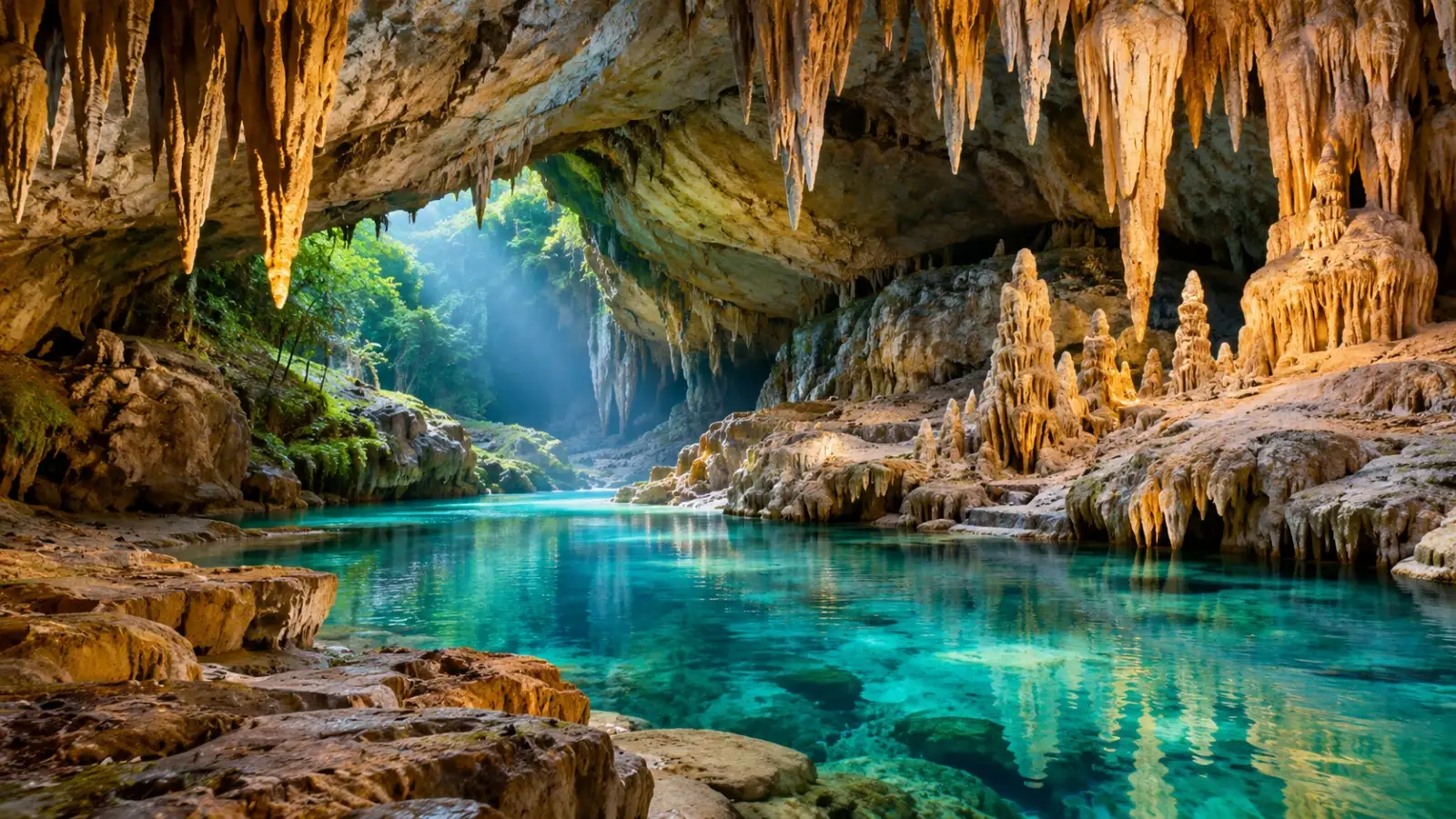
Over long periods, these spaces can develop into extensive cave systems. Stalactites hanging from ceilings and stalagmites rising from cave floors may also form as mineral-rich water drips and deposits calcium carbonate.
Water creates cavities beneath the surface, sometimes weakening the ground above them. When the supporting material can no longer hold its weight, the surface may collapse. Some sinkholes form gradually, while others appear suddenly and can affect roads, buildings and farmland.
In some regions, this process produces broad depressions and valleys with unusual shapes. Streams may disappear into underground openings and reappear elsewhere, creating distinctive drainage patterns. These landscapes often contain caves, sinkholes and natural springs within the same geographical area.
Some underground rivers carry water from surface streams, while others collect rainfall that enters through cracks and openings. They can travel considerable distances before emerging through springs or joining other water systems. Their hidden routes are an important part of natural groundwater drainage.
Over time, erosion and weathering may enlarge these spaces, leaving stronger sections of rock standing above them. Although many famous arches are primarily shaped by surface erosion, groundwater can contribute significantly to their formation in suitable geological conditions.
As the mineral deposits accumulate, they create layers, steps and small pools. These formations can develop into impressive natural terraces. Pamukkale in Türkiye is one of the best-known examples, with its white mineral formations and shallow pools.
In some places, groundwater carries dissolved minerals that accumulate around the spring. Over time, these deposits can create raised mounds and unusual mineral structures. Spring activity also supports distinctive habitats for plants, insects and other wildlife.
As softer or more exposed sections of rock wear down, resistant limestone formations remain standing. These unusual hills are particularly associated with parts of southern China and Southeast Asia. Their dramatic shapes create some of the world's most distinctive natural landscapes.
These formations also influence groundwater storage, natural drainage and local ecosystems. Understanding them helps explain why some regions contain extensive cave systems, unusual valleys and mineral-rich springs.
From enormous limestone caves to white travertine terraces, underground water plays an important role in shaping the natural world. Its movement can transform solid rock into complex underground networks and create distinctive formations at the surface. Although these changes often happen slowly, their results can be extraordinary. Exploring such landscapes offers a fascinating look at the geological processes taking place beneath the Earth's surface.
1. Limestone Caves
Limestone caves are among the most recognisable landscapes created by underground water. Rainwater absorbs carbon dioxide from the atmosphere and soil, becoming slightly acidic. As it moves through cracks in limestone, it gradually dissolves the rock and enlarges small openings into passages and chambers.Over long periods, these spaces can develop into extensive cave systems. Stalactites hanging from ceilings and stalagmites rising from cave floors may also form as mineral-rich water drips and deposits calcium carbonate.
2. Sinkholes
Sinkholes are depressions or holes that develop when the ground surface collapses or gradually sinks. They commonly occur in regions where underground water dissolves soluble rocks such as limestone, gypsum or salt.Water creates cavities beneath the surface, sometimes weakening the ground above them. When the supporting material can no longer hold its weight, the surface may collapse. Some sinkholes form gradually, while others appear suddenly and can affect roads, buildings and farmland.
3. Karst Valleys
Karst landscapes develop in areas containing soluble rocks, particularly limestone. Underground water dissolves the rock over time, creating networks of passages, caves and drainage channels.In some regions, this process produces broad depressions and valleys with unusual shapes. Streams may disappear into underground openings and reappear elsewhere, creating distinctive drainage patterns. These landscapes often contain caves, sinkholes and natural springs within the same geographical area.
4. Underground Rivers
Underground rivers form when water flows through natural passages beneath the Earth's surface. They are particularly common in limestone regions, where water gradually creates interconnected channels and cave systems.Some underground rivers carry water from surface streams, while others collect rainfall that enters through cracks and openings. They can travel considerable distances before emerging through springs or joining other water systems. Their hidden routes are an important part of natural groundwater drainage.
5. Natural Arches and Rock Bridges
Certain natural arches and rock bridges develop through a combination of geological processes, including underground water movement. When water dissolves weaker sections of soluble rock, it can gradually create openings and cavities.Over time, erosion and weathering may enlarge these spaces, leaving stronger sections of rock standing above them. Although many famous arches are primarily shaped by surface erosion, groundwater can contribute significantly to their formation in suitable geological conditions.
6. Travertine Terraces
Travertine terraces are striking formations created when mineral-rich groundwater reaches the surface. The water often contains dissolved calcium carbonate, which begins to precipitate when conditions such as temperature or carbon dioxide levels change.As the mineral deposits accumulate, they create layers, steps and small pools. These formations can develop into impressive natural terraces. Pamukkale in Türkiye is one of the best-known examples, with its white mineral formations and shallow pools.
7. Natural Springs and Spring Mounds
Natural springs appear when groundwater reaches the Earth's surface through cracks, openings or permeable layers of rock. The water may emerge at the base of hills, along valley slopes or through limestone formations.In some places, groundwater carries dissolved minerals that accumulate around the spring. Over time, these deposits can create raised mounds and unusual mineral structures. Spring activity also supports distinctive habitats for plants, insects and other wildlife.
8. Karst Towers
Karst towers are tall, steep-sided limestone hills that develop through prolonged chemical weathering and underground drainage. Rainwater gradually dissolves the surrounding limestone, while underground channels carry water away from the area.As softer or more exposed sections of rock wear down, resistant limestone formations remain standing. These unusual hills are particularly associated with parts of southern China and Southeast Asia. Their dramatic shapes create some of the world's most distinctive natural landscapes.
How Underground Water Changes the Earth's Surface
Underground water movement is a continuous geological process. It can dissolve certain rocks, transport minerals, create cavities and change the stability of the ground above. The effects may take thousands or millions of years to become visible, but they can eventually produce landscapes of remarkable scale and beauty.These formations also influence groundwater storage, natural drainage and local ecosystems. Understanding them helps explain why some regions contain extensive cave systems, unusual valleys and mineral-rich springs.
From enormous limestone caves to white travertine terraces, underground water plays an important role in shaping the natural world. Its movement can transform solid rock into complex underground networks and create distinctive formations at the surface. Although these changes often happen slowly, their results can be extraordinary. Exploring such landscapes offers a fascinating look at the geological processes taking place beneath the Earth's surface.
Next Story