
Nature’s Architects: Birds That Build The Most Complex Nests

When it comes to home-building, some birds put even the finest architects to shame. Their nests are not just shelters but marvels of design, engineering, and instinct. From hanging woven baskets to multi-chambered clay homes, here’s a look at some of the most fascinating birds that build intricate and complex nests.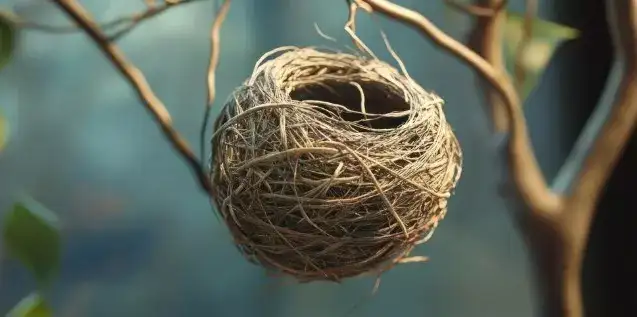
1. Weaver Birds – Nature’s Master Weavers
Found across Africa and Asia, weaver birds are known for their woven nests made of grass, twigs, and leaves. These spherical or hanging nests are intricately knotted using just their beaks and feet—a true display of skill and patience.
2. Sociable Weavers – Living in Bird Cities
Native to southern Africa, sociable weavers take teamwork to another level. They build massive communal nests—sometimes weighing over a ton and housing hundreds of birds. These nests are like apartment complexes with separate “rooms” and generations living together.
3. Baya Weavers – Hanging Marvels
Common in the Indian subcontinent, baya weavers create hanging nests shaped like pendulums. These nests are often found in colonies and built with precision to withstand monsoon winds and predator attacks.
4. Ovenbirds – Clay Engineers
True to their name, ovenbirds from South America build clay nests that resemble small ovens. These dome-shaped structures are hard and protective, keeping eggs safe from harsh weather and predators.
5. Tailorbirds – Seamstresses of the Wild
These tiny birds “sew” leaves together using plant fibers, spider webs, or even silk from cocoons to create a cradle-like nest. Found across Asia, tailorbirds show a level of nest-making finesse that’s hard to believe.
6. Horned Coots – Rock Solid Foundations
Living in high-altitude lakes of the Andes, horned coots create floating nests using thousands of pebbles. They pile stones to form a base, then add vegetation on top to lay their eggs—an impressive feat in a harsh environment.
7. Swifts – Masters of Aerial Construction
Some swift species, like the edible-nest swiftlet, build nests entirely from their hardened saliva. These nests cling to cave walls and are a vital cultural delicacy in some parts of Asia, though harvesting has raised conservation concerns.
8. Montezuma Oropendolas – Long-Hanging Nest Artists
These Central American birds craft long, sock-like hanging nests that dangle from high branches. Their nests can reach up to six feet in length and are built in colonies that resemble tree-bound villages.
9. Hummingbirds – Tiny Nests, Big Effort
Hummingbirds build small, cup-shaped nests using spider silk, feathers, and lichen. Despite their size, the nests are incredibly strong, elastic, and often camouflaged to blend into their surroundings.
10. African Jacanas – Floating Nest Builders
Known for walking on water lilies, African jacanas build floating nests on aquatic vegetation. Their nests drift on water, yet stay stable enough to safely house eggs and chicks.
These birds prove that nature’s architecture is as diverse as it is brilliant. Whether it’s a finely stitched leaf, a hanging fortress, or a communal skyscraper in a tree, bird nests are silent testaments to evolution, adaptation, and pure instinctive genius.
1. Weaver Birds – Nature’s Master Weavers
Found across Africa and Asia, weaver birds are known for their woven nests made of grass, twigs, and leaves. These spherical or hanging nests are intricately knotted using just their beaks and feet—a true display of skill and patience.
2. Sociable Weavers – Living in Bird Cities
Native to southern Africa, sociable weavers take teamwork to another level. They build massive communal nests—sometimes weighing over a ton and housing hundreds of birds. These nests are like apartment complexes with separate “rooms” and generations living together.
3. Baya Weavers – Hanging Marvels
Common in the Indian subcontinent, baya weavers create hanging nests shaped like pendulums. These nests are often found in colonies and built with precision to withstand monsoon winds and predator attacks.
4. Ovenbirds – Clay Engineers
True to their name, ovenbirds from South America build clay nests that resemble small ovens. These dome-shaped structures are hard and protective, keeping eggs safe from harsh weather and predators.
5. Tailorbirds – Seamstresses of the Wild
These tiny birds “sew” leaves together using plant fibers, spider webs, or even silk from cocoons to create a cradle-like nest. Found across Asia, tailorbirds show a level of nest-making finesse that’s hard to believe.
6. Horned Coots – Rock Solid Foundations
Living in high-altitude lakes of the Andes, horned coots create floating nests using thousands of pebbles. They pile stones to form a base, then add vegetation on top to lay their eggs—an impressive feat in a harsh environment.
7. Swifts – Masters of Aerial Construction
Some swift species, like the edible-nest swiftlet, build nests entirely from their hardened saliva. These nests cling to cave walls and are a vital cultural delicacy in some parts of Asia, though harvesting has raised conservation concerns.
8. Montezuma Oropendolas – Long-Hanging Nest Artists
These Central American birds craft long, sock-like hanging nests that dangle from high branches. Their nests can reach up to six feet in length and are built in colonies that resemble tree-bound villages.
9. Hummingbirds – Tiny Nests, Big Effort
Hummingbirds build small, cup-shaped nests using spider silk, feathers, and lichen. Despite their size, the nests are incredibly strong, elastic, and often camouflaged to blend into their surroundings.
10. African Jacanas – Floating Nest Builders
Known for walking on water lilies, African jacanas build floating nests on aquatic vegetation. Their nests drift on water, yet stay stable enough to safely house eggs and chicks.
These birds prove that nature’s architecture is as diverse as it is brilliant. Whether it’s a finely stitched leaf, a hanging fortress, or a communal skyscraper in a tree, bird nests are silent testaments to evolution, adaptation, and pure instinctive genius.
Next Story