
Nature’s Genius: 10 Inventions That Took Inspiration From Wildlife & Plants

Nature has been a guiding force for some of the most remarkable inventions in human history. Scientists and engineers often turn to the natural world to solve complex problems, taking cues from animals, plants, and even microscopic organisms. From transportation and medicine to materials science, biomimicry has led to innovations that shape the modern world. Many of these inventions are not just efficient but also sustainable, proving that nature often holds the answers to human challenges. Here are ten extraordinary inventions that were directly inspired by the wonders of nature.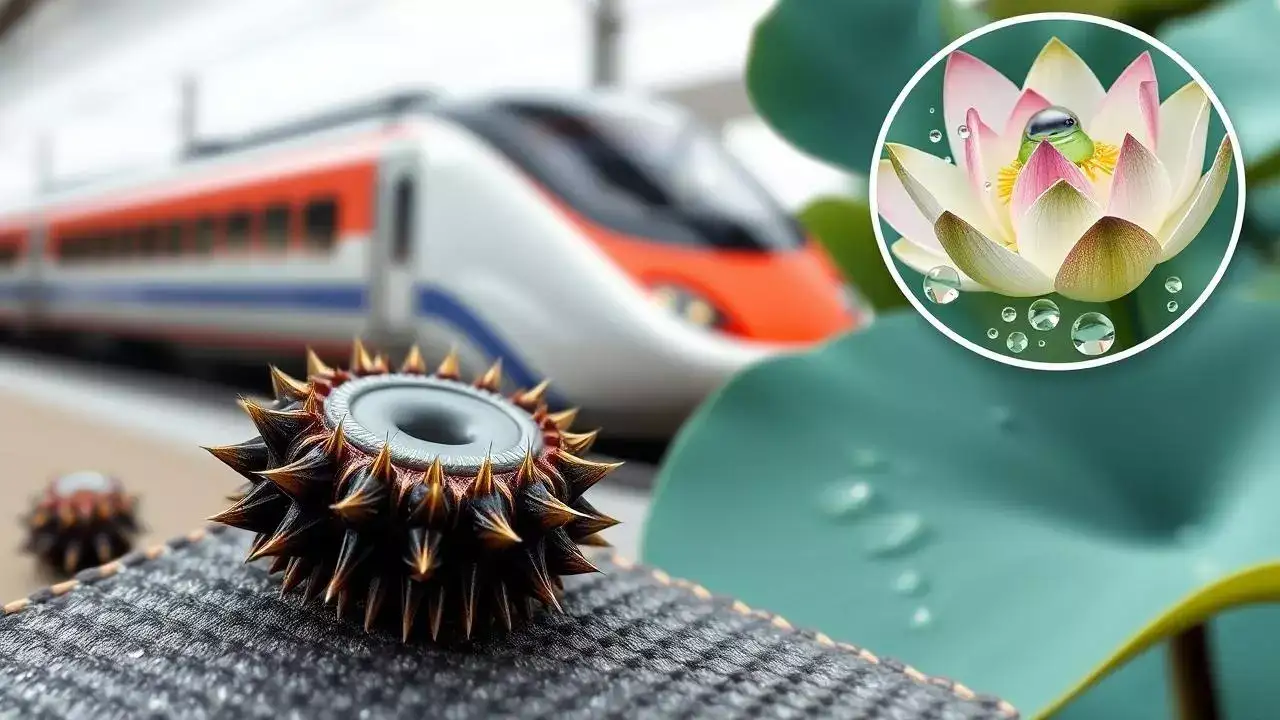
Velcro: Inspired by Burdock Burrs
Swiss engineer George de Mestral invented Velcro in the 1940s after noticing how burdock burrs stuck to his clothes and his dog’s fur. The tiny hooks on the burrs led him to create a fastening system with similar hook-and-loop structures. Today, Velcro is used in countless applications, from clothing and footwear to medical devices and space technology.
Bullet Train Aerodynamics from the Kingfisher
Japan’s Shinkansen bullet trains were redesigned to reduce noise and improve speed after engineers studied the kingfisher bird. The bird’s streamlined beak allows it to dive into the water with minimal splash. By adopting a similar shape for the train’s nose, engineers reduced air resistance, making the trains faster, quieter, and more energy-efficient.
Gecko-Inspired Adhesives
Geckos can climb vertical surfaces thanks to microscopic hair-like structures on their feet. Scientists replicated this feature to develop ultra-strong, reusable adhesives. These bio-inspired adhesives are now used in robotics, medical applications, and even space exploration, enabling objects to stick without glue.
Shark Skin Technology for Speed and Hygiene
Sharks have tiny, textured scales called dermal denticles that reduce drag and prevent bacteria buildup. This natural design inspired swimwear for Olympic athletes, improving speed in water. Additionally, hospitals and public spaces now use shark skin-inspired coatings to resist bacteria, reducing the spread of infections.
Butterfly Wings and Colour-Shifting Materials
Many butterflies, such as the Morpho butterfly, have iridescent wings that reflect light rather than relying on pigments. This has inspired colour-changing materials used in fashion, security features on banknotes, and even energy-efficient displays for screens and e-readers.
Termite Mounds and Climate-Controlled Buildings
Termites construct mounds with intricate ventilation systems that maintain a stable temperature inside. Architects have applied this principle to create energy-efficient buildings, such as the Eastgate Centre in Zimbabwe. These structures use natural airflow to regulate temperature, reducing the need for artificial cooling and heating.
The Lotus Effect for Self-Cleaning Surfaces
Lotus leaves have a natural ability to repel water and dirt due to their microscopic texture. This has inspired self-cleaning paints, glass surfaces, and even clothing materials that resist stains, reducing the need for chemical cleaners and making maintenance easier.
Owl Wings and Noise-Reducing Technology
Owls can fly almost silently due to their uniquely structured feathers, which reduce noise during flight. This concept has been applied to wind turbine blades, aeroplanes, and even drones to reduce sound pollution, making transportation and energy generation quieter and more efficient.
Spider Silk and Ultra-Strong Materials
Spider silk is one of the strongest natural fibres, even stronger than steel by weight. Scientists have studied its structure to develop synthetic spider silk for medical sutures, bulletproof vests, and lightweight yet strong construction materials. Research is ongoing to produce spider silk on a large scale for various industries.
Whale Flippers and Energy-Efficient Wind Turbines
Humpback whales have bumpy, ridged flippers that help them manoeuvre efficiently in water. Engineers mimicked this design in wind turbine blades, leading to increased energy output and improved performance in variable wind conditions. This innovation helps generate more power while reducing operational noise.
Velcro: Inspired by Burdock Burrs
Swiss engineer George de Mestral invented Velcro in the 1940s after noticing how burdock burrs stuck to his clothes and his dog’s fur. The tiny hooks on the burrs led him to create a fastening system with similar hook-and-loop structures. Today, Velcro is used in countless applications, from clothing and footwear to medical devices and space technology.
Bullet Train Aerodynamics from the Kingfisher
Japan’s Shinkansen bullet trains were redesigned to reduce noise and improve speed after engineers studied the kingfisher bird. The bird’s streamlined beak allows it to dive into the water with minimal splash. By adopting a similar shape for the train’s nose, engineers reduced air resistance, making the trains faster, quieter, and more energy-efficient.
Gecko-Inspired Adhesives
Geckos can climb vertical surfaces thanks to microscopic hair-like structures on their feet. Scientists replicated this feature to develop ultra-strong, reusable adhesives. These bio-inspired adhesives are now used in robotics, medical applications, and even space exploration, enabling objects to stick without glue.
Shark Skin Technology for Speed and Hygiene
Sharks have tiny, textured scales called dermal denticles that reduce drag and prevent bacteria buildup. This natural design inspired swimwear for Olympic athletes, improving speed in water. Additionally, hospitals and public spaces now use shark skin-inspired coatings to resist bacteria, reducing the spread of infections.
You may also like
- IIT Kanpur to Offer Medical Degrees; Here's the Plan
- Want to run your fridge 24/7 on solar power? What capacity panels should you install?
- Wife Earns More: Does She Have to Cover Husband's Expenses After Divorce?
- TRAI's New Rule! Charges of up to 5 paise per minute to apply to certain calls; here's what will change
- How to get a passport for your child: What is the process following the rule changes?
Butterfly Wings and Colour-Shifting Materials
Many butterflies, such as the Morpho butterfly, have iridescent wings that reflect light rather than relying on pigments. This has inspired colour-changing materials used in fashion, security features on banknotes, and even energy-efficient displays for screens and e-readers.
Termite Mounds and Climate-Controlled Buildings
Termites construct mounds with intricate ventilation systems that maintain a stable temperature inside. Architects have applied this principle to create energy-efficient buildings, such as the Eastgate Centre in Zimbabwe. These structures use natural airflow to regulate temperature, reducing the need for artificial cooling and heating.
The Lotus Effect for Self-Cleaning Surfaces
Lotus leaves have a natural ability to repel water and dirt due to their microscopic texture. This has inspired self-cleaning paints, glass surfaces, and even clothing materials that resist stains, reducing the need for chemical cleaners and making maintenance easier.
Owl Wings and Noise-Reducing Technology
Owls can fly almost silently due to their uniquely structured feathers, which reduce noise during flight. This concept has been applied to wind turbine blades, aeroplanes, and even drones to reduce sound pollution, making transportation and energy generation quieter and more efficient.
Spider Silk and Ultra-Strong Materials
Spider silk is one of the strongest natural fibres, even stronger than steel by weight. Scientists have studied its structure to develop synthetic spider silk for medical sutures, bulletproof vests, and lightweight yet strong construction materials. Research is ongoing to produce spider silk on a large scale for various industries.
Whale Flippers and Energy-Efficient Wind Turbines
Humpback whales have bumpy, ridged flippers that help them manoeuvre efficiently in water. Engineers mimicked this design in wind turbine blades, leading to increased energy output and improved performance in variable wind conditions. This innovation helps generate more power while reducing operational noise.






Loving Newspoint? Download the app now
