
Nature's Prescription: Simple and Effective Ways to Lower Bad Cholesterol

In the quest for better heart health , managing cholesterol levels plays a crucial role. High levels of low-density lipoprotein (LDL), often referred to as "bad" cholesterol, can increase the risk of cardiovascular diseases. While medication is commonly prescribed to control cholesterol, there are natural approaches that can complement or even substitute pharmaceutical interventions. Let's explore some effective natural ways to lower bad cholesterol :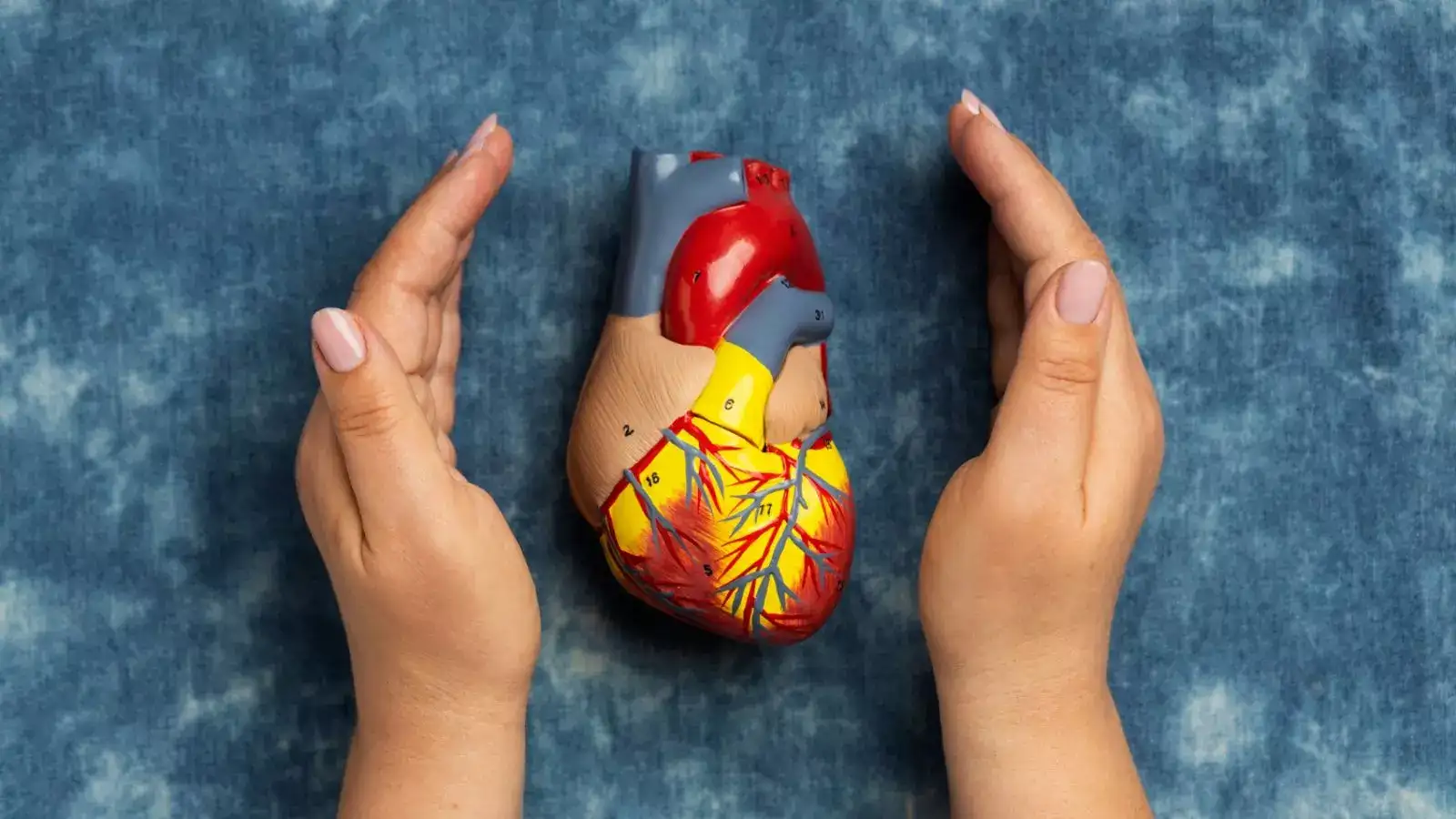
Dietary Changes: One of the most impactful ways to lower bad cholesterol is by making dietary modifications. Incorporating foods rich in soluble fiber, such as oats, beans, fruits, and vegetables, can help reduce LDL cholesterol levels. Additionally, replacing saturated fats with healthier alternatives like olive oil, nuts, and seeds can contribute to better cholesterol management.
Regular Exercise: Engaging in regular physical activity has been shown to improve cholesterol levels. Aerobic exercises like walking, jogging, swimming, or cycling can help raise high-density lipoprotein (HDL) cholesterol, which is beneficial for heart health, while also lowering LDL cholesterol.
Weight Management: Maintaining a healthy weight is essential for overall well-being and can significantly impact cholesterol levels. Excess weight, particularly around the waistline, is associated with higher LDL cholesterol and lower HDL cholesterol. By adopting a balanced diet and incorporating regular exercise, it's possible to achieve and maintain a healthy weight, thereby reducing bad cholesterol levels.
Herbal Supplements: Certain herbs and supplements have been found to have cholesterol-lowering properties. For example, garlic, fenugreek, and turmeric are believed to have beneficial effects on cholesterol levels. However, it's important to consult with a healthcare professional before incorporating any new supplements into your routine, especially if you're already taking medication.
Omega-3 Fatty Acids: Found in fatty fish like salmon, mackerel, and sardines, as well as in flaxseeds and walnuts, omega-3 fatty acids are known for their heart-healthy benefits. They can help reduce triglycerides and lower LDL cholesterol levels, thereby reducing the risk of cardiovascular diseases.
Limiting Sugar and Refined Carbohydrates: High intake of sugar and refined carbohydrates can contribute to elevated triglyceride levels and lower HDL cholesterol. By reducing consumption of sugary foods and beverages, as well as refined grains like white bread and pasta, it's possible to improve overall cholesterol profiles.
Stress Management: Chronic stress can have detrimental effects on cholesterol levels and heart health. Practices such as meditation, deep breathing exercises, yoga, and mindfulness can help lower stress levels and promote better cholesterol management.
In conclusion, incorporating these natural approaches into your lifestyle can have a significant impact on lowering bad cholesterol levels and improving overall heart health. However, it's essential to remember that individual responses may vary, and it's always advisable to consult with a healthcare professional before making significant changes to your diet or lifestyle, especially if you have existing medical conditions or are taking medication. By harnessing the power of nature, you can take proactive steps towards a healthier heart and a better quality of life.
Dietary Changes: One of the most impactful ways to lower bad cholesterol is by making dietary modifications. Incorporating foods rich in soluble fiber, such as oats, beans, fruits, and vegetables, can help reduce LDL cholesterol levels. Additionally, replacing saturated fats with healthier alternatives like olive oil, nuts, and seeds can contribute to better cholesterol management.
Regular Exercise: Engaging in regular physical activity has been shown to improve cholesterol levels. Aerobic exercises like walking, jogging, swimming, or cycling can help raise high-density lipoprotein (HDL) cholesterol, which is beneficial for heart health, while also lowering LDL cholesterol.
You may also like
- Why are banks closed on Monday, September 21? What is the reason for the holiday? Check the latest updates before heading out.
- NPS Health: Withdraw Up to 25% for Treatment, Insurance Cover Until Age 85
- Frequent Headaches Are Not Normal: Key Triggers You Should Know
- Five Signs Your Body May Lack Vitamin D
- Jagga Singh shifted to Patiala hospital after ingesting poison over drug issue
Weight Management: Maintaining a healthy weight is essential for overall well-being and can significantly impact cholesterol levels. Excess weight, particularly around the waistline, is associated with higher LDL cholesterol and lower HDL cholesterol. By adopting a balanced diet and incorporating regular exercise, it's possible to achieve and maintain a healthy weight, thereby reducing bad cholesterol levels.
Herbal Supplements: Certain herbs and supplements have been found to have cholesterol-lowering properties. For example, garlic, fenugreek, and turmeric are believed to have beneficial effects on cholesterol levels. However, it's important to consult with a healthcare professional before incorporating any new supplements into your routine, especially if you're already taking medication.
Omega-3 Fatty Acids: Found in fatty fish like salmon, mackerel, and sardines, as well as in flaxseeds and walnuts, omega-3 fatty acids are known for their heart-healthy benefits. They can help reduce triglycerides and lower LDL cholesterol levels, thereby reducing the risk of cardiovascular diseases.
Limiting Sugar and Refined Carbohydrates: High intake of sugar and refined carbohydrates can contribute to elevated triglyceride levels and lower HDL cholesterol. By reducing consumption of sugary foods and beverages, as well as refined grains like white bread and pasta, it's possible to improve overall cholesterol profiles.
Stress Management: Chronic stress can have detrimental effects on cholesterol levels and heart health. Practices such as meditation, deep breathing exercises, yoga, and mindfulness can help lower stress levels and promote better cholesterol management.
In conclusion, incorporating these natural approaches into your lifestyle can have a significant impact on lowering bad cholesterol levels and improving overall heart health. However, it's essential to remember that individual responses may vary, and it's always advisable to consult with a healthcare professional before making significant changes to your diet or lifestyle, especially if you have existing medical conditions or are taking medication. By harnessing the power of nature, you can take proactive steps towards a healthier heart and a better quality of life.






Loving Newspoint? Download the app now
