
Navratri 2026 Fasting Guide: What To Eat And Avoid During The Nine-Day Vrat

Navratri fasting is observed by many devotees as they mark the nine-day festival with prayer, reflection and dietary restraint. The foods chosen during this period often differ from everyday meals, with grains and several common ingredients left off the plate.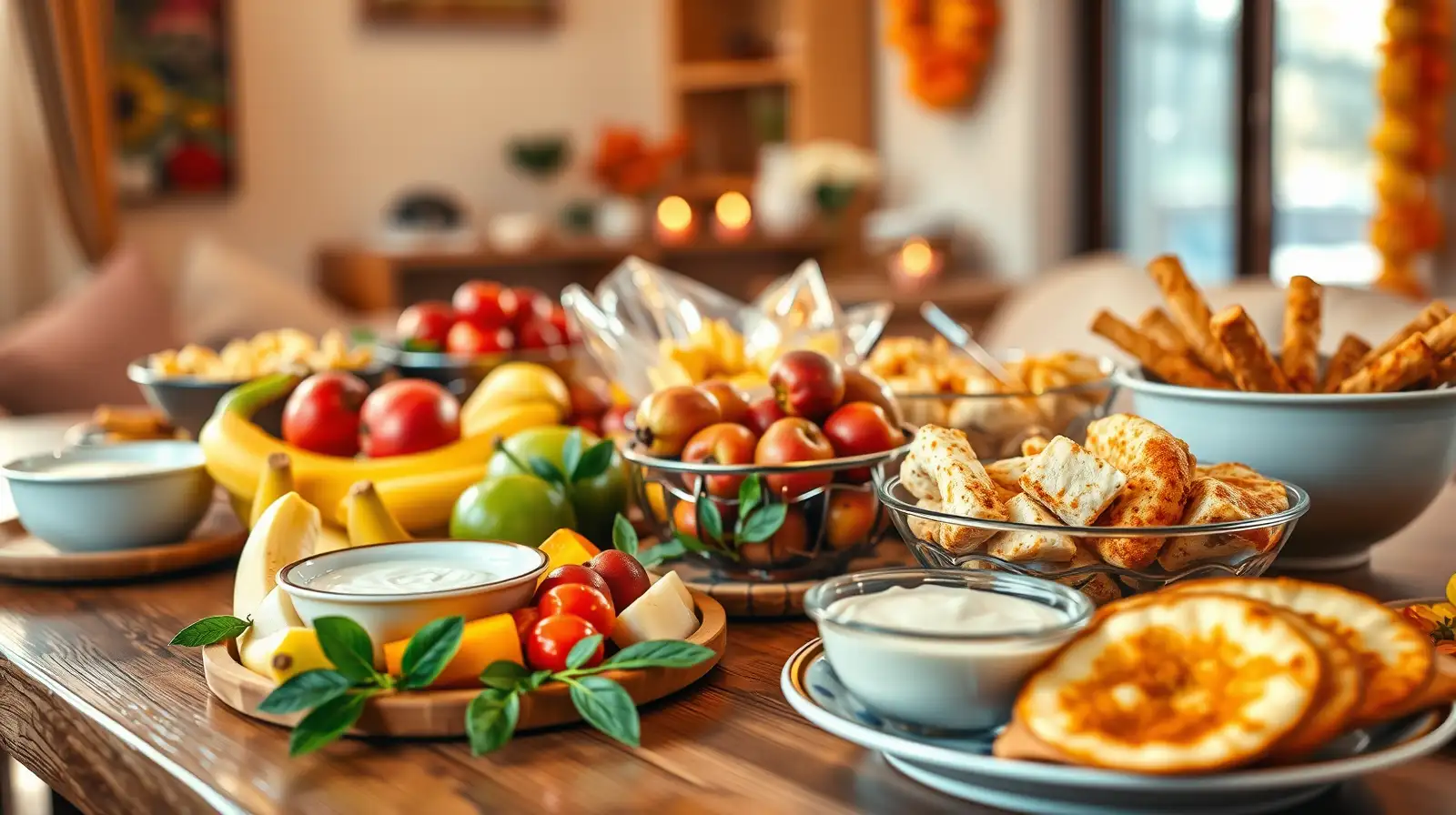
For those observing a vrat, planning meals in advance can make the routine easier to follow. Fresh fruits, dairy products, nuts and vrat-friendly staples can provide variety, while adequate fluids remain important. However, fasting customs vary between households and regions, so people should carefully follow the rules they personally observe rather than assuming every food is universally permitted.
Instead of regular cereals, devotees often choose ingredients such as buckwheat (kuttu), amaranth (rajgira), water chestnut flour (singhara atta) and barnyard millet (sama rice). Sabudana is another popular option and can be prepared as khichdi, pancakes or lightly cooked with peanuts.
Meals do not have to be elaborate. A bowl of fruit with curd, roasted makhana, a simple sabudana dish or kuttu roti with a suitable vegetable can offer variety across the nine days. According to nutrition experts, combining different permitted foods can also make it easier to maintain a balanced intake.
Packaged vrat snacks can be tempting, but they may contain excess salt, sugar or fat. Fried foods such as repeated servings of puris, pakoras and chips can also make meals heavier. Industry watchers note that the word 'fasting' should not automatically mean eating unlimited fried or sweet foods.
Portion control matters too. Eating large quantities of calorie-dense foods simply because they are vrat-friendly can leave you feeling sluggish. Anyone with a medical condition, who is pregnant, elderly, taking regular medication or prone to low blood sugar should seek appropriate medical advice before undertaking prolonged fasting.
For those observing a vrat, planning meals in advance can make the routine easier to follow. Fresh fruits, dairy products, nuts and vrat-friendly staples can provide variety, while adequate fluids remain important. However, fasting customs vary between households and regions, so people should carefully follow the rules they personally observe rather than assuming every food is universally permitted.
What can you eat during Navratri fasting?
A typical Navratri fasting diet may include fruits, milk, curd, buttermilk, nuts and seeds. Potatoes, sweet potatoes, pumpkin and other vrat-friendly vegetables are also commonly used. For many households, rock salt or sendha namak replaces ordinary table salt.Instead of regular cereals, devotees often choose ingredients such as buckwheat (kuttu), amaranth (rajgira), water chestnut flour (singhara atta) and barnyard millet (sama rice). Sabudana is another popular option and can be prepared as khichdi, pancakes or lightly cooked with peanuts.
Meals do not have to be elaborate. A bowl of fruit with curd, roasted makhana, a simple sabudana dish or kuttu roti with a suitable vegetable can offer variety across the nine days. According to nutrition experts, combining different permitted foods can also make it easier to maintain a balanced intake.
Foods to avoid during the vrat
Wheat, rice, regular flour, pulses and many other grains are generally excluded from a traditional Navratri vrat. Several devotees also avoid onion and garlic, along with meat, fish and eggs. Alcohol and tobacco are likewise not considered compatible with customary fasting practices.Packaged vrat snacks can be tempting, but they may contain excess salt, sugar or fat. Fried foods such as repeated servings of puris, pakoras and chips can also make meals heavier. Industry watchers note that the word 'fasting' should not automatically mean eating unlimited fried or sweet foods.
Keep hydration and portions in mind
Water should not be overlooked during Navratri. Depending on individual fasting rules, people may also have coconut water, milk or other permitted fluids. Those following a stricter fast should follow their established family or religious practice.Portion control matters too. Eating large quantities of calorie-dense foods simply because they are vrat-friendly can leave you feeling sluggish. Anyone with a medical condition, who is pregnant, elderly, taking regular medication or prone to low blood sugar should seek appropriate medical advice before undertaking prolonged fasting.
Next Story