
Sabudana, Singhara and More: Are Navratri Fasting Foods Harming Your Health?

Navratri fasting is often associated with discipline, detox, and spiritual focus. Yet, the reality on many plates tells a different story: carb-heavy, fried foods dominate, offering fleeting energy and minimal nutrition. The issue is not the ingredients themselves—sabudana, singhara, and rajgira but how they are prepared and consumed.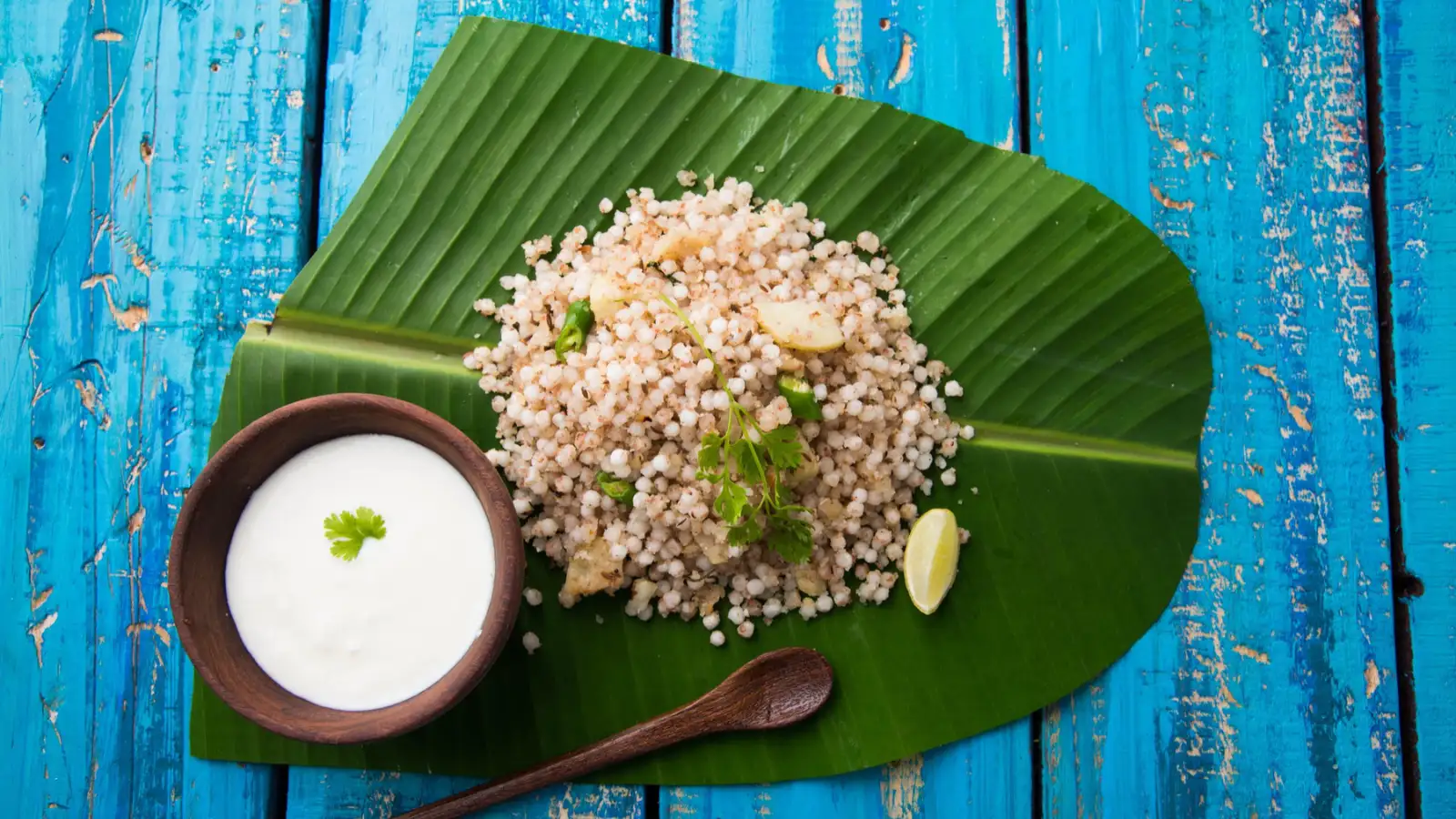
Sabudana: A Starchy Staple
Sabudana, or tapioca pearls, are a fasting favourite. While versatile, they are primarily pure starch with almost no fibre or protein, causing rapid blood sugar spikes. Sabudana khichdi can work nutritionally when peanuts are added, as the fat and protein help slow glucose absorption. However, fried versions, like sabudana vadas, turn this once-balancing food into a calorie-dense option with limited nutritional value.
Singhara: The Underrated Power Food
Singhara, or water chestnut, is often overlooked but packs potassium, B vitamins, and antioxidants. Singhara flour can be used to make cheelas or pancakes, offering a more stable and nourishing alternative to starch-heavy meals. Unlike sabudana, singhara provides minerals that support energy and overall health, making it an ideal fasting food for sustained vitality.
Read More: Chaitra Navratri 2026 Fasting Rules: Complete Guide to Do’s, Don’ts, Diet & Rituals
Rajgira: Protein-Rich Superfood
Rajgira, or amaranth, stands out as a complete protein, rich in iron and calcium. Especially for women fasting over nine days, rajgira supplies essential nutrients that help maintain energy and bone strength. Unlike starchy sabudana, rajgira ensures a balanced nutritional profile that supports long fasting periods without energy crashes.
Building a Balanced Fasting Plate
The key to healthy Navratri fasting lies in variety and moderation. Ingredients like makhana, sama rice, fresh fruits, and nuts provide fibre, micronutrients, and hydration. Thoughtful combinations of these foods transform fasting from a restrictive routine into a genuinely restorative experience.
Where Fasting Goes Wrong
Fried foods, repeated starch-heavy meals, and long gaps between eating can lead to energy dips, digestive discomfort, and sugar crashes. Fasting doesn’t need to be an indulgence; it should be intentional. By focusing on balance, portion control, and smarter cooking methods, Navratri fasting can nourish both body and mind, making it a holistic experience rather than just a spiritual ritual.
Sabudana: A Starchy Staple
Sabudana, or tapioca pearls, are a fasting favourite. While versatile, they are primarily pure starch with almost no fibre or protein, causing rapid blood sugar spikes. Sabudana khichdi can work nutritionally when peanuts are added, as the fat and protein help slow glucose absorption. However, fried versions, like sabudana vadas, turn this once-balancing food into a calorie-dense option with limited nutritional value. Singhara: The Underrated Power Food
Singhara, or water chestnut, is often overlooked but packs potassium, B vitamins, and antioxidants. Singhara flour can be used to make cheelas or pancakes, offering a more stable and nourishing alternative to starch-heavy meals. Unlike sabudana, singhara provides minerals that support energy and overall health, making it an ideal fasting food for sustained vitality.Read More: Chaitra Navratri 2026 Fasting Rules: Complete Guide to Do’s, Don’ts, Diet & Rituals
Rajgira: Protein-Rich Superfood
Rajgira, or amaranth, stands out as a complete protein, rich in iron and calcium. Especially for women fasting over nine days, rajgira supplies essential nutrients that help maintain energy and bone strength. Unlike starchy sabudana, rajgira ensures a balanced nutritional profile that supports long fasting periods without energy crashes.Building a Balanced Fasting Plate
The key to healthy Navratri fasting lies in variety and moderation. Ingredients like makhana, sama rice, fresh fruits, and nuts provide fibre, micronutrients, and hydration. Thoughtful combinations of these foods transform fasting from a restrictive routine into a genuinely restorative experience. Where Fasting Goes Wrong
Fried foods, repeated starch-heavy meals, and long gaps between eating can lead to energy dips, digestive discomfort, and sugar crashes. Fasting doesn’t need to be an indulgence; it should be intentional. By focusing on balance, portion control, and smarter cooking methods, Navratri fasting can nourish both body and mind, making it a holistic experience rather than just a spiritual ritual. Next Story