
Neelakurinji bloom draws crowds in Munnar


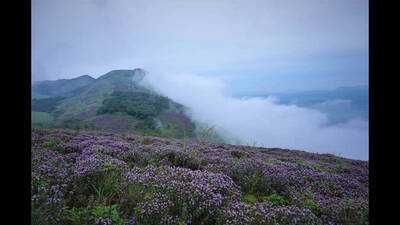
The once-in-12-years neelakurinji bloom is drawing massive crowds to Munnar, with Chokramudi and other parts of the hill region are covered in the seasonal flowers. The Forest and Wildlife Department, which oversees Chokramudi, is letting visitors trek through the hills to view the flowers. Fuelled by reels and photoshoots on social media, the spot is seeing huge daily footfall.
Demand pushes small-group trips
Despite early concerns over crowding, travel firms are organising small-group trips to Chokramudi. "We give them all the information regarding the possible difficulties in reaching the spots and how to prepare for the trek," says co-founder Najina of She Goes Travel Buddies. She adds that flower blooms typically pull in visitors. "People love seeing the places directly and taking photos with the background. It's a bit hard to do it with neelakurinji, but there is still a large turnout," she says.
Tougher than it looks on Instagram
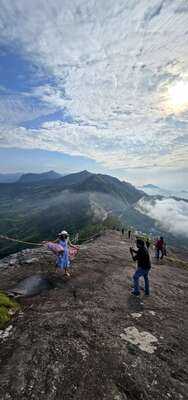
Chokramudi is harder to navigate than social media photos suggest. Isha, a Kollam native who recently trekked up, says the terrain is vast and slippery, and especially challenging with children. "We climbed around 11 am, which turned out to be hard. It was very hot. The ideal time is early morning or afternoon," she says.
Karthik Raj, guide with Go Wild India, agrees. "It's the third largest peak in South India, so it's not an easy trek for people with health issues. But the flowers start from 250 to 300 metres," he says. "We urge people not to bring plastic. Some evade guides and go straight into the blooms — we urge them to follow the regulations."
 Korandakadu , the easier option
Korandakadu is another spot with considerable bloom. Vlogger Sreesanth Palakkal, who visited recently, says the flower patch is 1.5km from the starting point, with drinking water along the way. "There's quite a bit of sunlight during the day, so I'd suggest morning or evening visits. Korandakadu felt relatively comfortable, especially for families with children," he says.
Managing the rush
A Forest Department official says efforts are on to manage the crowds. "The biggest blooming spot is Arupathekkar Shola, but there's no entry there. It's near Chokramudi, closely followed by Korandikadu. Kolukkumala and Meeshapullimala also have smaller blooms, but many of these don't allow visitors. Since it's a rare occasion, we are trying to ensure a good experience," the official says.
Footfall spikes sharply during weekends, he shares. "If there are around 1,200 visitors on regular days, on weekends, it's 3,000-3,500. Chokramudi alone has earned around ₹1 crore through neelakurinji tourism revenue," the official adds.
Room for better visitor management
Tour operators like Sreeja Janaki Vipin of Le Floral Travels say most visitors are teenagers, bikers and budget travellers, and senior citizens and families often hesitate taking a trip due to limited awareness of facilities. "Concerns about crowding, traffic, accessibility and overall planning discourage them. Better awareness of the measures in place would help boost numbers," she says.
 What not to do
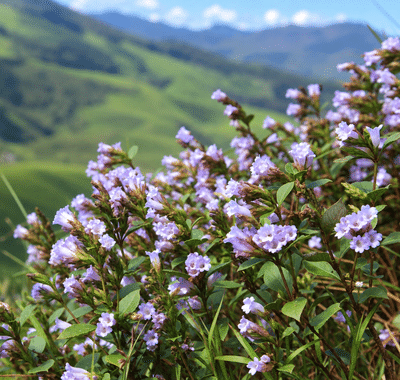
Do not pluck the flowers. Violators may face penalties. Two cases have so far been registered for plucking neelakurinji flowers. Under the Wild Life (Protection) Act, 1972, violations can attract up to three years' imprisonment and a fine of up to ₹25,000.
Don't carry plastic.
Planning a visit?
Expect a trek, slippery stretches and strong sun. Start early or go later in the day, and carry water and proper footwear.
Tickets cost ₹100-₹200.
The next big bloom
Munnar will turn blue again in 2030, informs a forest official. "This time, the blooms were on the right side of the Muthirapuzha River — humid, with high temperatures at times. Next time, they'll be on the other side, toward Mattupetty-Rajamala. It'll be colder there," he says.
Demand pushes small-group trips
Despite early concerns over crowding, travel firms are organising small-group trips to Chokramudi. "We give them all the information regarding the possible difficulties in reaching the spots and how to prepare for the trek," says co-founder Najina of She Goes Travel Buddies. She adds that flower blooms typically pull in visitors. "People love seeing the places directly and taking photos with the background. It's a bit hard to do it with neelakurinji, but there is still a large turnout," she says.
Tougher than it looks on Instagram
Chokramudi is harder to navigate than social media photos suggest. Isha, a Kollam native who recently trekked up, says the terrain is vast and slippery, and especially challenging with children. "We climbed around 11 am, which turned out to be hard. It was very hot. The ideal time is early morning or afternoon," she says.
Karthik Raj, guide with Go Wild India, agrees. "It's the third largest peak in South India, so it's not an easy trek for people with health issues. But the flowers start from 250 to 300 metres," he says. "We urge people not to bring plastic. Some evade guides and go straight into the blooms — we urge them to follow the regulations."
Korandakadu is another spot with considerable bloom. Vlogger Sreesanth Palakkal, who visited recently, says the flower patch is 1.5km from the starting point, with drinking water along the way. "There's quite a bit of sunlight during the day, so I'd suggest morning or evening visits. Korandakadu felt relatively comfortable, especially for families with children," he says.
Managing the rush
A Forest Department official says efforts are on to manage the crowds. "The biggest blooming spot is Arupathekkar Shola, but there's no entry there. It's near Chokramudi, closely followed by Korandikadu. Kolukkumala and Meeshapullimala also have smaller blooms, but many of these don't allow visitors. Since it's a rare occasion, we are trying to ensure a good experience," the official says.
Footfall spikes sharply during weekends, he shares. "If there are around 1,200 visitors on regular days, on weekends, it's 3,000-3,500. Chokramudi alone has earned around ₹1 crore through neelakurinji tourism revenue," the official adds.
Room for better visitor management
Tour operators like Sreeja Janaki Vipin of Le Floral Travels say most visitors are teenagers, bikers and budget travellers, and senior citizens and families often hesitate taking a trip due to limited awareness of facilities. "Concerns about crowding, traffic, accessibility and overall planning discourage them. Better awareness of the measures in place would help boost numbers," she says.
Do not pluck the flowers. Violators may face penalties. Two cases have so far been registered for plucking neelakurinji flowers. Under the Wild Life (Protection) Act, 1972, violations can attract up to three years' imprisonment and a fine of up to ₹25,000.
Don't carry plastic.
Planning a visit?
Expect a trek, slippery stretches and strong sun. Start early or go later in the day, and carry water and proper footwear.
Tickets cost ₹100-₹200.
The next big bloom
Munnar will turn blue again in 2030, informs a forest official. "This time, the blooms were on the right side of the Muthirapuzha River — humid, with high temperatures at times. Next time, they'll be on the other side, toward Mattupetty-Rajamala. It'll be colder there," he says.
Next Story