
Why Is New Zealand a Popular Destination for Nature and Adventure Tourism?

New Zealand has earned a reputation as one of the world's most attractive destinations for nature lovers and adventure enthusiasts. Located in the southwestern Pacific Ocean, the country offers a remarkable variety of landscapes, including snow-covered mountains, turquoise lakes, green valleys, glaciers and dramatic coastlines. Its natural beauty is matched by a wide range of outdoor activities, from peaceful hiking trails to adrenaline-filled experiences such as bungee jumping and skydiving. Whether travellers want to explore remote wilderness areas or enjoy exciting outdoor challenges, New Zealand offers experiences for different interests and travel styles.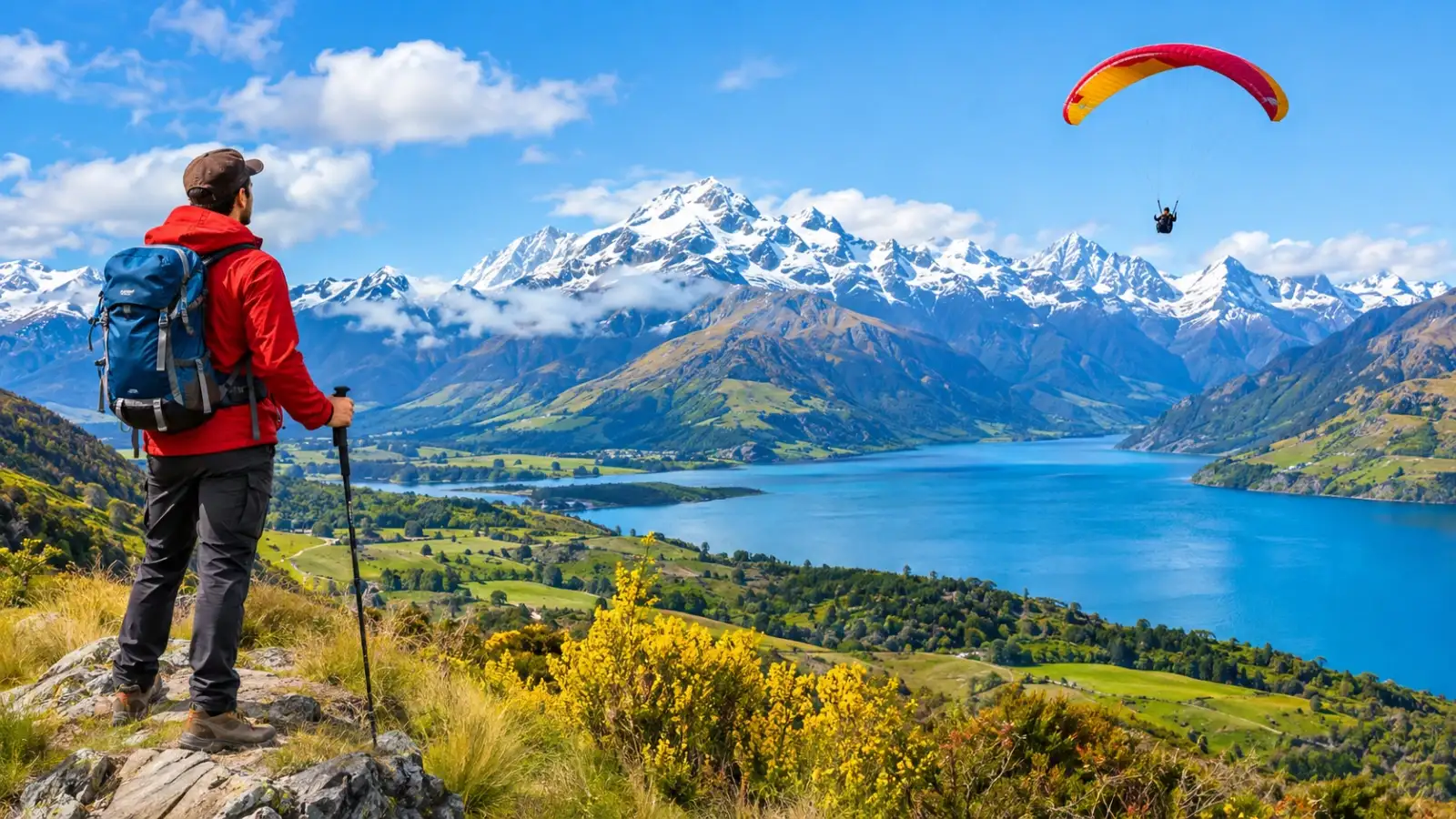
The Southern Alps dominate much of the South Island, while the North Island is known for volcanic areas, geothermal attractions and green countryside. This variety allows visitors to experience several different landscapes during a single trip.
Some well-known experiences include:
Popular experiences include bungee jumping, skydiving, jet boating, white-water rafting and paragliding. Rotorua also offers activities such as mountain biking and ziplining.
Professional operators generally provide equipment and safety briefings, but travellers should check activity requirements, weather conditions and operator credentials before participating.
Milford Sound and Doubtful Sound are particularly impressive, with steep cliffs, waterfalls and forest-covered mountains surrounding deep waterways. Boat cruises provide a popular way to experience these landscapes.
Visitors can also learn about native birds, marine mammals and conservation programmes through protected habitats and wildlife centres. Responsible wildlife tourism allows travellers to observe animals while respecting their natural behaviour and surroundings.
Tongariro National Park combines volcanic landscapes with hiking opportunities and cultural significance. These protected areas offer walking tracks, scenic viewpoints and opportunities for nature photography.
Wai-O-Tapu Thermal Wonderland features colourful mineral pools and unusual geothermal formations. The Taupō Volcanic Zone also includes volcanic landscapes and geothermal attractions that reveal the country's geological activity.
Visitors should remain on marked paths and follow safety instructions around geothermal sites, as some areas contain extremely hot water and unstable ground.
Travellers can explore the South Island's alpine roads, drive along the West Coast or enjoy coastal routes in the North Island. Scenic stops, walking trails and small towns make these journeys an important part of the travel experience.
Drivers should check road conditions, allow sufficient travel time and understand local driving rules before setting out.
New Zealand's popularity as a nature and adventure destination comes from its extraordinary landscapes, well-known walking trails, wildlife experiences and exciting outdoor activities. From the fjords of Fiordland to the geothermal attractions of Rotorua and adventure sports in Queenstown, the country offers a wide variety of experiences. Its protected natural areas and scenic road journeys make it appealing to travellers who want to explore the outdoors. With suitable planning and respect for local safety guidelines, New Zealand can offer a memorable travel experience.
1. Extraordinary Natural Landscapes
One of New Zealand's biggest attractions is its diverse natural scenery. The country features mountains, forests, beaches, volcanic landscapes, lakes and fjords within relatively accessible travel regions.The Southern Alps dominate much of the South Island, while the North Island is known for volcanic areas, geothermal attractions and green countryside. This variety allows visitors to experience several different landscapes during a single trip.
2. A Paradise for Hiking and Trekking
New Zealand is particularly popular among hiking enthusiasts because of its extensive network of walking tracks. The country offers routes ranging from short nature walks to challenging multi-day treks.Some well-known experiences include:
- Milford Track, known for its waterfalls and mountain scenery.
- Routeburn Track, featuring alpine landscapes and valleys.
- Tongariro Alpine Crossing, famous for volcanic terrain.
- Abel Tasman Coast Track, offering coastal views and beaches.
3. Adventure Sports and Adrenaline Activities
New Zealand is internationally recognised for adventure tourism. Queenstown, often described as the adventure capital of the country, attracts visitors interested in high-energy outdoor activities.Popular experiences include bungee jumping, skydiving, jet boating, white-water rafting and paragliding. Rotorua also offers activities such as mountain biking and ziplining.
Professional operators generally provide equipment and safety briefings, but travellers should check activity requirements, weather conditions and operator credentials before participating.
4. Stunning Lakes and Fjords
The country's lakes and fjords are among its most photographed natural attractions. Lake Tekapo is famous for its striking blue water and mountain backdrop, while Lake Wakatipu offers beautiful views around Queenstown.Milford Sound and Doubtful Sound are particularly impressive, with steep cliffs, waterfalls and forest-covered mountains surrounding deep waterways. Boat cruises provide a popular way to experience these landscapes.
5. Unique Wildlife and Natural Habitats
New Zealand has a distinctive natural environment with several species found nowhere else in the world. The kiwi, a flightless native bird, is one of the country's best-known wildlife symbols.Visitors can also learn about native birds, marine mammals and conservation programmes through protected habitats and wildlife centres. Responsible wildlife tourism allows travellers to observe animals while respecting their natural behaviour and surroundings.
6. Beautiful National Parks and Conservation Areas
New Zealand's national parks protect some of its most remarkable landscapes. Fiordland National Park is known for its mountains, forests and fjords, while Aoraki/Mount Cook National Park attracts visitors with its alpine scenery and glacier views.You may also like
- Psychology says people who smell a book before reading it may have a stronger emotional connection to familiar scents
- Chhath Puja Tradition: 5 Sacred Items Women Pass Down Through Generations as Symbols of Faith
- Why Is Tulsi Never Offered to Lord Shiva? The Hidden Story
- Nail Matrix Damage: Why the Evidence Shows Up Months Later
- Nail Pitting and Onycholysis: What Your Nails Are Signalling
Tongariro National Park combines volcanic landscapes with hiking opportunities and cultural significance. These protected areas offer walking tracks, scenic viewpoints and opportunities for nature photography.
7. Geothermal Wonders and Volcanic Landscapes
The North Island offers a different kind of natural attraction through its geothermal regions. Rotorua is particularly well known for bubbling mud pools, hot springs and steaming geothermal areas.Wai-O-Tapu Thermal Wonderland features colourful mineral pools and unusual geothermal formations. The Taupō Volcanic Zone also includes volcanic landscapes and geothermal attractions that reveal the country's geological activity.
Visitors should remain on marked paths and follow safety instructions around geothermal sites, as some areas contain extremely hot water and unstable ground.
8. Scenic Road Trips and Outdoor Exploration
New Zealand is an excellent destination for road trips because many routes pass through mountains, lakes, coastlines and peaceful countryside.Travellers can explore the South Island's alpine roads, drive along the West Coast or enjoy coastal routes in the North Island. Scenic stops, walking trails and small towns make these journeys an important part of the travel experience.
Drivers should check road conditions, allow sufficient travel time and understand local driving rules before setting out.
Best Time to Visit New Zealand for Nature and Adventure Tourism
New Zealand's seasons are opposite to those in India and other Northern Hemisphere countries.- December to February: Summer brings warmer weather and is popular for hiking, beaches and outdoor activities.
- March to May: Autumn offers changing foliage and generally comfortable conditions for exploring.
- June to August: Winter is suitable for skiing and snow-based activities in selected mountain regions.
- September to November: Spring brings fresh greenery, blooming flowers and seasonal changes in the landscape.
New Zealand's popularity as a nature and adventure destination comes from its extraordinary landscapes, well-known walking trails, wildlife experiences and exciting outdoor activities. From the fjords of Fiordland to the geothermal attractions of Rotorua and adventure sports in Queenstown, the country offers a wide variety of experiences. Its protected natural areas and scenic road journeys make it appealing to travellers who want to explore the outdoors. With suitable planning and respect for local safety guidelines, New Zealand can offer a memorable travel experience.






Loving Newspoint? Download the app now
