
No Buy Year Trend: Why People Are Choosing Mindful Consumption Over Impulse Shopping

From fashion and beauty products to home accessories and electronic gadgets, shopping has become an everyday habit for many people. However, constant purchasing can lead to overflowing wardrobes, unused belongings and unnecessary spending. This has encouraged growing interest in mindful consumption , where people think more carefully before making a purchase. Movements such as the No Buy Year challenge and the increasing popularity of second-hand shopping reflect a shift towards buying less and using existing possessions for longer. Instead of chasing every new trend, consumers are beginning to prioritise durability, practicality and a more organised lifestyle.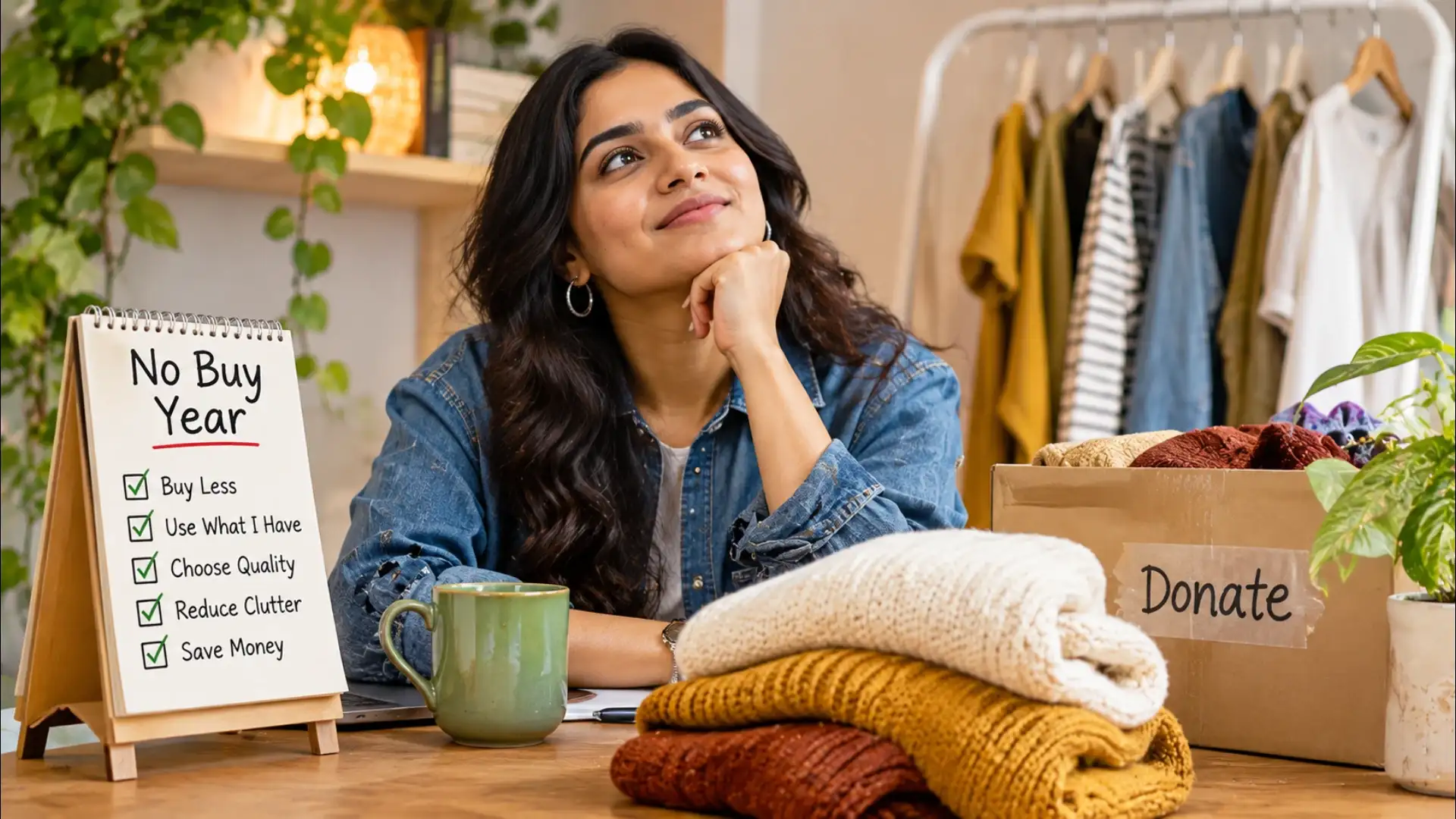
For example, someone might stop purchasing new clothes, skincare products, accessories or home décor unless an existing item needs replacing. Essential expenses such as groceries, medicines and necessary household supplies are generally excluded.
The objective is not simply to save money. It is also about recognising shopping triggers, reducing impulse purchases and developing healthier spending habits.
People are increasingly questioning whether they genuinely need something or are simply responding to advertising, social media trends or temporary excitement.
Choosing fewer but better-quality products can also encourage longer-term use and reduce the frequency of replacements.
Clothing, furniture, books, electronics and accessories are among the categories commonly found in resale markets.
This approach helps extend the useful life of products and can reduce demand for newly manufactured items. However, buying second-hand is most beneficial when it replaces unnecessary new purchases rather than encouraging additional shopping.
What Is the No Buy Year Movement?
The No Buy Year movement encourages people to avoid purchasing non-essential items for an extended period, often an entire year. Instead of shopping whenever something catches their attention, participants establish personal rules about what they can and cannot buy.For example, someone might stop purchasing new clothes, skincare products, accessories or home décor unless an existing item needs replacing. Essential expenses such as groceries, medicines and necessary household supplies are generally excluded.
The objective is not simply to save money. It is also about recognising shopping triggers, reducing impulse purchases and developing healthier spending habits.
Why Are People Choosing to Buy Less?
One reason behind mindful consumption is clutter fatigue. Having too many belongings can make wardrobes, cupboards and living spaces difficult to organise. Unused purchases may also create a feeling of unnecessary financial and mental pressure.You may also like
- Why did the issue of sleeping hours on trains (10 PM to 6 AM) reach the High Court?
- Scared of Steroid Creams? What Eczema Patients Need to Know
- Rs 150 coffee, hours of laptop work: Bengaluru cafe owner asks how to stop customers from occupying tables all day and losing business
- Are You Using Enough Moisturiser? The Common Mistake That Affects Your Skin
- No official charges on UPI, yet extra fees are being demanded from vendors – Survey
People are increasingly questioning whether they genuinely need something or are simply responding to advertising, social media trends or temporary excitement.
Choosing fewer but better-quality products can also encourage longer-term use and reduce the frequency of replacements.
How Resale Platforms Are Supporting the Circular Economy
Second-hand shopping and resale programmes are becoming important parts of the circular economy. Instead of throwing away products that are still usable, people can sell, exchange, repair or purchase pre-owned items.Clothing, furniture, books, electronics and accessories are among the categories commonly found in resale markets.
This approach helps extend the useful life of products and can reduce demand for newly manufactured items. However, buying second-hand is most beneficial when it replaces unnecessary new purchases rather than encouraging additional shopping.
5 Practical Ways to Practise Mindful Consumption
- Follow a waiting rule: Wait 24 to 48 hours before purchasing non-essential products.
- Create a shopping list: Buy according to actual requirements instead of browsing without a purpose.
- Choose durability: Compare product quality, repairability and expected lifespan before spending.
- Explore pre-owned options: Consider resale platforms, thrift stores and exchanges.
- Declutter responsibly: Donate, repair, sell or recycle items instead of immediately discarding them.






Loving Newspoint? Download the app now
