
Nocturnal Animals: 10 Amazing Creatures That Wake Up When the Sun Goes Down

Nocturnal animals live their most active lives after the sun sets. While humans rest at night, many species begin hunting, exploring and searching for food in the darkness. The night may appear calm to us, but in nature it is full of movement. From silent hunters to clever climbers, these animals have developed remarkable abilities to survive and thrive in low light.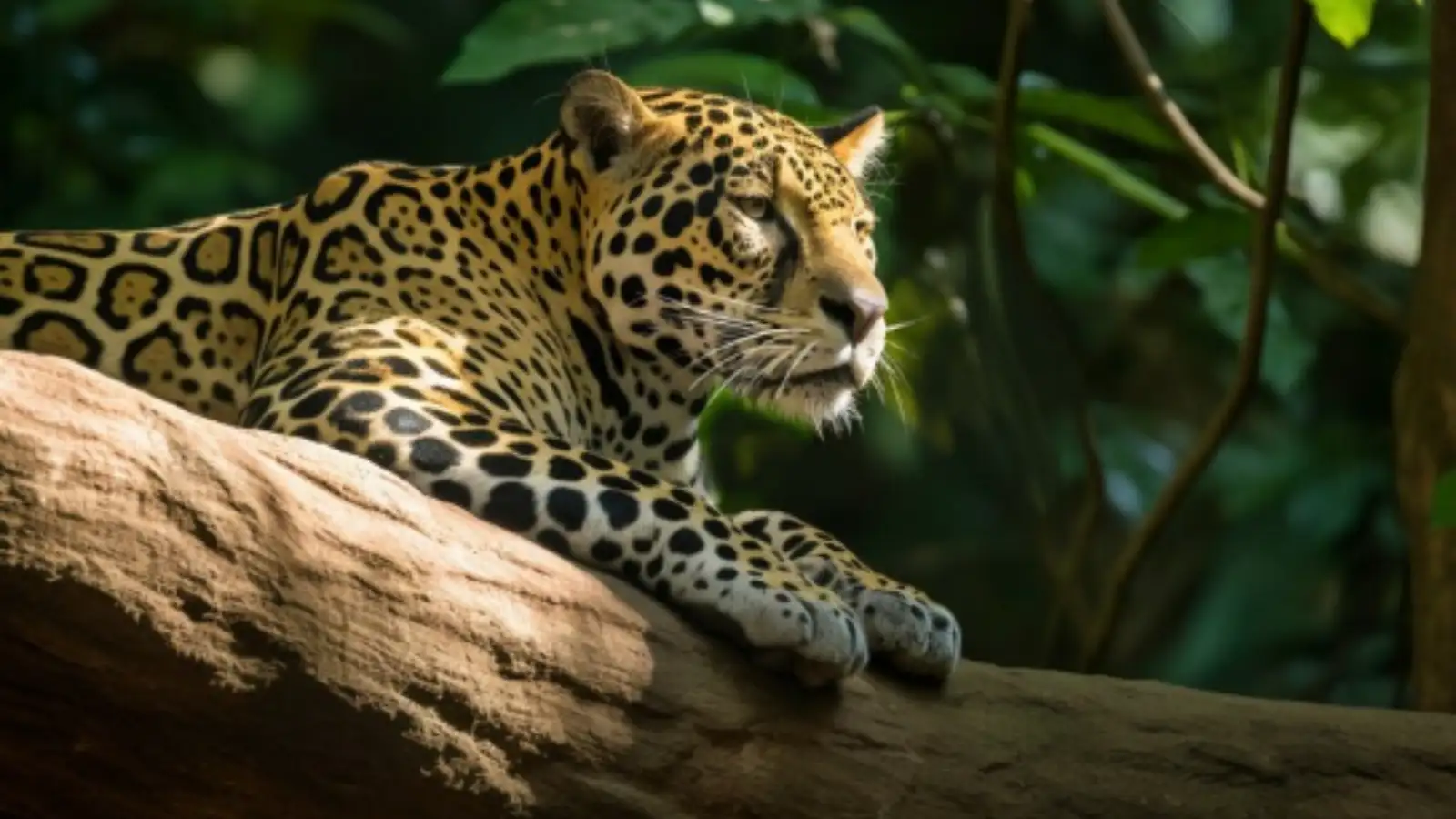
Why Some Animals Are Active At Night
Many animals have evolved to become nocturnal for survival and comfort. The night provides several advantages that make it ideal for certain species.
To adapt to this lifestyle, nocturnal animals often develop large eyes, strong hearing and a powerful sense of smell, allowing them to navigate and hunt efficiently in darkness.
Owl: The Silent Night Hunter
Owls are among the most iconic nocturnal animals. With their large eyes and exceptional night vision, they can detect even the smallest movement in near darkness.
Their feathers are specially structured to allow almost silent flight, enabling them to approach prey unnoticed. Owls mainly hunt rodents, insects and small birds, using their sharp talons and powerful beaks to capture food quickly.
Bat: The Flying Navigator
Bats are the only mammals capable of true flight. Instead of relying solely on sight, they use an advanced navigation system called echolocation.
By producing high-pitched sounds and listening to the echoes that bounce back, bats can determine the size, distance and direction of objects around them. This ability allows them to move through complete darkness while catching insects in mid-air.
Raccoon: The Clever Night Forager
Raccoons are known for their intelligence and curiosity. Their distinctive mask-like face and nimble front paws help them explore and search for food during the night.
These animals are omnivores, meaning they eat a wide variety of foods including fruits, insects, eggs and small animals. Their adaptability allows them to survive in forests as well as urban areas, where they often roam quietly after dark.
Leopard: The Stealthy Predator
Leopards are powerful big cats that frequently hunt at night. Their spotted coats blend perfectly with shadows and vegetation, helping them stay hidden from prey.
They possess excellent night vision and silent movement, allowing them to stalk animals carefully before launching a sudden attack. Despite their strength, leopards usually live alone and prefer to avoid human interaction.
Hyena: The Strong Night Survivor
Hyenas are often recognised by their unusual calls that resemble laughter. Many species are highly active during the night when they search across large areas for food.
With incredibly strong jaws capable of crushing bones, hyenas can consume parts of prey that other predators cannot. Although they are known as scavengers, they are also skilled hunters with sharp senses of smell and hearing.
Fox: The Intelligent Night Wanderer
Foxes are adaptable animals found in forests, grasslands and even cities. Many fox species are most active during the evening and nighttime.
Their sharp hearing allows them to detect small animals moving beneath grass or snow. With quick and precise movements, foxes can catch prey efficiently during their nightly hunts.
Hedgehog: The Tiny Night Explorer
Hedgehogs spend the day resting in nests made from leaves and grass. Once night falls, they begin searching for food.
These small mammals rely heavily on their strong sense of smell to locate insects, worms and other small creatures. When threatened, hedgehogs curl into a tight ball, using their sharp spines as protection.
Aardvark: The Underground Insect Hunter
Aardvarks are unique mammals that specialise in feeding on ants and termites. They usually leave their burrows after sunset to search for insect nests.
Their long snouts and sticky tongues help them capture insects hidden deep inside mounds. With powerful claws, aardvarks can dig quickly, creating tunnels that also provide shelter for other animals.
Tarsier: The Big-Eyed Primate
Tarsiers are tiny primates found in parts of Southeast Asia. They are famous for their enormous eyes, which are perfectly designed for seeing in dim light.
These agile animals can leap impressive distances between tree branches. Their ability to rotate their heads almost completely around helps them scan their surroundings while hunting insects at night.
Kinkajou: The Rainforest Night Climber
The kinkajou is a tree-dwelling mammal commonly found in tropical forests. With golden fur and large eyes, it resembles a small bear but is closely related to raccoons.
Kinkajous spend their nights climbing through branches in search of fruit and nectar. Their long tail helps them maintain balance while moving among trees.
The Hidden World Of Nocturnal Wildlife
The night may seem quiet to humans, but it is actually full of activity. Nocturnal animals have evolved remarkable features such as enhanced vision, sensitive hearing and silent movement that help them thrive in darkness. These animals play vital roles in ecosystems, from controlling insect populations to pollinating plants.
Why Nocturnal Animals Matter
Studying nocturnal animals helps scientists understand how ecosystems function throughout the day and night. Many plants depend on nighttime pollinators, and many pests are controlled by nocturnal predators. Protecting the habitats of these animals is essential for maintaining the delicate balance of nature.
Nature Never Truly Sleeps
Even when humans go to bed, nature continues its quiet activity. Owls glide through the night sky, bats hunt insects in the air, foxes explore open fields and tiny creatures search for food beneath leaves and soil.
The world of nocturnal animals reminds us that life on Earth never truly stops - it simply continues under the cover of darkness.
Why Some Animals Are Active At Night
Many animals have evolved to become nocturnal for survival and comfort. The night provides several advantages that make it ideal for certain species.
- Protection from predators: Darkness helps smaller animals stay hidden.
- Cooler temperatures: In warmer regions, night offers relief from daytime heat.
- Better hunting opportunities: Many prey animals are active after sunset.
- Less competition: Fewer animals are active, making it easier to find food.
To adapt to this lifestyle, nocturnal animals often develop large eyes, strong hearing and a powerful sense of smell, allowing them to navigate and hunt efficiently in darkness.
Owl: The Silent Night Hunter
Owls are among the most iconic nocturnal animals. With their large eyes and exceptional night vision, they can detect even the smallest movement in near darkness.
Their feathers are specially structured to allow almost silent flight, enabling them to approach prey unnoticed. Owls mainly hunt rodents, insects and small birds, using their sharp talons and powerful beaks to capture food quickly.
Bat: The Flying Navigator
Bats are the only mammals capable of true flight. Instead of relying solely on sight, they use an advanced navigation system called echolocation.
By producing high-pitched sounds and listening to the echoes that bounce back, bats can determine the size, distance and direction of objects around them. This ability allows them to move through complete darkness while catching insects in mid-air.
Raccoon: The Clever Night Forager
Raccoons are known for their intelligence and curiosity. Their distinctive mask-like face and nimble front paws help them explore and search for food during the night.
These animals are omnivores, meaning they eat a wide variety of foods including fruits, insects, eggs and small animals. Their adaptability allows them to survive in forests as well as urban areas, where they often roam quietly after dark.
Leopard: The Stealthy Predator
Leopards are powerful big cats that frequently hunt at night. Their spotted coats blend perfectly with shadows and vegetation, helping them stay hidden from prey.
They possess excellent night vision and silent movement, allowing them to stalk animals carefully before launching a sudden attack. Despite their strength, leopards usually live alone and prefer to avoid human interaction.
Hyena: The Strong Night Survivor
Hyenas are often recognised by their unusual calls that resemble laughter. Many species are highly active during the night when they search across large areas for food.
With incredibly strong jaws capable of crushing bones, hyenas can consume parts of prey that other predators cannot. Although they are known as scavengers, they are also skilled hunters with sharp senses of smell and hearing.
Fox: The Intelligent Night Wanderer
Foxes are adaptable animals found in forests, grasslands and even cities. Many fox species are most active during the evening and nighttime.
Their sharp hearing allows them to detect small animals moving beneath grass or snow. With quick and precise movements, foxes can catch prey efficiently during their nightly hunts.
Hedgehog: The Tiny Night Explorer
Hedgehogs spend the day resting in nests made from leaves and grass. Once night falls, they begin searching for food.
These small mammals rely heavily on their strong sense of smell to locate insects, worms and other small creatures. When threatened, hedgehogs curl into a tight ball, using their sharp spines as protection.
Aardvark: The Underground Insect Hunter
Aardvarks are unique mammals that specialise in feeding on ants and termites. They usually leave their burrows after sunset to search for insect nests.
Their long snouts and sticky tongues help them capture insects hidden deep inside mounds. With powerful claws, aardvarks can dig quickly, creating tunnels that also provide shelter for other animals.
You may also like
- 3 Powerful Bhagavad Gita Teachings to Overcome Hard Times
- Meet Max Alexander: The 10-year-old taking Paris Fashion Week by storm
- What is 'Shanku Chakram' mehendi design flaunted by Allu Sirish at his wedding with Nayanika Reddy
- WhatsApp Introduces Video Messaging for iPhone Users
- WhatsApp Video Messages on iPhone: How to Record and Send 60-Second Video Replies in Chats
Tarsier: The Big-Eyed Primate
Tarsiers are tiny primates found in parts of Southeast Asia. They are famous for their enormous eyes, which are perfectly designed for seeing in dim light.
These agile animals can leap impressive distances between tree branches. Their ability to rotate their heads almost completely around helps them scan their surroundings while hunting insects at night.
Kinkajou: The Rainforest Night Climber
The kinkajou is a tree-dwelling mammal commonly found in tropical forests. With golden fur and large eyes, it resembles a small bear but is closely related to raccoons.
Kinkajous spend their nights climbing through branches in search of fruit and nectar. Their long tail helps them maintain balance while moving among trees.
The Hidden World Of Nocturnal Wildlife
The night may seem quiet to humans, but it is actually full of activity. Nocturnal animals have evolved remarkable features such as enhanced vision, sensitive hearing and silent movement that help them thrive in darkness. These animals play vital roles in ecosystems, from controlling insect populations to pollinating plants.
Why Nocturnal Animals Matter
Studying nocturnal animals helps scientists understand how ecosystems function throughout the day and night. Many plants depend on nighttime pollinators, and many pests are controlled by nocturnal predators. Protecting the habitats of these animals is essential for maintaining the delicate balance of nature.
Nature Never Truly Sleeps
Even when humans go to bed, nature continues its quiet activity. Owls glide through the night sky, bats hunt insects in the air, foxes explore open fields and tiny creatures search for food beneath leaves and soil.
The world of nocturnal animals reminds us that life on Earth never truly stops - it simply continues under the cover of darkness.






More from our partners


Loving Newspoint? Download the app now
